
Ammonium Sulfate
Ammonium Sulfate, also known as Sulfate of Ammonia, is a highly valuable chemical compound used extensively in agriculture and various industrial applications. Available in the form of Ammonium Sulfate Granules or powder, this compound is primarily utilized as a nitrogen-rich fertilizer, essential for promoting plant growth. It also serves an important role in industries like water treatment, pharmaceuticals, and food processing. Due to its balanced combination of nitrogen and sulfur, Ammonium Sulfate enhances soil fertility, making it indispensable for efficient crop production.
At Petro Nour Mehr, we have secured a leading position in the global market by offering competitive prices for Ammonium Sulfate and its various forms. The Ammonium Sulfate Price is a key factor when selecting a reliable supplier.
If you are interested in purchasing Ammonium Sulfate at the best prices or need detailed information on Ammonium Sulfate pricing and purchasing options, feel free to contact the sales department of Petro Nour Mehr for the latest updates and special offers.
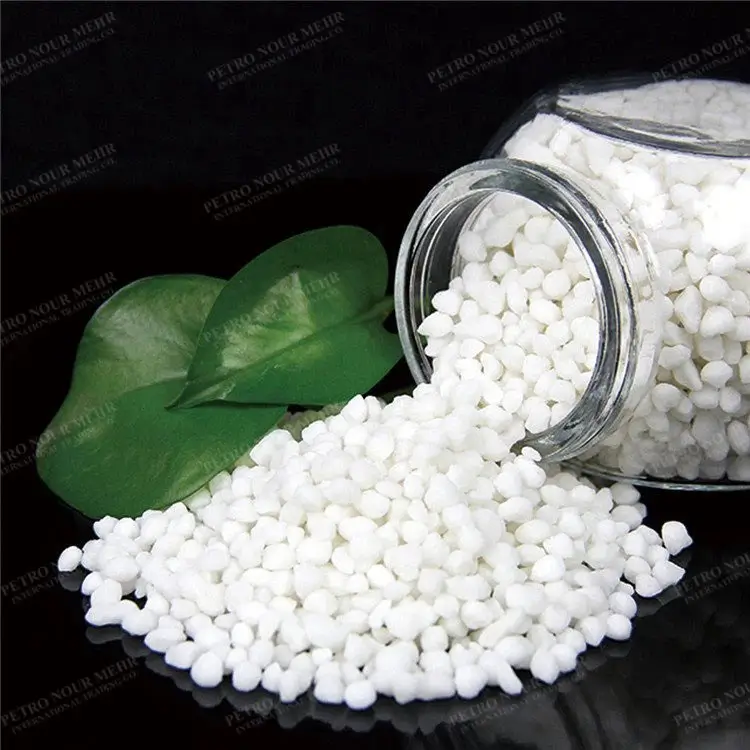
Analysis of Ammonium Sulfate grades
You can find the list of Ammonium Sulfate products in the table below:
To view other chemical products, you can click here.
Aniline Manufacturers in Iran
In the petrochemical industry of Iran, several companies and production units are engaged in the manufacturing of Aniline. One of the prominent companies is:
- Karun Petrochemical Company
This company is among the largest producers of Aniline in Iran and plays a significant role in meeting domestic demand as well as exporting this essential chemical to international markets. Their state-of-the-art production facilities and high-quality standards ensure the availability of reliable and competitively priced Aniline for various industrial applications.
Applications of Aniline
Aniline (Anilin) is a highly versatile chemical compound used in various industries. Some of its primary applications include:
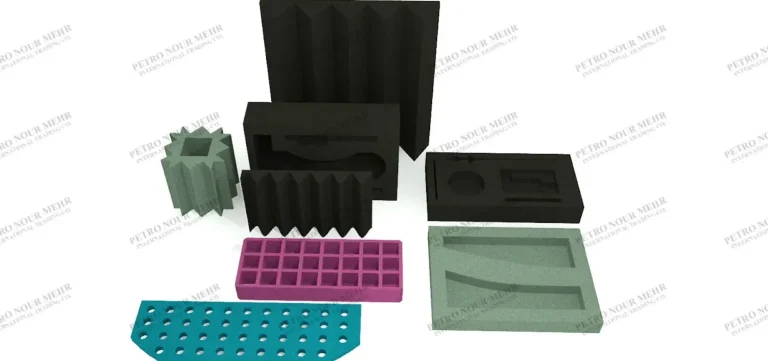
- Polyurethane Production: Methylene diphenyl diisocyanate (MDI), produced from aniline and formaldehyde, is widely used in manufacturing polyurethane polymers.
These polymers serve as intermediate polyurethanes in the production of various products such as rigid and semi-rigid polyurethanes, insulation, thermoplastic resins, casting products, adhesives, and shoe soles. Additionally, MDI serves as a raw material in producing chemicals used in rubber processing, such as antioxidants, stabilizers, accelerators, activators, and other vulcanization additives.
- Agriculture: This material contributes to reducing germination, halting growth, and reducing the size of certain weeds in agriculture. It plays a crucial role in the production of herbicides, with 3-trifluoromethylaniline being one of the key herbicides synthesized from aniline.

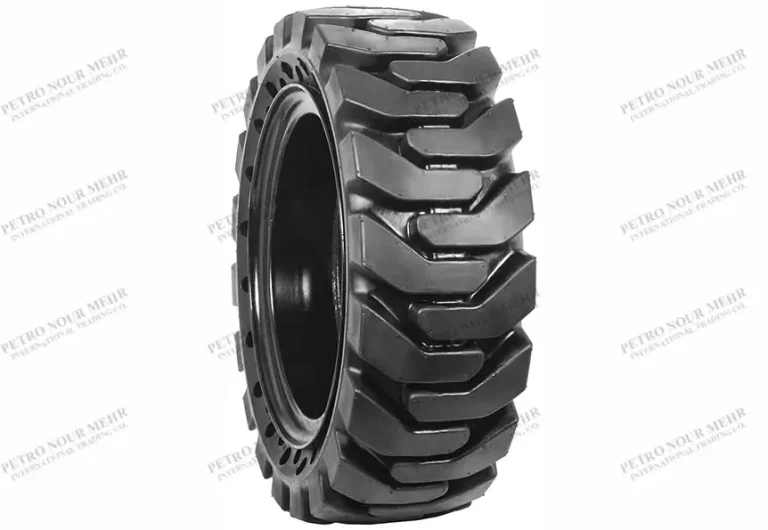
- Plastics Industry: Rubber derivatives produced from aniline are used in manufacturing automotive tires, balloons, and gloves. Compounds like mercapto benzothiazole are known as rubber reinforcing agents. Compounds such as diphenyl guanidine, diphenylamine, aniline ketone, and other similar substances are also used in the rubber production process.
- Pharmaceuticals: It is a fundamental chemical used as a valuable precursor in various industries, including pharmaceuticals. It plays a crucial role in the production processes of many drugs. Some drugs synthesized from aniline include stanylides, paracetamol, and sulfonamide drugs. These drugs are used as pain relievers, anti-inflammatory agents, antibiotics, and antibacterial drugs, playing a vital role in maintaining health and treating many diseases.

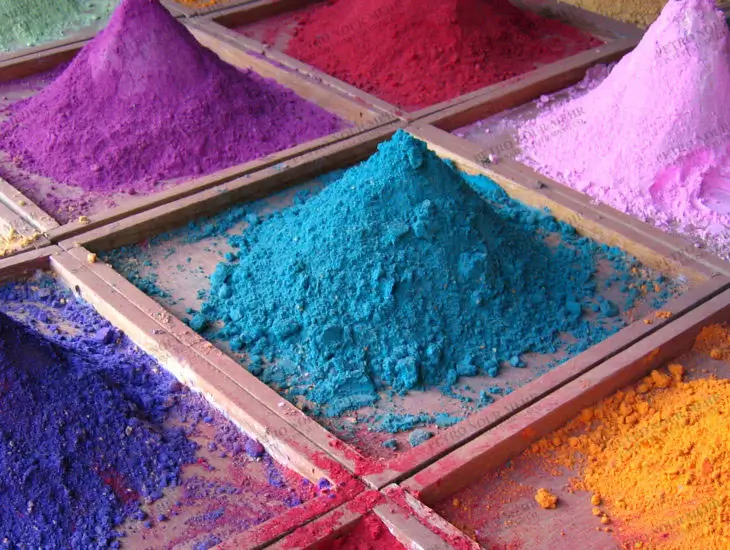
- Textiles: Synthetic dyes can be categorized into Aniline Chemical and chromium-based dyes. Aniline-based dyes are available in green, yellow, brown, and black colors in the industry.
To produce green color, a combination of aniline with potassium chloride is used, while black color is obtained by immersing the fabric in aniline hydrochloride solution and an oxidizing agent. Aniline-based colors are used in dyeing denim fabrics and printing designs on fabrics. Additionally, oxidative polymerization of this material is used to increase the electrical conductivity of threads, a process that occurs without altering the mechanical properties of the threads.
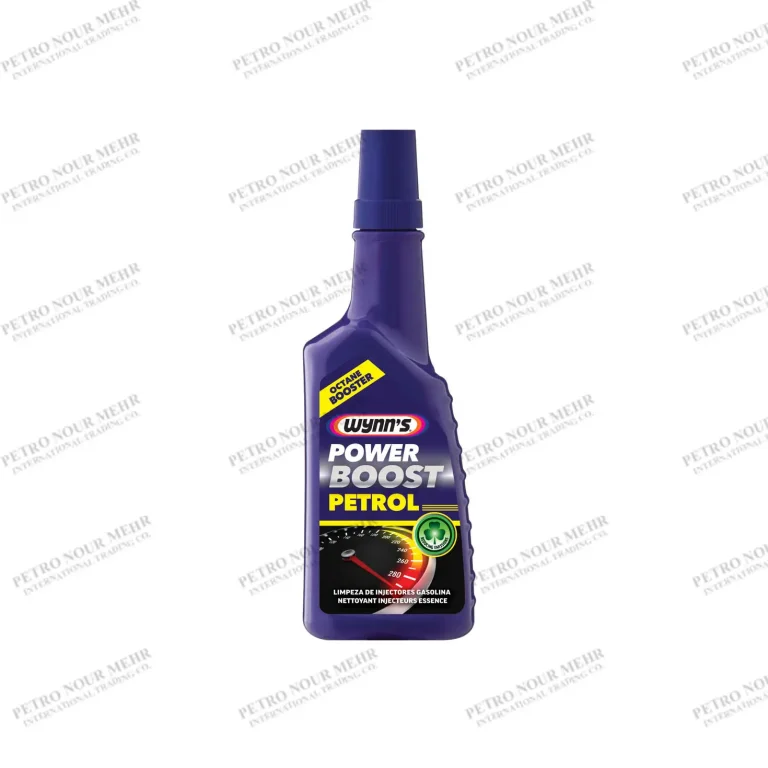
- Gasoline and Fuel Production: N-methylaniline, known as a key and practical derivative in the fuel industry, is used as a powerful octane booster additive in fuels. This compound, an essential part of industrial derivatives, plays an effective role in improving fuel quality.
- Synthesis of Chemical Compounds: Aniline and its derivatives are important precursors used in synthesizing various chemical compounds. These substances are obtained from different reactions. For example, diazonium salt is produced from the reaction between nitrous acid and aniline, which is one of the most widely used compounds in the production of dyes and other chemicals. Additionally, dimethyl aniline and monomethyl aniline are obtained from the reaction of aniline with methyl alcohol.
- Polymer Industry: 4,4′-Methylene diphenyl diisocyanate (MDA), produced from the reaction between aniline and formaldehyde in an acidic medium with an appropriate catalyst, plays a crucial role in the polymer industry.
The PMDA polymer obtained from the polymerization of MDA is used in producing a range of vital compounds, including isocyanates, polyurethanes, expandable sponge fibers, semi-flexible foams, thermoplastic resins, automotive products, foam insulation, and neoprene sheets. These polymers find applications in various industries due to their outstanding technical and practical properties.
On the other hand, cyclohexylamine is produced from the hydrogenation of aniline, while quinone, azobenzene, nitroso benzene, para-aminophenol, and phenazine are obtained from the oxidation of this chemical compound.
Various types of polyurethanes and isocyanates are also produced from aniline. This diversity in reactions and the production of various derivatives highlight the significant importance and wide-ranging applications of aniline and its derivatives in the chemical industries.
Storage Conditions for Ammonium Sulfate
Ammonium Sulfate is a widely used chemical compound in agriculture, industry, and various other sectors. To ensure its proper storage and maintain its effectiveness, the following conditions should be observed:
- Ideal Storage Temperature and Conditions: It is recommended to store Ammonium Sulfate in a dry and cool environment, with a temperature around 25°C. The storage area should be protected from direct sunlight and excessive heat. For best results, use moisture-resistant containers made from durable materials such as plastic or metal.
- Ensure Proper Ventilation: To prevent the accumulation of harmful fumes, the storage room where Ammonium Sulfate is kept should be well-ventilated. Proper airflow is also essential in the areas where the chemical is being used to ensure a safe working environment.
- Prevent Contact with Water and Moisture: As Ammonium Sulfate is highly soluble in water, it must be kept away from moisture and water sources. Direct contact with water could cause the material to form a slurry, which could degrade its quality and efficiency.
- Avoid Contact with Incompatible Chemicals: Ammonium Sulfate should not be stored near substances that could react with it, such as strong acids or alkalis. These interactions could create hazardous situations or compromise the quality of the material.
- Use of Personal Protective Equipment (PPE): While handling or storing Ammonium Sulfate, it is important to wear personal protective equipment, such as gloves, goggles, and protective clothing, to minimize the risk of direct contact with the skin or eyes.
- Importance of Safety Labels and Warnings: All containers and packaging holding Ammonium Sulfate should be clearly labeled with appropriate safety warnings to ensure that workers and handlers are fully informed of the potential risks and necessary precautions.
By adhering to these storage guidelines, the quality and safety of Ammonium Sulfate can be maintained, ensuring its optimal performance in industrial and agricultural applications. If you need further information on Ammonium Sulfate pricing or are looking for the best deals, reliable suppliers can provide up-to-date details on pricing and availability.

Packaging for DEA
Diethanolamine is typically packaged and stored in a variety of containers that are suitable for transportation and application in different industries. The packaging for DEA generally includes:
- Drums: DEA is often packed in standard-sized drums made from materials such as carbon steel, stainless steel, or high-density polyethylene (HDPE). These drums usually hold between 200 to 250 liters and are ideal for bulk storage and transportation.
- Intermediate Bulk Containers (IBCs): Diethanolamine is sometimes stored and transported in IBCs, large containers with a capacity of 1000 liters or more. These IBCs are made from materials like HDPE or composite materials and have a pallet base for easy handling and stability.
- Tanker Trucks: For transporting large quantities, DEA is often moved in tanker trucks or railcars. These specialized vehicles are designed to carry large volumes of liquid chemicals and may feature built-in heating or cooling systems to maintain the proper temperature during transit.
- ISO Tanks: Diethanolamine can also be shipped globally in ISO tanks, which are standardized containers for intermodal transportation by road, rail, or sea. ISO tanks offer a capacity similar to tanker trucks and provide a safe and efficient method of transporting DEA in liquid form.
- Flexitanks: In certain cases, DEA is transported in flexitanks, large, flexible containers made from materials like polyethylene. These flexitanks are designed to fit inside standard shipping containers and can carry up to 24,000 liters of liquid, providing a cost-effective solution for bulk transport.
Regardless of the type of packaging, it is crucial to ensure that containers are properly sealed, labeled, and handled according to safety regulations and guidelines to avoid spills, contamination, or other hazards during storage and transportation. DEA Producers offer a range of packaging options, and DEA Price may vary depending on the chosen packaging type.
Producing Products Using Ammonium Sulfate at Manufacturers
Ammonium Sulfate producers such as The Mosaic Company and Nutrien use Ammonium Sulfate as a key raw material in their production processes. The Mosaic Company specializes in producing Ammonium Sulfate for agricultural applications, including fertilizer production, helping to enhance soil fertility and promote healthy crop growth. Nutrien, one of the largest fertilizer companies globally, also uses Ammonium Sulfate in the production of fertilizers and other agricultural products. Their competitive Ammonium Sulfate price reflects their efficient operations and commitment to meeting both domestic and international demands for this essential compound.
Ammonium Sulfate Characteristics
This material is a white, crystalline solid that is highly soluble in water. It has a relatively high melting point, which makes it stable and suitable for a wide range of agricultural and industrial applications. Ammonium Sulfate is hygroscopic, meaning it can absorb moisture from the air, which could lead to clumping or caking if not stored properly. Its chemical formula is (NH₄)₂SO₄.
This material is an inorganic compound with a rich nitrogen content, making it highly effective as a nitrogen-based fertilizer. With a molecular weight of 132.14 grams per mole (g/mol), Ammonium Sulfate is widely used in agriculture to promote healthy crop growth and improve soil fertility. It plays a vital role in industries such as agriculture, pharmaceuticals, and water treatment, contributing significantly to agricultural productivity, environmental sustainability, and various industrial processes.
Advantages and Disadvantages of Ammonium Sulfate
This material, a widely used chemical compound in agriculture and industry, has both advantages and disadvantages:
Advantages
- Versatility: This material is a highly versatile compound, mainly used as a fertilizer, but also in a range of industrial applications such as chemical manufacturing, water treatment, and pharmaceuticals.
- Nutrient-Rich: This compound provides both nitrogen and sulfur, making it an excellent fertilizer that supports plant growth and enhances crop yields, especially in soils with high alkalinity, where other nitrogen fertilizers may not be as effective.
- Water Treatment: Ammonium Sulfate is frequently used in water treatment processes to remove pollutants, including heavy metals, from wastewater, which improves water quality and protects the environment.
- Soil Improvement: In addition to being a fertilizer, Ammonium Sulfate also helps to lower soil pH, which benefits plant growth by making nutrients more available in alkaline soils.
- Chemical Manufacturing: Ammonium Sulfate is an important component in the production of various chemicals, such as ammonium salts, and is also used in industries like textiles and pharmaceuticals.
Disadvantages
- Corrosive: This material can cause irritation and burns if it comes into contact with skin or eyes. It is essential to handle the material with care and use appropriate safety equipment.
- Environmental Impact: If improperly disposed of or overused, Ammonium Sulfate can contribute to nutrient runoff, which may pollute water sources and damage ecosystems.
- Storage Challenges: Due to its hygroscopic nature, this material absorbs moisture from the air, leading to clumping or caking if not stored in a dry, sealed environment.
- Health Risks: Ingesting or mishandling this material can cause health issues, including gastrointestinal distress. Adequate precautions should be taken to avoid exposure.
- Cost: Although widely used, the price of this material can fluctuate, and large-scale applications may result in high costs for businesses, particularly in agriculture.
In conclusion, while this material offers many advantages, it is essential to handle, store, and use it with care to avoid potential risks. Businesses should also be aware of market conditions to manage its cost effectively.
Physical and Chemical Properties of Ammonium Sulfate
This material has several physical and chemical properties that make it ideal for agricultural and industrial uses. Below are its key properties:
Physical Properties
- Appearance: This material usually appears as a white crystalline solid, either in granular or powdered form. For agricultural use, it is often in granular form for easy application.
- Odor: The compound is odorless, which makes it easy to handle in various applications without the concern of strong chemical smells.
- Melting Point: With a relatively high melting point of around 280°C, Ammonium Sulfate remains stable under normal conditions and can be used in processes requiring heat resistance.
- Solubility: This material is highly soluble in water, which makes it an ideal choice for use in fertilizers and industrial applications that require dissolution. It is not soluble in organic solvents.
- Density: This material has a density of about 1.77 g/cm³, which is useful in its various agricultural and industrial applications.
Chemical Properties
- Reactivity: This material is chemically stable under normal conditions but reacts with strong acids or bases. It dissolves in water, releasing ammonium and sulfate ions, which are essential for plant growth.
- pH Regulation: One of the most important chemical properties of this material is its ability to lower the pH of alkaline soils, which enhances nutrient availability and supports healthy plant growth.
- Solubility: As mentioned, this material dissolves easily in water, forming an alkaline solution that is highly useful in agriculture, water treatment, and chemical manufacturing processes.
- Stability: Ammonium Sulfate remains stable under typical storage conditions but is hygroscopic. It absorbs moisture from the air, so it must be stored in dry conditions to prevent clumping and degradation.
Overall, the physical and chemical properties of Ammonium Sulfate make it indispensable in many industrial and agricultural processes. However, its storage and handling require attention due to its tendency to absorb moisture and its potential for clumping.
Types of Ammonium Sulfate
This materiale is available in various forms, each tailored to specific industrial and agricultural needs. The main types include:
- Granular Ammonium Sulfate :Granular Ammonium Sulfate is commonly used as a fertilizer in agriculture due to its uniform-sized granules, which make it easy to apply and spread across fields.
This form of Ammonium Sulfate is especially beneficial for soil fertilization, with a particular focus on alkaline soils where it helps to lower pH and improve nutrient availability. By providing essential nitrogen and sulfur, it supports healthy plant growth and enhances crop yields. Granular Ammonium Sulfate is widely preferred in large-scale agricultural applications for its efficiency and effectiveness in boosting soil fertility. - Ammonium Sulfate Powder: Ammonium Sulfate powder is a finer form of the compound that dissolves easily in water, making it highly soluble and ideal for use in liquid fertilizer formulations. This form is particularly useful in agricultural spraying systems, where quick absorption is required for faster results.
Additionally, this material powder is utilized in various industrial processes and water treatment applications, helping to improve water quality by removing pollutants and adjusting pH levels. Its high solubility makes it an efficient choice for applications that demand rapid dissolution and effectiveness. - Ammonium Sulfate Fertilizer (Low Biuret): This type of Ammonium Sulfate contains lower levels of biuret, a byproduct that is formed during the production process. The reduction in biuret makes it safer for use on sensitive crops, minimizing the risk of damage.
As a result, it is especially suited for high-value crops, such as vegetables and fruits, where higher biuret levels could potentially harm the plants. This makes it an ideal choice for growers looking to ensure the health and productivity of their delicate crops while providing essential nutrients.
Each type of Ammonium Sulfate has unique properties that make it suitable for specific applications, depending on the requirements of the end-user, whether in agriculture, industry, or water treatment.
Comparison of Ammonium Sulfate with Other Fertilizers
Ammonium sulfate is a chemical fertilizer containing nitrogen and sulfur. This fertilizer is commonly used in agriculture as a source of nitrogen and sulfur for plants. Comparing ammonium sulfate with other chemical fertilizers such as ammonium nitrate, ammonium sulfate, and superphosphate can be useful. For example, ammonium nitrate is also a source of nitrogen, but in addition to nitrogen, it contains ammonium, which can act as a rapid nitrogen source for plants.
On the other hand, ammonium sulfate is another nitrogen source that contains ammonium sulfate and is commonly used as a topdressing fertilizer. Each of these fertilizers has specific characteristics and applications that depend on the needs of the plants and soil conditions in which they are used.
How to buy Ammonium Sulfate?
- Buy from a reputable and authorized supplier that holds necessary certifications and guarantees quality.
- Compare the prices of these materials in different markets and compare them with the global market price.
- Examine the sales conditions regarding quantity, delivery time, packaging, transportation methods, and payment terms.
- If you intend to import Ammonium Sulfate from foreign countries, investigate customs and legal regulations and comply with export and import regulations.
- Contact Petro Nour Mehr Company to obtain the most suitable export price based on your conditions.
- After signing the contract, you can place your order.
- Secure and suitable payment methods according to customer preferences are provided by the company.
- Then, the loading stage is completed by selecting and introducing a transport company.
- Necessary documents for customs clearance at the destination city are also provided to customers by Petro Nour Mehr Company.
- sales@petronourmehr.com
- +98 219-100-7557
For all inquiries, please don’t hesitate to contact our sales department using the form below.