
Polyethylene(PE)
Polyethylene is a versatile, synthetic polymer widely used in the plastics industry. It is produced through the polymerization of ethylene and exists in various forms, including low-density (LDPE), linear low-density (LLDPE), and high-density (HDPE) polyethylene. PE is known for its excellent chemical resistance, durability, and flexibility, making it ideal for applications ranging from packaging films to piping systems. It is lightweight, easy to process, and recyclable, contributing to its popularity in manufacturing. Its widespread use spans industries such as consumer goods, construction, automotive, and healthcare.
Exporting polyethylene to various countries with the best price has been one of the achievements of Petro Nour Mehr Company in recent years.
For more accurate information regarding prices or purchasing the product, it is better to contact the sales department of Petro Nour Mehr Company.
Types of Polyethylene
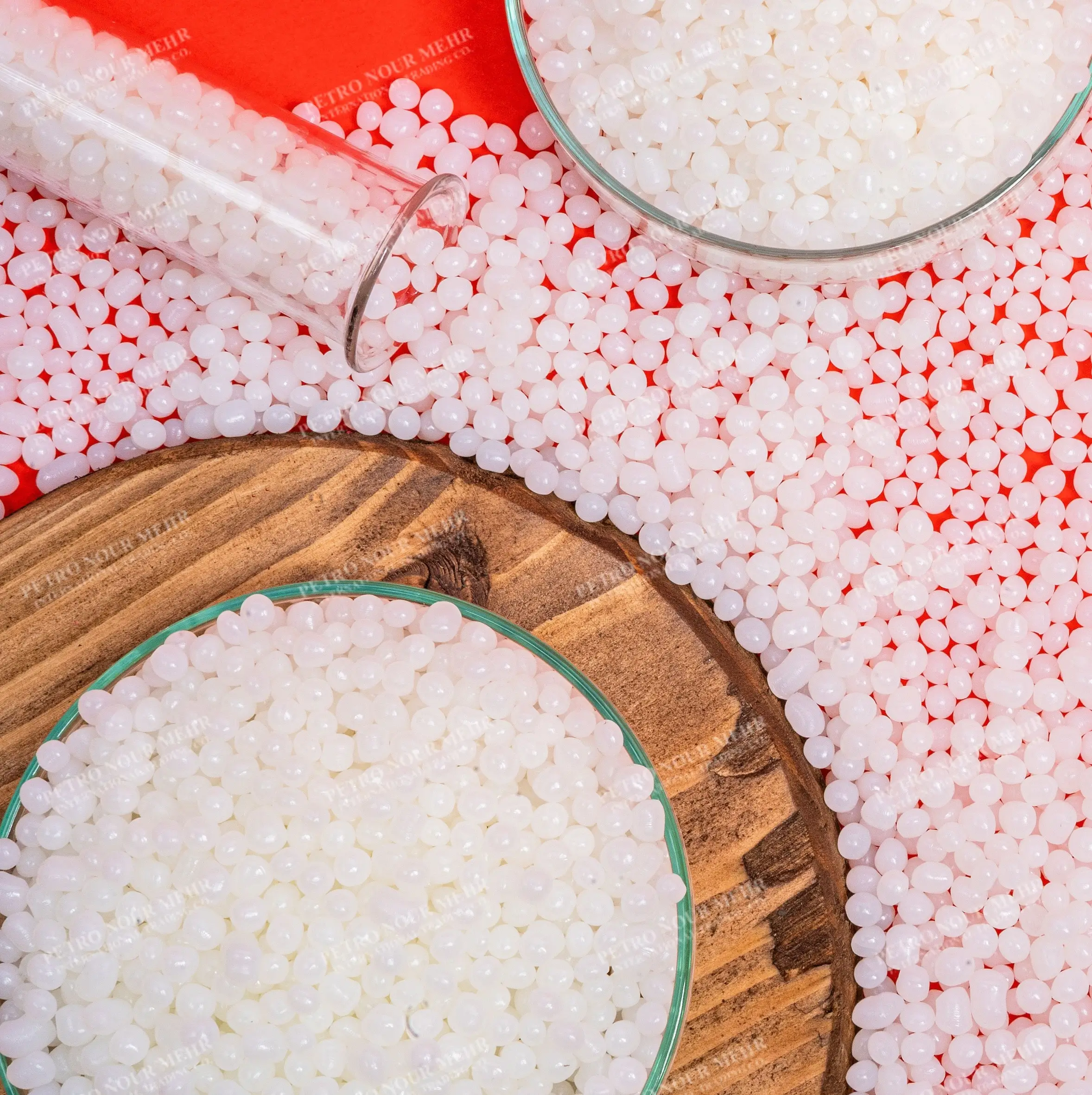
HDPE
HDPE is highly valued for its tenacity and rigidity for blow molding processes and extrusion.
View HDPE
LDPE
One form of polyethylene that is widely utilized in many different industries is low-density polyethylene (LDPE).
View LDPE
LLDPE
LLDPE is commonly used in the production of packaging films and plastic bags and utilized in many different industries..
View LLDPEPolyethylene Manufacturers in Iran
In the petrochemical industry of Iran, several companies and production units are engaged in the production of PE. These companies include:
- Shazand Arak Petrochemical Company
- Marun Petrochemical Company
- Amirkabir Petrochemical Company
- Aryasasol Petrochemical Company
- Jam Petrochemical Company
- Tabriz Petrochemical Company
These units are among the largest polyethylene producers in Iran and play a significant role in supplying domestic needs and exporting this material to global markets.
Applications of Polystyrene
Polyethylene is one of the most widely used polymers in various industries. This polymer is used in many industries due to its unique properties, including flexibility, impact resistance, electrical insulation, and recycling. Some of the uses of polyethylene are mentioned below:
- PIPE: Polyethylene pipes, especially HDPE, are valued for their lightweight, flexibility, and resistance to corrosion and chemicals. Ideal for water supply, gas distribution, sewage, and industrial use, they offer a long service life, easy installation, and leak-free joints. Their durability and environmental benefits make them a popular choice in modern infrastructure.
- Packaging: Polyethylene is extensively used in the packaging industry due to its flexibility, strength, and chemical resistance. It is used for making plastic bags, containers, bottles, and films. HDPE is often used for rigid containers, while LDPE and LLDPE are used for flexible films and bags.
- Consumer Goods: Polyethylene is used in the production of various consumer goods such as toys, household containers, and kitchenware. Its nontoxicity and durability make it ideal for these applications.
- Construction: In the construction industry, polyethylene is used for piping systems due to its excellent chemical resistance, flexibility, and durability. HDPE pipes are commonly used for water supply, sewage systems, and gas distribution.
- Agriculture: Polyethylene is used in agriculture for making greenhouse films, mulch films, and irrigation pipes. These applications benefit from the material’s durability, resistance to UV radiation, and ability to withstand varying weather conditions.
- Automotive: In the automotive industry, polyethylene is used for producing fuel tanks, car bumpers, and other components due to its impact resistance and lightweight nature. This helps in improving fuel efficiency and reducing emissions.
- Electrical and Electronics: This material is used as an insulating material in cables and wires due to its excellent electrical insulating properties. It is also used in the production of various electronic device housings.
- Medical: In the medical field, PE is used for manufacturing medical containers, prosthetics, and medical tubing. Its biocompatibility and ease of sterilization make it suitable for these applications.
- Textiles: PE fibers are used in the textile industry to produce durable fabrics. These fibers are used in items like outdoor clothing, tarpaulins, and geomembranes due to their resistance to moisture and chemicals.
- Recycling: polyethylene is also widely recycled, which contributes to the production of new PE products. Recycling helps reduce environmental impact and conserve resources.
In general, polyethylene, as one of the basic polymers, is used in many different industries of the world and plays a very important role in the global economy.
Storage Conditions for Polyethylene
Polyethylene is a common plastic used in a variety of applications, including packaging, containers, and more. Proper storage conditions are essential to maintain its properties and ensure its longevity. Here are some guidelines for storing polyethylene:
- Temperature: Store PE in a cool, dry place. Avoid exposure to extreme temperatures (both high and low). Optimal storage temperature is typically between 15-25°C (59-77°F).
- Humidity: Keep PE away from moisture. High humidity can affect the material’s properties over time. Store it in an environment with low humidity.
- Light: Avoid prolonged exposure to direct sunlight or UV light, as it can cause degradation and discoloration. Store PE in a dark or covered area.
- Packaging: Keep PE in its original packaging if possible, or use airtight and moisture-proof containers.
- Cleanliness: Store PE in a clean environment, free from dust, dirt, and other contaminants.
- Avoid Mechanical Stress: Handle PE with care to avoid scratches, cuts, or other mechanical damage.
- Chemical Exposure: Keep PE away from chemicals, solvents, and other materials that could cause degradation.
By following these storage guidelines, you can ensure that your polyethylene remains in good condition for its intended use.
Packaging for Polyethylene
For packaging and exporting polyethylene granules, various methods can be utilized depending on environmental conditions, product needs, and facilitating transportation for export. Below are some common methods for packaging and exporting these polymer granules:
- Packaging in Jumbo Bags: This is a common method for packaging PE granules, where the granules are packed into large bags with varying capacities. These bags not only protect the product from contamination and moisture but are also suitable for road, sea, and air transport.
- Packaging in Small Bags: In this method, the polymer granules are packed into smaller bags with a capacity of around 25 kilograms.
- Using Pallets: These polyethylene granules are usually packed on large pallets. This method is used for transportation.
Attention to international packaging standards, labeling, and transportation conditions can influence the choice of appropriate packaging and exporting methods for polyethylene granules. Additionally, it is important to emphasize protecting the product from shocks, moisture, and environmental damage during transportation.
Advantages and Disadvantages of Polyethylene
Advantages of Polyethylene
- Versatility: Polyethylene (PE) can be easily molded into various shapes and forms, making it suitable for a wide range of applications, from packaging materials to automotive parts.
- Durability: PE is resistant to impact and does not easily crack or break, making it ideal for products that require durability.
- Chemical Resistance: It is resistant to many chemicals, solvents, and acids, which makes it suitable for containers and pipes that will hold or transport such substances.
- Moisture Resistance: Polyethylene is highly resistant to moisture, making it an excellent material for packaging and protective coverings.
- Lightweight: It is lighter than many other materials, which reduces transportation costs and makes it easier to handle in various applications.
- Cost-Effective: Polyethylene is relatively inexpensive to produce and process, which makes it a cost-effective material for many industries.
- Recyclable: Many types of PE can be recycled, reducing environmental impact and supporting sustainable practices.
Disadvantages of Polyethylene
- Environmental Impact: Although recyclable, PE contributes significantly to plastic pollution if not properly managed and disposed of. It takes a long time to degrade in the environment.
- Flammability: Polyethylene is flammable and can pose fire hazards under certain conditions.
- Low Temperature Tolerance: PE can become brittle at low temperatures, limiting its use in very cold environments.
- UV Sensitivity: Without additives, polyethylene can degrade when exposed to UV light over time, leading to a loss of mechanical properties.
- Limited Mechanical Strength: Compared to some other materials, PE may not have the required strength and stiffness for certain high-stress applications.
- Gas Permeability: Polyethylene is not suitable for applications requiring airtight or gas-tight barriers, as it is somewhat permeable to gases.
- Difficult to Bond: PE has a low surface energy, making it difficult to bond with adhesives or other materials without surface treatment.
Overall, polyethylene is versatile, durable, cost-effective, and resistant to chemicals and moisture, but it has environmental concerns, low temperature tolerance, and limited mechanical strength. Despite its recycleability, improper disposal leads to significant pollution issues.
Physical and Chemical Properties of Polyethylene
Physical Properties
- Density: Polyethylene comes in different densities:
Low-Density Polyethylene (LDPE): 0.91 – 0.94 g/cm³
High-Density Polyethylene (HDPE): 0.94 – 0.97 g/cm³
- Melting Point: PE comes in different melting points:
LDPE: 105 – 115°C
HDPE: 130 – 137°C
- Tensile Strength: PE comes in different tensile strengths:
LDPE: 8 – 12 MPa
– HDPE: 20 – 37 MPa
- Impact Resistance: Polyethylene has excellent impact resistance, particularly LDPE.
- Flexibility: LDPE is more flexible compared to HDPE, which is stiffer and more rigid.
- Transparency: LDPE is more transparent, while HDPE is more opaque.
- Water Absorption: Polyethylene has very low water absorption, making it highly moisture-resistant.
Chemical Properties
- Chemical Resistance: Polyethylene is highly resistant to most chemicals, including acids, bases, and organic solvents.
- Thermal Stability: This polymer is stable at moderate temperatures but can degrade at high temperatures, especially in the presence of oxygen (oxidative degradation).
- Combustibility: Polyethylene is combustible and burns with a blue flame and a yellow tip, producing water and carbon dioxide.
- UV Sensitivity: PE can degrade upon prolonged exposure to ultraviolet (UV) radiation, leading to embrittlement and loss of mechanical properties unless stabilized with additives.
- Electrical Insulation: This polymer is an excellent electrical insulation, making it suitable for cable and wire coatings.
- Chemical Structure: Polyethylene is a polymer made up of long chains of the monomer ethylene (C2H2). The polymer chains can be linear (HDPE) or branched (LDPE), affecting the material’s density and properties.
- Reactivity: Polyethylene is generally inert and does not react with most chemicals. However, it can undergo oxidation at high temperatures or in the presence of UV light without stabilizers.
These properties make polyethylene a versatile material used in a wide range of applications, from packaging to automotive parts and beyond.
Types of polyethylene grades:
Polyethylene is categorized into various grades based on its density and molecular structure. Each grade has unique properties and applications. Here are the main types of polyethylene grades:
- Low-Density Polyethylene (LDPE): LDPE is a highly flexible and transparent plastic with excellent impact resistance and chemical resistance. It has a low density and melting point, making it suitable for applications like plastic bags, films, and containers. Despite its versatility, LDPE is less rigid and has lower tensile strength compared to other types of polyethylene, and it can degrade under UV exposure if not stabilized.
- Linear Low-Density Polyethylene (LLDPE): LLDPE is a versatile polymer with improved tensile strength and puncture resistance compared to LDPE, due to its linear molecular structure with short branches. It maintains flexibility and impact resistance, making it ideal for stretch films, plastic bags, and protective packaging. LLDPE offers better mechanical properties and resistance to environmental stress cracking, though it can be less transparent than LDPE.
- High-Density Polyethylene (HDPE): HDPE is a rigid, opaque plastic known for its high strength, durability, and chemical resistance. Its dense molecular structure makes it suitable for demanding applications like pipes, containers, and industrial products. While less flexible than LDPE and LLDPE, HDPE offers superior tensile strength and impact resistance.
Each of these polyethylene grades is tailored to specific applications, leveraging their unique physical and chemical properties to meet the demands of different industries.
How to buy polyethylene?
- Buy from a reputable and authorized supplier that holds necessary certifications and guarantees quality.
- Compare the prices of these materials in different markets and compare them with the global market price.
- Examine the sales conditions regarding quantity, delivery time, packaging, transportation methods, and payment terms.
- If you intend to import polystyrene from foreign countries, investigate customs and legal regulations and comply with export and import regulations.
- Contact Petro Nour Mehr Company to obtain the most suitable export price based on your conditions.
- After signing the contract, you can place your order.
- Secure and suitable payment methods according to customer preferences are provided by the company.
- Then, the loading stage is completed by selecting and introducing a transport company.
- Necessary documents for customs clearance at the destination city are also provided to customers by Petro Nour Mehr Company.
- sales@petronourmehr.com
- +98 219-100-7557
For all inquiries, please don’t hesitate to contact our sales department using the form below.