
Diethanolamine (DEA)
Diethanolamine (DEA) is a versatile substance with many uses across various industries. It’s commonly found in cleaning products like shampoos and soaps because it helps create good foam and stabilize the mixture. DEA is also used in making other chemicals like corrosion inhibitors, herbicides, and lubricants.
One interesting use of DEA is in gas treatment, where it helps remove carbon dioxide and hydrogen sulfide from natural gas, making it essential in many industrial processes. While both Diethanolamine and MEA share similar industrial applications, Diethanolamine typically has a higher molecular weight, making it more effective in certain applications, such as gas treatment and emulsification.
One of the key achievements of Petro Nour Mehr Company in recent years has been exporting DEA to various countries at competitive prices.
For more accurate information regarding Diethanolamine Price or DEA Price, it is better to contact the sales department of Petro Nour Mehr Company. Additionally, if you are looking for reliable DEA Producers, Petro Nour Mehr Company is recognized as a trusted source for high-quality products.
Analysis of DEA grades
You can find the list of DEA products in the table below:
To view other chemical products, you can click here.
DEA Manufacturers in Iran
In the petrochemical industry of Iran, several companies and production units are engaged in the production of DEA. These companies include:
- Shazand Arak Petrochemical Company
These units are among the largest DEA producers in Iran and play a significant role in supplying domestic needs and exporting this material to global markets.
Applications of DEA
Diethanolamine finds application across several industries due to its versatile properties. Some of the common applications of DEA include:
- Shampoos, Soaps, and Detergents: DEA is used in cleaning and hair care products as a surfactant and emulsifier to combine oil and water components. This makes Diethanolamine an essential ingredient in many personal care products.

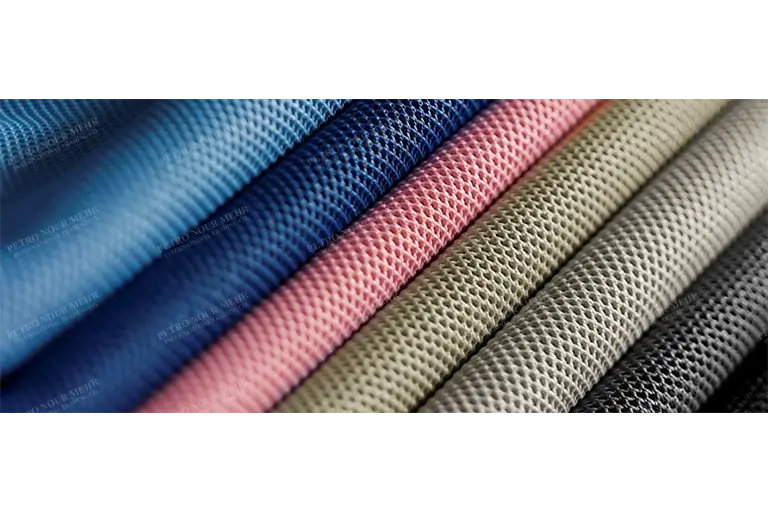
- Textile Processing: This material is used in textile processing as a wetting agent, dispersant, and dyeing assistant. It helps improve the penetration of dyes and chemicals into fibers, enhances color uniformity, and aids in the even distribution of finishes and coatings on textiles.
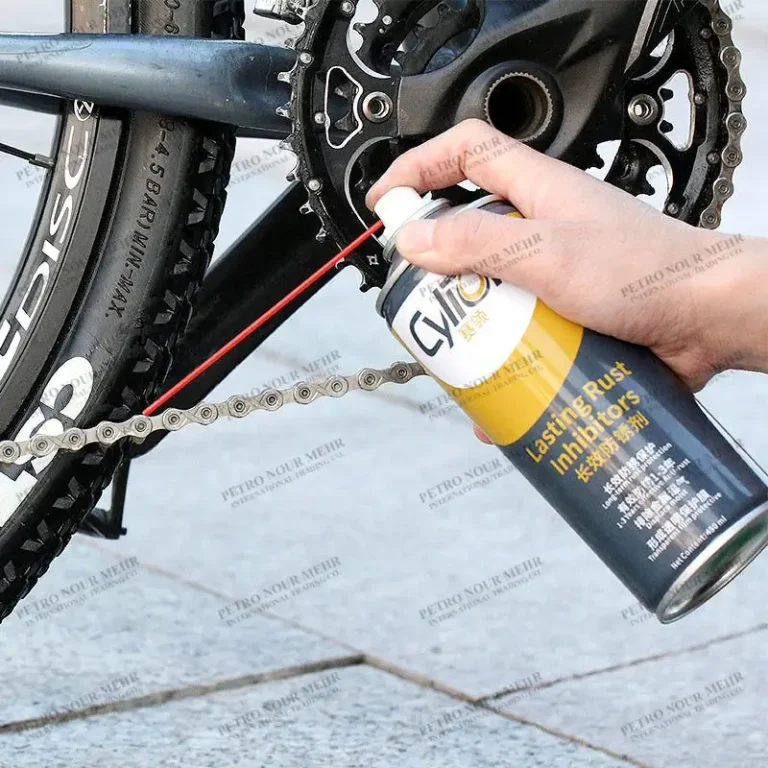
- Metalworking Fluids: It is added to metalworking fluids such as cutting fluids and rust inhibitors to improve lubrication and corrosion resistance. This helps improve the efficiency and lifespan of machinery.
- Personal Care Products: Diethanolamine acts as a thickener and pH adjuster in lotions and creams, improving texture and matching the pH to the skin or hair, making it a key component in the industry.

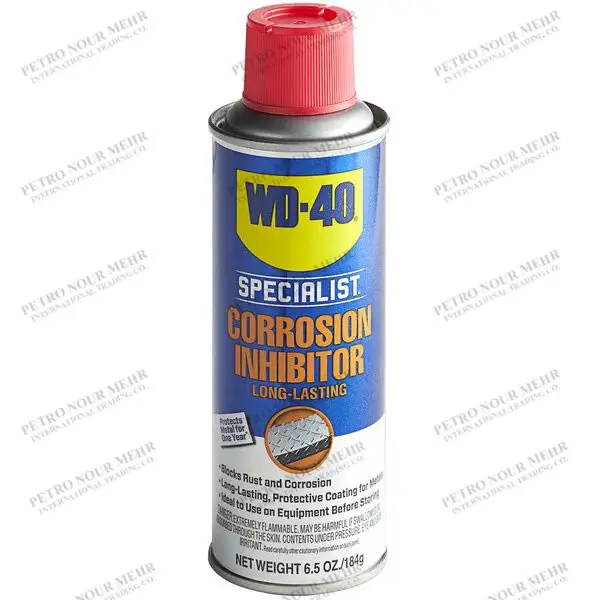
- Corrosion Inhibitors: DEA is employed as a corrosion inhibitor in cooling water systems and boiler water treatment to prevent corrosion, which is critical for maintaining equipment and reducing maintenance costs.
- Agrochemicals: DEA is used in the production of herbicides and pesticides to improve the dispersion and performance of active ingredients, which is essential for effective crop protection.
- Adhesives and Sealants: Diethanolamine is used in adhesives and sealants to enhance adhesion, flexibility, and moisture resistance, making it an important ingredient in various industrial applications.
This substance, with its unique properties, has a wide range of applications across various industries. From personal care to metalworking and agriculture, Diethanolamine is an essential component in many formulations and industrial processes.
Storage Conditions for DEA
To maintain the quality and effectiveness of Diethanolamine (DEA), it should be stored under appropriate conditions. The recommended storage conditions for this substance include the following:
- Temperature: DEA should be stored in a dry and cool environment. The ideal temperature for storage is below 25°C to prevent degradation and minimize evaporation risks.
- Avoid Direct Sunlight and Heat Sources: This substance should be kept away from direct sunlight and heat sources. Ultraviolet radiation can alter the chemical and physical characteristics of Diethanolamine, leading to its degradation.
- Avoid Contact with Chemicals: DEA reacts with acids, solvents, and other chemicals, so direct contact with such substances should be avoided.
- Protection from Physical Damage: During storage and transportation, ensure that DEA is protected from scratches and impacts, as physical damage can cause changes in its structure and chemical properties.
- Packaging: The packaging for Diethanolamine should be made of suitable materials to protect it from environmental changes and to reduce the penetration of moisture and air into the packaging.
- Labeling: Containers should be clearly labeled with safety information, product details, and handling instructions to avoid confusion and ensure safe storage.
- Safety Precautions: When handling DEA, safety measures should be followed by using personal protective equipment (PPE) such as gloves, goggles, and protective clothing.
By following these storage conditions, DEA can be preserved effectively, maintaining its quality and integrity for its intended applications.

Packaging for DEA
Diethanolamine is typically packaged and stored in a variety of containers that are suitable for transportation and application in different industries. The packaging for DEA generally includes:
- Drums: DEA is often packed in standard-sized drums made from materials such as carbon steel, stainless steel, or high-density polyethylene (HDPE). These drums usually hold between 200 to 250 liters and are ideal for bulk storage and transportation.
- Intermediate Bulk Containers (IBCs): Diethanolamine is sometimes stored and transported in IBCs, large containers with a capacity of 1000 liters or more. These IBCs are made from materials like HDPE or composite materials and have a pallet base for easy handling and stability.
- Tanker Trucks: For transporting large quantities, DEA is often moved in tanker trucks or railcars. These specialized vehicles are designed to carry large volumes of liquid chemicals and may feature built-in heating or cooling systems to maintain the proper temperature during transit.
- ISO Tanks: Diethanolamine can also be shipped globally in ISO tanks, which are standardized containers for intermodal transportation by road, rail, or sea. ISO tanks offer a capacity similar to tanker trucks and provide a safe and efficient method of transporting DEA in liquid form.
- Flexitanks: In certain cases, DEA is transported in flexitanks, large, flexible containers made from materials like polyethylene. These flexitanks are designed to fit inside standard shipping containers and can carry up to 24,000 liters of liquid, providing a cost-effective solution for bulk transport.
Regardless of the type of packaging, it is crucial to ensure that containers are properly sealed, labeled, and handled according to safety regulations and guidelines to avoid spills, contamination, or other hazards during storage and transportation. DEA Producers offer a range of packaging options, and DEA Price may vary depending on the chosen packaging type.
Producing Products Using DEA at Manufacturers
There are many DEA producers worldwide that utilize Diethanolamine (DEA) as a vital raw material in their production processes, including companies like Dow Inc. , a leading chemical manufacturer that produces DEA for use in detergents, urethane foams, cement grinding aids, and various amine compounds, and BASF Corporation, manufactures DEA for a wide range of industrial applications, including corrosion inhibitors and chemical intermediates. The competitive DEA price offered by these producers reflects their operational efficiency, technological innovation, and ability to meet both domestic and global market demands.
DEA Characteristics
Diethanolamine is a colorless and viscous liquid or a white solid crystal with the chemical formula C4H11NO2, functioning as both a secondary amine and a diol. this material has a faint odor similar to rotten fish or ammonia. It is highly soluble in water and ethanol, and slightly soluble in ether and benzene. this material, like all ethanolamines, is exclusively produced by the reaction of ethylene oxide with excess ammonia. DEA is a hydrophilic liquid used as a surfactant and a corrosion inhibitor, and for removing hydrogen sulfide from natural gas.
This substance is widely utilized to prepare diethanolamides and salts of diethanolamine with long-chain fatty acids. Additionally, it is extensively used in textile processing, industrial gas purification to remove acidic gases, as a corrosion inhibitor in metalworking fluids, and in the preparation of agricultural chemicals. This organic substance has a molecular weight of 387.59 gr/mol.
Advantages and Disadvantages of DEA
Below are the advantages and disadvantages of this material:
Advantages
- Versatile Surfactant: This material is widely used as a surfactant, aiding in the formation of emulsions and improving the spreadability of liquids. This makes it valuable in cleaning products, shampoos, and cosmetics produced by DEA Producers.
- Corrosion Inhibition: This material acts as an effective corrosion inhibitor, which is beneficial in metalworking fluids and other industrial applications to prevent rust and degradation of metal surfaces.
- Gas Treatment: This material is used in the removal of acidic gases like hydrogen sulfide and carbon dioxide from natural gas and refinery gas streams, improving the quality and safety of these gases.
- Textile Processing: In the textile industry, DEA is employed to enhance the softness and processability of fabrics, contributing to higher quality textile products.
- Chemical Intermediary: Diethanolamine serves as an intermediate in the synthesis of various chemical compounds, including diethanolamides, which are used in a wide range of applications from personal care products to industrial cleaning agents.
Disadvantages
- Health Hazards: This material can be harmful if inhaled, ingested, or absorbed through the skin. It is known to cause irritation to the skin, eyes, and respiratory system. Prolonged exposure can lead to more serious health issues such as liver and kidney damage.
- Toxicity: This chemical product has been identified as a potential carcinogen. Studies have shown that long-term exposure to this material and its derivatives can increase the risk of cancer in laboratory animals, raising concerns about its safety in consumer products.
- Environmental Impact: It is not readily biodegradable and can pose environmental risks if released into waterways. It can be toxic to aquatic life, leading to potential environmental contamination and ecological disruption.
- Regulatory Restrictions: Due to its health and environmental risks, the use of this material is subject to regulatory restrictions and guidelines. this material Producers must comply with safety regulations, which can increase production costs and limit its usage in certain applications.
- Reactivity: Diethanolamine can react with certain chemicals, forming potentially harmful by-products. For instance, it can react with nitrosating agents to form N-nitrosodiethanolamine (NDELA), a known carcinogen. This requires careful handling and formulation to avoid hazardous reactions.
This material is a versatile chemical with several industrial and commercial applications due to its properties as a surfactant, corrosion inhibitor, and chemical intermediary. However, its use is tempered by significant health, safety, and environmental concerns, requiring careful handling and adherence to regulatory standards.
Physical and Chemical Properties of DEA
Diethanolamine is a compound used in various industrial applications, including as a surfactant, emulsifier, and in the production of detergents, textiles, and personal care products. Here are some of its physical and chemical properties:
Physical Properties
- Appearance: It is typically a clear, colorless to pale yellow liquid.
- Solubility: This material is soluble in water and many organic solvents.
- pH: In water, DEA typically exhibits a slightly alkaline pH.
- Density: This material has a density of approximately 1.02 g/cm³ at 20°C.
- Boiling Point: The boiling point of DEA is around 270°C.
- Melting Point: This material has a melting point of around 27°C.
- Viscosity: It is a viscous liquid at room temperature, contributing to its effectiveness as a surfactant.
- Vapor Pressure: This material has a low vapor pressure, making it stable at room temperature.
Chemical Properties
- Amphiphilic Nature: This material possesses both hydrophilic (water-attracting) and lipophilic (fat-attracting) properties, making it useful as an emulsifier and surfactant.
- Amine Group: This material contains two hydroxyl groups and one amino group, which can undergo various chemical reactions, such as amidation, esterification, and alkylation.
- Reactivity: This material can react with acids to form salts and with alkyl halides to form alkylated amines.
- Basicity: This chemical product is a weak base and can undergo protonation to form diethanolammonium salts.
- Hydrolysis: Under certain conditions, DEA can undergo hydrolysis to produce ethanolamine and other products.
It’s important to handle DEA with care as it can be corrosive and may cause irritation upon contact with skin or eyes. Additionally, its use and disposal should adhere to safety and environmental regulations.
Types of DEA Grades
Diethanolamine is available in different grades depending on its purity and intended application. Some common types of this material grades include:
- Technical Grade: This grade is commonly used in industrial applications where high purity is not critical. It may contain impurities and is typically used in applications such as metalworking fluids, corrosion inhibitors, and agricultural chemicals.
- Cosmetic Grade: This chemical product used in cosmetics and personal care products must meet stringent purity requirements to ensure safety for use on the skin and hair. Cosmetic grade DEA undergoes additional purification steps to remove impurities and contaminants.
- Pharmaceutical Grade: DEA used in pharmaceutical products must meet even higher purity standards compared to cosmetic grade this material. It undergoes extensive purification and testing to ensure compliance with pharmaceutical regulations and standards for use in pharmaceutical formulations.
- Food Grade: DEA intended for use in food products must meet strict regulations set by food safety authorities. It undergoes thorough purification to ensure it is free from contaminants and safe for use in food applications, such as in food additives and processing aids.
- Industrial Grade: This grade of DEA is used in various industrial applications where specific purity requirements need to be met but are not as stringent as those for pharmaceutical or cosmetic grades. It finds applications in products like detergents, cleaners, and chemical intermediates.
The specifications and quality standards of each DEA grade are tailored to meet the requirements of its intended application and industry regulations. As a result, the DEA Price may differ depending on the grade.
Comparison between DEA and MEA
Diethanolamine and Monoethanolamine (MEA) are both used in industrial applications, but they differ in chemical structure and uses. DEA is a secondary amine with two ethanolamine groups, used in gas treatment, surfactants, and corrosion inhibitors, while MEA is a primary amine, commonly used in CO2 removal, detergents, and chemical synthesis. DEA is typically less expensive and more widely used, while MEA is more specialized, with higher purity for pharmaceuticals and personal care products. Both require careful handling due to their toxicity and reactivity.
How to buy DEA?
- Buy from a reputable and authorized supplier that holds necessary certifications and guarantees quality.
- Compare the prices of these materials in different markets and compare them with the global market price.
- Examine the sales conditions regarding quantity, delivery time, packaging, transportation methods, and payment terms.
- If you intend to import DEA from foreign countries, investigate customs and legal regulations and comply with export and import regulations.
- Contact Petro Nour Mehr Company to obtain the most suitable export price based on your conditions.
- After signing the contract, you can place your order.
- Secure and suitable payment methods according to customer preferences are provided by the company.
- Then, the loading stage is completed by selecting and introducing a transport company.
- Necessary documents for customs clearance at the destination city are also provided to customers by Petro Nour Mehr Company.
- sales@petronourmehr.com
- +98 219-100-7557
For all inquiries, please don’t hesitate to contact our sales department using the form below.