
Monoethanolamine (MEA)
Monoethanolamine (MEA) is a widely used chemical with applications across multiple industries. It is commonly found in personal care products like shampoos and liquid soaps due to its ability to adjust pH and enhance cleansing properties. MEA also plays a crucial role in the production of other chemicals, including surfactants, emulsifiers, and corrosion inhibitors.
One of the most significant uses of this material is in gas treatment, where it is utilized to remove carbon dioxide and hydrogen sulfide from natural gas and refinery streams. Due to its lower molecular weight compared to DEA, MEA is particularly effective in applications requiring high reactivity and strong absorption capacity, making it a preferred choice in gas scrubbing and chemical synthesis.
In recent years, one of the major achievements of Petro Nour Mehr Company has been the successful export of MEA to various international markets at competitive prices.
For more precise details regarding MEA price, it is recommended to contact the sales department of Petro Nour Mehr Company. Additionally, if you are searching for reliable MEA producers, Petro Nour Mehr Company is recognized as a trusted supplier of high-quality MEA products.
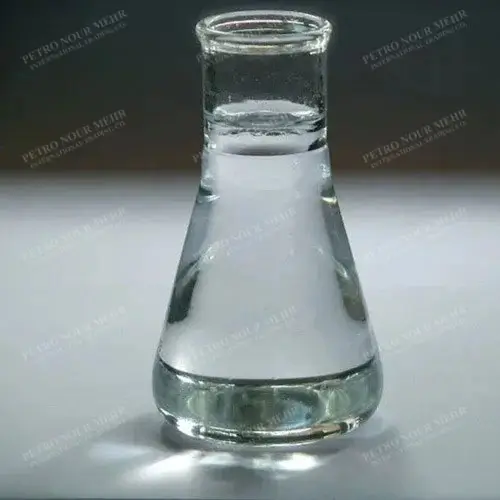
Analysis of MEA grades
You can find the list of MEA products in the table below:
To view other chemical products, you can click here.
MEA Manufacturers in Iran
In the petrochemical industry of Iran, several companies and production units are engaged in the production of Monoethanolamine. These companies include:
- Shazand Arak Petrochemical Company
These units are among the largest MEA producers in Iran and play a significant role in supplying domestic needs and exporting this material to global markets.
Applications of MEA
This chemical substance, finds numerous applications across various industries due to its versatile properties. Some of the key applications of this material include:
- Gas Treating: This material is commonly used in gas treating processes to remove acidic gases such as carbon dioxide (CO₂) and hydrogen sulfide (H₂S) from natural gas, refinery gases, and other industrial gas streams. It reacts with acidic gases to form stable salts, which can be regenerated for reuse.
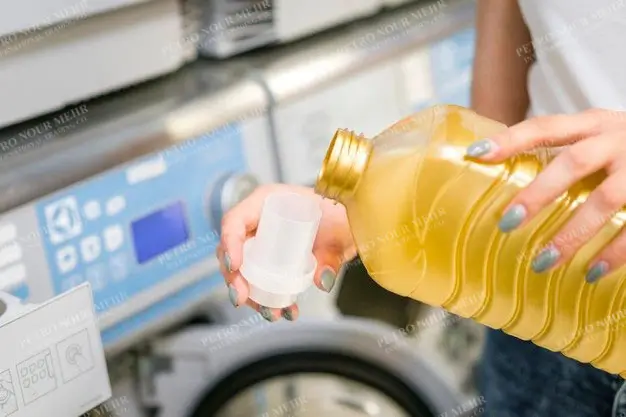
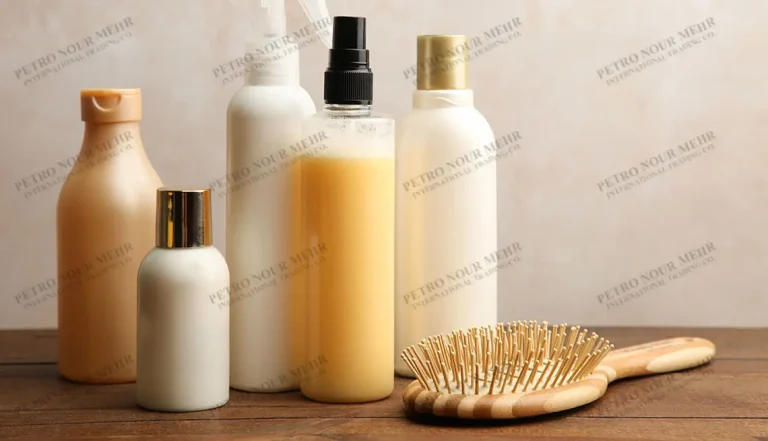
- Shampoos, Soaps, and Detergents: This material is used in cleaning and hair care products as a surfactant and emulsifier to combine oil and water components. This makes Diethanolamine an essential ingredient in many personal care products.
- Chemical Intermediates: This chemical substance serves as a chemical intermediate in the synthesis of various compounds. It is used in the production of ethyleneamines, which are important building blocks for the manufacture of adhesives, coatings, lubricants, and corrosion inhibitors.

- Textile Processing: Monoethanolamine is employed in textile processing as a swelling agent and as a catalyst in certain dyeing processes. It aids in the absorption and fixation of dyes onto textile fibers, improving color fastness and dye penetration.

- Pharmaceuticals: This material is used in the pharmaceutical industry as a precursor for the synthesis of certain drugs and pharmaceutical intermediates. It may also be included in formulations as an excipient or as a pH adjuster in certain drug formulations.
- Metalworking Fluids: This material can be incorporated into metalworking fluids as a corrosion inhibitor to protect metal surfaces from corrosion and degradation during machining, cutting, and grinding operations.
- Cosmetics and Personal Care: This chemical substance is utilized in the formulation of cosmetics and personal care products such as creams, lotions, and hair care products. It helps to adjust pH, stabilize formulations, and improve product texture and consistency.
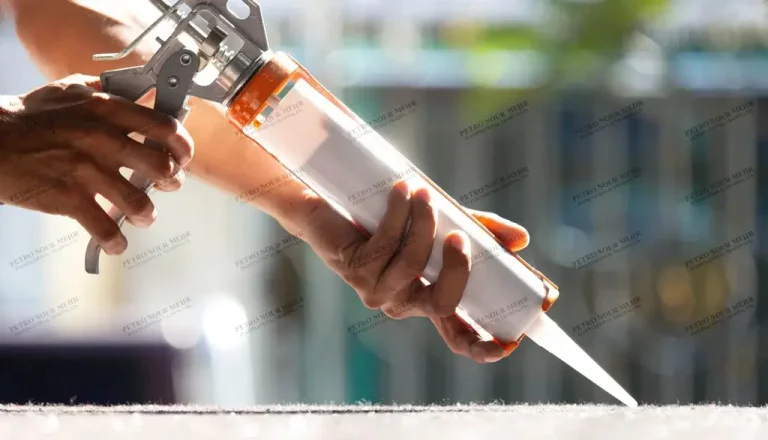
- Adhesives and Sealants: Monoethanolamine is used in the production of adhesives and sealants, where it serves as a curing agent or as a component in epoxy resin formulations. It contributes to the adhesive strength, flexibility, and durability of the final products.
These are just some of the many applications of monoethanolamine across various industries, highlighting its importance as a versatile chemical in industrial processes and consumer products.
Storage Conditions for MEA
To maintain the quality and effectiveness of Monoethanolamine, it should be stored under appropriate conditions. The recommended storage conditions for this substance are as follows:
- Storage Temperature: This material should be stored in a dry, cool environment. The ideal temperature for storage is below 25°C to prevent degradation and minimize evaporation risks. This helps maintain the MEA price stability by ensuring it stays within quality specifications.
- Avoid Direct Sunlight and Heat Sources: This substance should be kept away from direct sunlight and heat sources. Ultraviolet radiation can alter the chemical and physical characteristics of Monoethanolamine, leading to its degradation and affecting the Monoethanolamine price.
- Avoid Contact with Chemicals: MEA reacts with acids, solvents, and other chemicals, so direct contact with such substances should be avoided to prevent any reactions that could negatively impact its quality and the MEA price.
- Protection from Physical Damage: During storage and transportation, ensure that MEA is protected from scratches and impacts, as physical damage can cause changes in its structure and chemical properties, ultimately influencing the Monoethanolamine price.
- Packaging: The packaging for Monoethanolamine should be made of suitable materials to protect it from environmental changes and reduce the penetration of moisture and air into the packaging. Proper packaging also helps MEA producers maintain product integrity during distribution.
- Labeling: Containers should be clearly labeled with safety information, product details, and handling instructions to avoid confusion and ensure safe storage, particularly for MEA producers and buyers who rely on these details for accurate handling.Safety Precautions: When handling MEA, safety measures should be followed by using personal protective equipment (PPE) such as gloves, goggles, and protective clothing to avoid potential hazards during handling.
By following these storage conditions, MEA can be effectively preserved, maintaining its quality and integrity for its intended applications, which is essential for both MEA producers and consumers to ensure the product remains valuable and competitive in the market.
Packaging for MEA
Monoethanolamine (MEA) is typically packaged in various containers suitable for transportation and application across different industries. The common packaging options for MEA include:
- Drums: MEA is commonly packed in standard-sized drums made from materials like carbon steel, stainless steel, or high-density polyethylene (HDPE). These drums typically hold between 200 to 250 liters and are well-suited for bulk storage and transportation.
- Intermediate Bulk Containers (IBCs): Monoethanolamine is sometimes stored and transported in IBCs, large containers with a capacity of 1000 liters or more. Made from materials such as HDPE or composite materials, IBCs feature a pallet base, allowing for easy handling and stability.
- Tanker Trucks: For transporting large quantities of MEA, tanker trucks or railcars are often used. These specialized vehicles are designed to carry substantial volumes of liquid chemicals and may include built-in heating or cooling systems to ensure the proper temperature is maintained during transit.
- ISO Tanks: Monoethanolamine can also be shipped internationally in ISO tanks, standardized containers designed for intermodal transportation by road, rail, or sea. With capacities similar to those of tanker trucks, ISO tanks offer a secure and efficient means of transporting MEA in liquid form.
- Flexitanks: In certain cases, MEA is transported in flexitanks, large, flexible containers made from polyethylene. These flexitanks fit inside standard shipping containers and can carry up to 24,000 liters of liquid, providing a cost-effective bulk transport solution.
Regardless of the packaging type, it is crucial that containers are properly sealed, labeled, and handled according to safety regulations and guidelines to prevent spills, contamination, or other hazards during storage and transportation. MEA producers offer various packaging options, and MEA price may fluctuate depending on the selected packaging choice.
Producing Products Using MEA at Manufacturers
Many MEA producers around the world rely on Monoethanolamine (MEA) as an essential raw material in their manufacturing processes. Leading companies such as Huntsman Corporation use MEA to produce amines, surfactants, and other chemical derivatives for various industries, including agriculture, cleaning, and plastics. Eastman Chemical Company another prominent player, incorporates MEA in the production of polyurethanes, coatings, and detergents. The competitive MEA price offered by these companies highlights their operational efficiency and their ability to meet both domestic and global market demands.
MEA Characteristics
Monoethanolamine (MEA) is a colorless, viscous liquid with the chemical formula C2H7NO, acting as both a primary amine and a diol. It has a faint, ammonia-like odor and is highly soluble in water and ethanol, with limited solubility in ether and benzene. MEA is predominantly produced through the reaction of ethylene oxide with excess ammonia, similar to other ethanolamines. This hydrophilic liquid serves as a surfactant, corrosion inhibitor, and is widely used in the production of various chemicals.
MEA is commonly utilized in the preparation of amides and salts with long-chain fatty acids, in industrial gas purification processes for removing acidic gases like carbon dioxide and hydrogen sulfide, and in the manufacture of agricultural chemicals. Additionally, it finds applications in detergents, cosmetics, and the oil and gas industry. This organic substance has a molecular weight of 61.08 g/mol.
Advantages and Disadvantages of MEA
Monoethanolamine (MEA) is a versatile chemical compound with various industrial applications. Here are some of its advantages and disadvantages:
Advantages
- Versatility: Monoethanolamine is used in diverse industrial applications, including gas treatment (e.g., CO2 capture), surfactant production, chemical intermediates, and as a solvent in various processes.
- Gas Treating Agent: This material is commonly used in gas scrubbing processes to remove acidic gases such as carbon dioxide (CO2) and hydrogen sulfide (H2S) from natural gas and refinery gases, contributing to environmental protection and safety.
- Corrosion Inhibition: It can act as a corrosion inhibitor in certain applications, protecting metal surfaces from degradation and extending the lifespan of equipment and infrastructure.
- Surfactant Properties: Monoethanolamine can function as a surfactant, reducing surface tension and enhancing the wetting and spreading properties of formulations in industries such as cosmetics, detergents, and personal care products.
- Chemical Intermediate: It serves as a precursor for the synthesis of other chemicals, including ethylenamines, which are used in various applications such as adhesives, coatings, and textile processing.
Disadvantages
- Toxicity: Monoethanolamine can be hazardous to human health if handled improperly or in high concentrations. It can cause irritation to the skin, eyes, and respiratory system and may have adverse effects if ingested or absorbed through the skin.
- Corrosiveness: In concentrated forms, Monoethanolamine can be corrosive to certain metals and materials, leading to degradation and damage to equipment and infrastructure if not properly managed and monitored.
- Environmental Impact: The production and use of Monoethanolamine may have environmental implications, particularly in terms of energy consumption, waste generation, and emissions associated with its manufacture and processing.
- Cost: The production of Monoethanolamine can be energy-intensive and may require specialized equipment and processes, leading to relatively high production costs compared to other chemicals. This MEA price factor may influence its competitiveness in certain markets.
- Regulatory Compliance: Monoethanolamine is subject to regulatory requirements and standards governing its production, handling, transportation, and disposal, which may add complexity and compliance costs for MEA producers and users.
Despite these disadvantages, Monoethanolamine (MEA) continues to be an essential chemical in various industries due to its unique properties and versatility, with ongoing efforts to address associated challenges through improved technology, safety practices, and environmental stewardship. The MEA price offered by MEA producers remains competitive, ensuring its continued use in multiple sectors globally.
Physical and Chemical Properties of MEA
This material is a versatile compound with various physical and chemical properties that make it useful in a wide range of industrial applications. Here are some of its key physical and chemical properties:
Physical Properties
- Appearance: Monoethanolamine (MEA) is typically a clear, colorless to pale yellow liquid at room temperature.
- Odor: It has a characteristic ammonia-like odor.
- Boiling Point: The boiling point of MEA is approximately 170-171°C.
- Solubility: This material is miscible with water and many organic solvents, making it highly soluble in both polar and non-polar substances.
- Viscosity: It has a relatively high viscosity, especially at lower temperatures.
- pH: In aqueous solutions, MEA is basic and typically has a pH around 10-11.
Chemical Properties
- Chemical Formula: The chemical formula of Monoethanolamine is C₂H₇NO, indicating its composition of two carbon atoms, seven hydrogen atoms, one nitrogen atom, and one oxygen atom.
- Functional Groups: MEA contains both amine (-NH₂) and hydroxyl (-OH) functional groups, making it a primary amine and an alcohol simultaneously.
- Hydrogen Bonding: Molecules of this material can form hydrogen bonds with water molecules and other polar compounds, contributing to its solubility and chemical reactivity.
- Reactivity: MEA is reactive with acids, forming salts known as ethanolamines. It can also undergo various chemical reactions, such as alkylation, esterification, and amidation, making it a versatile building block in organic synthesis.
- Heat Stability: MEA is relatively stable under normal conditions but may decompose at high temperatures, releasing toxic gases such as ammonia and nitrogen oxides.
Understanding the physical and chemical properties of MEA is essential for its safe handling, storage, and use in various industrial applications, including gas treatment, surfactant production, and chemical synthesis.
Types of MEA Grades
Monoethanolamine is produced in different grades, each suited for specific industrial applications. Here are the common types of grades:
- Industrial Grade: This is the most commonly produced and used grade of Monoethanolamine. It is primarily used in industrial applications such as gas treatment, surfactant production, and chemical synthesis. Industrial-grade MEA typically has a purity of around 85-99% and may contain trace impurities.
- Pharmaceutical Grade: Pharmaceutical-grade Monoethanolamine is a high-purity form, meeting strict standards for use in the pharmaceutical industry. It is used in the production of active pharmaceutical ingredients (APIs) and other formulations. This grade is generally more refined than industrial grade and has minimal impurities to meet health and safety standards.
- Cosmetic Grade: Used in the cosmetics and personal care industries, cosmetic-grade Monoethanolamine is designed for formulating products such as skin-care products, shampoos, and lotions. It is highly purified to avoid any adverse effects when used in personal care formulations.
- Reagent Grade: Reagent-grade Monoethanolamine is typically used in laboratories and for research purposes. It is highly pure, often approaching 100%, and is free of contaminants, making it suitable for experiments and precise formulations.
- Food Grade: In some applications, Monoethanolamine is used in food processing, although this is less common. Food-grade Monoethanolamine is highly purified and meets the specific standards required for its use in food-related products.
Each grade is tailored for specific uses, ensuring that the compound maintains its effectiveness while meeting safety and regulatory standards for its intended application.
Comparison between MEA and DEA
Diethanolamine (DEA) and Monoethanolamine (MEA) are both used in industrial applications, but they differ in chemical structure and uses. DEA is a secondary amine with two ethanolamine groups, used in gas treatment, surfactants, and corrosion inhibitors, while MEA is a primary amine, commonly used in CO2 removal, detergents, and chemical synthesis. DEA is typically less expensive and more widely used, while MEA is more specialized, with higher purity for pharmaceuticals and personal care products. Both require careful handling due to their toxicity and reactivity.
How to buy MEA?
- Buy from a reputable and authorized supplier that holds necessary certifications and guarantees quality.
- Compare the prices of these materials in different markets and compare them with the global market price.
- Examine the sales conditions regarding quantity, delivery time, packaging, transportation methods, and payment terms.
- If you intend to import MEA from foreign countries, investigate customs and legal regulations and comply with export and import regulations.
- Contact Petro Nour Mehr Company to obtain the most suitable export price based on your conditions.
- After signing the contract, you can place your order.
- Secure and suitable payment methods according to customer preferences are provided by the company.
- Then, the loading stage is completed by selecting and introducing a transport company.
- Necessary documents for customs clearance at the destination city are also provided to customers by Petro Nour Mehr Company.
- sales@petronourmehr.com
- +98 219-100-7557
For all inquiries, please don’t hesitate to contact our sales department using the form below.