
Polyethylene Wax is a chemical compound derived from Polyethylene and is known for its waxing and water-repellent properties. This material is widely used across various industries. One of its primary applications is in the healthcare and beauty industry, where, due to its hydrophobic characteristics and moisture resistance, it is utilized in the production of creams, lotions, and certain cosmetic products.
Additionally, in other industries such as the textile industry, polyethylene wax serves as an anti-rust and water-repellent agent. PE Wax has a melting point of 105 °C to 135 °C, depending on the grade, and a density of 0.91 to 0.94 g/cm3. PE Waxes can have a molecular weight of 300 to 10,000 gr/mol, and their melt viscosities can range from less than 40 to around 90,000 mPas.
Polyethylene Wax is one of the common lubricants for PVC, available as a colorless, odorless, and solid crystalline substance. This material, which is purer than other Polyethylenes, has a higher melting point and greater resistance, resulting in better performance.
Polyethylene Wax, which is odorless and colorless, has a structure similar to solid crystals. This type of wax can exist in different forms, such as low-density or high-density polyethylene. High-density waxes are more dense and may appear more crystalline in appearance.
For more accurate information regarding prices or purchasing the product, it is better to contact the sales department of Petro Nour Mehr Company.
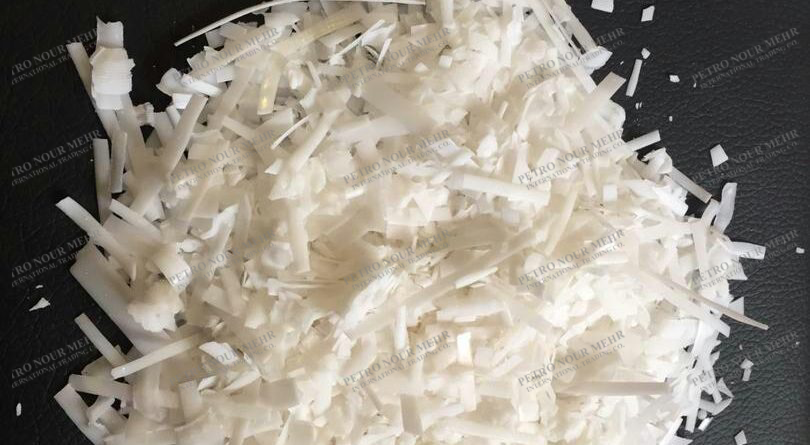
Analysis of PE WAX grades
You can find the list of PE WAX product in the table below:
To view other polymer products, you can click here.
PE WAX Manufacturers in Iran
Shazand Arak, Mehr and ILam Petrochemicals and other domestic factories are producers of this polymer material in Iran.
These units are among the largest PE Waxproducers in Iran and play a significant role in supplying domestic needs and exporting this material to global markets.
PE WAX Manufacturers Worldwide:
Several manufacturers and suppliers of polyethylene wax operate globally. Some of these companies include:
- Westlake Chemical Corporation: One of the largest producers of polymer and chemical products in the United States, this company may also produce or market polyethylene wax.
- Baker Hughes Company: A global leader in oil, gas, and chemical services and products, Baker Hughes might be involved in the production and import of polyethylene wax.
- The International Group, Inc: This company has extensive operations in the trade and supply of chemical and polymer materials and might serve as a supplier of polyethylene wax in the United States.
This list represents just a sample of companies active in the production and global distribution of polyethylene wax.
Applications of PE Wax
Polyethylene wax finds applications across various industries due to its unique properties and versatility. Some of the common applications of PE Wax include:
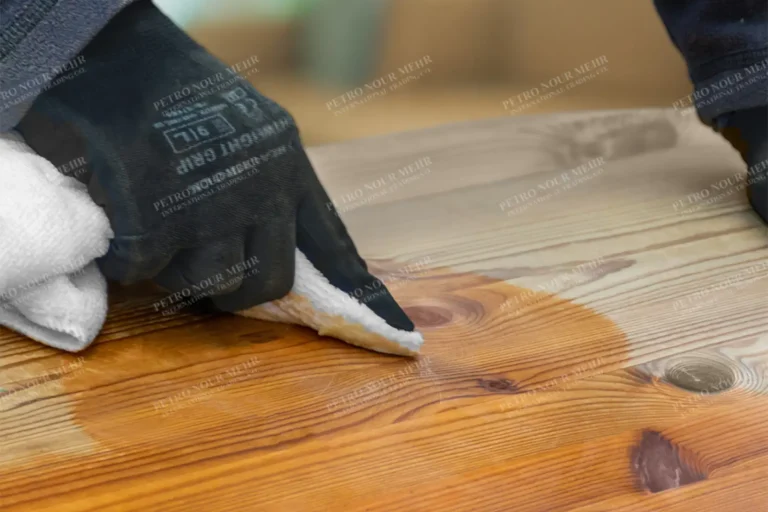
- Coatings and Polishes:
PE Wax is used in the formulation of coatings and polishes for various surfaces, including wood, metal, and plastic. It provides gloss, smoothness, and protection against scratches.
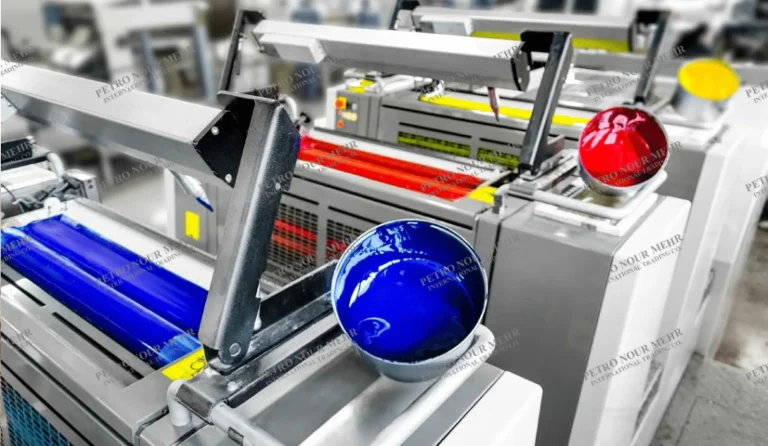
- Printing Inks:
In the printing industry, PE Wax is added to printing inks to improve their rub and scuff resistance, enhance print quality, and reduce friction during printing processes.
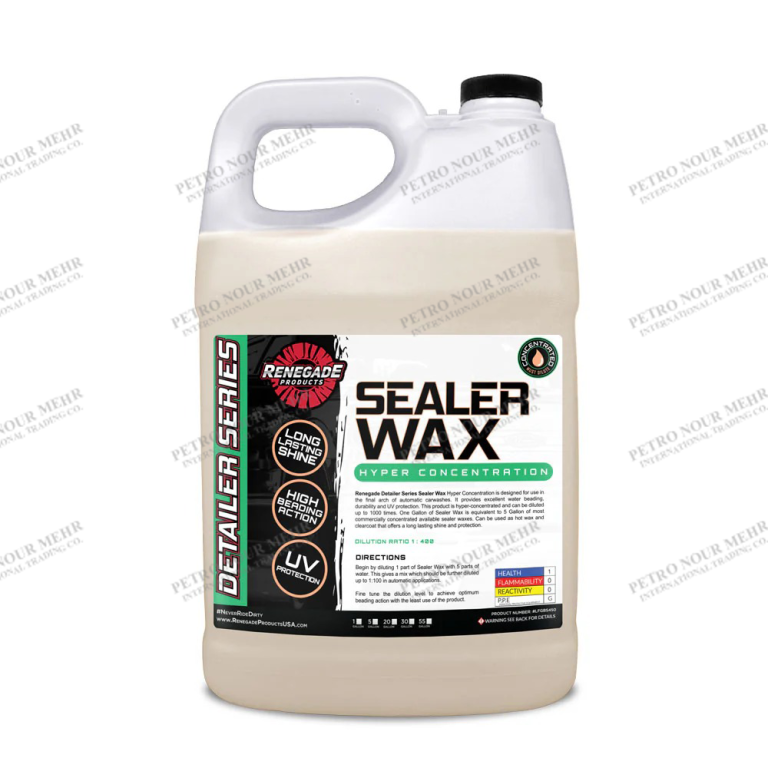
- Adhesives and Sealants:
PE Wax serves as a lubricant and processing aid in the formulation of adhesives and sealants. It improves flow properties, enhances adhesion, and reduces tackiness.
- Masterbatches and Compounds:
PE Wax is commonly used as a processing aid and lubricant in the production of masterbatches and compounds for the plastics industry. It helps to improve dispersion of additives and fillers, reduce melt viscosity, and enhance surface finish. - PVC Processing:
In the PVC industry, PE Wax is added to PVC formulations as an external lubricant to improve processability, reduce melt viscosity, and prevent sticking during processing operations such as extrusion, injection molding, and calendaring. - Rubber Processing:
PE Wax is used in the rubber industry as a lubricant and processing aid to improve the flow of rubber compounds during processing and to enhance surface finish and release properties of molded rubber products. - Textile and Fiber Processing:
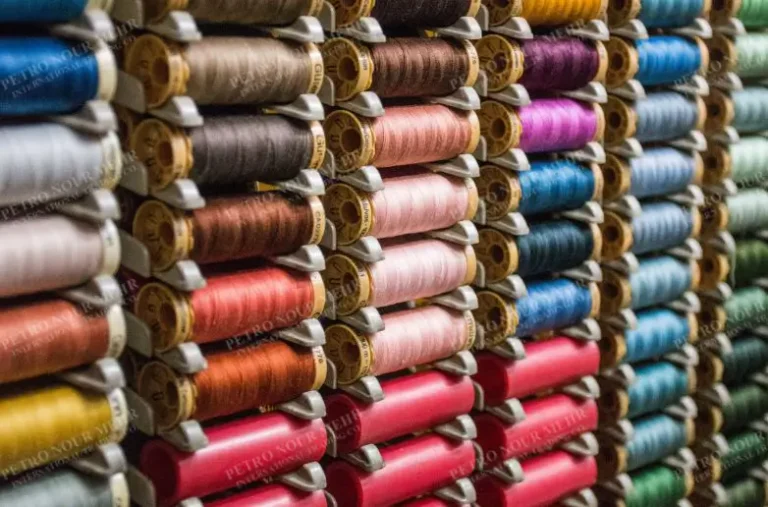
PE Wax is applied as a lubricant and finishing agent in textile and fiber processing to improve yarn cohesion, reduce friction, and enhance fabric softness and smoothness.
Paper and Packaging:
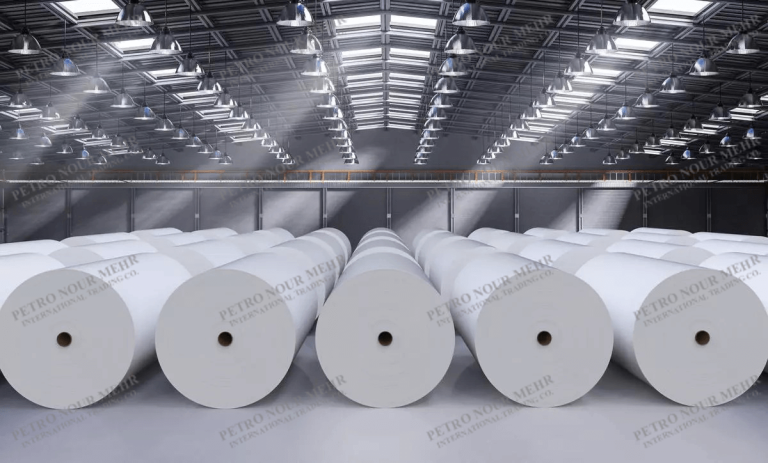
PE Wax is used in the paper and packaging industry as a coating and sizing agent to improve paper surface properties, such as water resistance, printability, and tear strength, and to provide moisture barrier properties in packaging materials.
Personal Care Products:
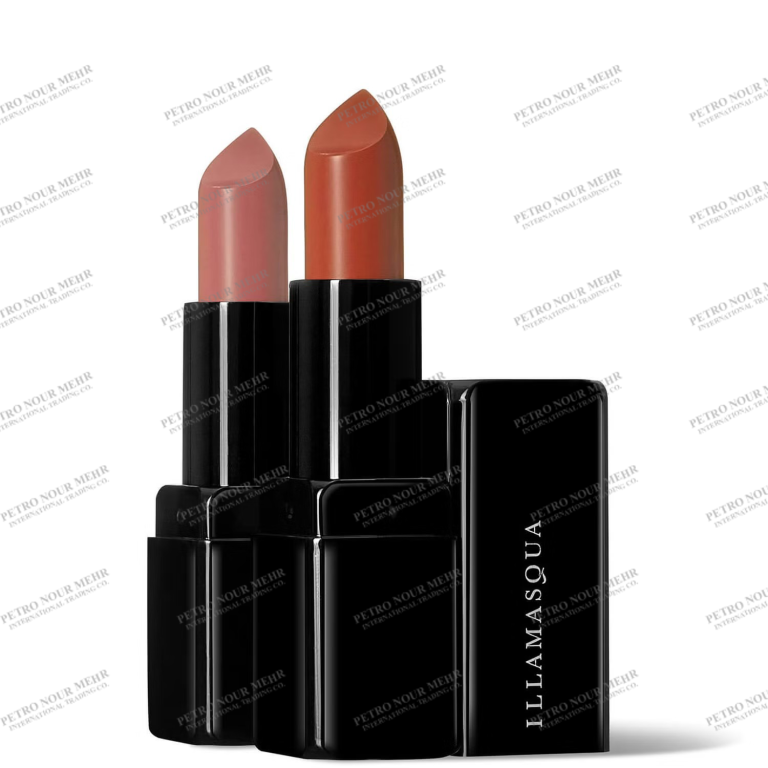
PE Wax is incorporated into personal care products such as creams, lotions, and lipsticks as a thickening agent, emollient, and film former to improve texture, stability, and moisturizing properties.
Food and Pharmaceutical Applications:
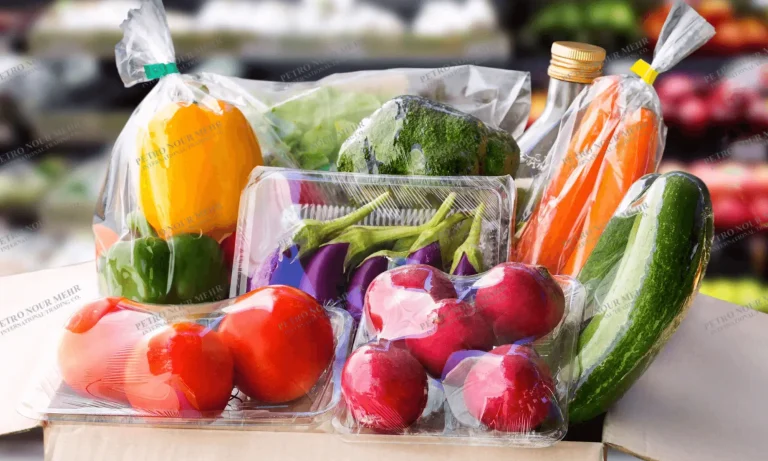
Certain grades of PE Wax that meet regulatory requirements are used in food packaging, pharmaceutical formulations, and other applications where direct contact with food and drugs is involved. They serve as coating agents, release agents, and lubricants in these applications.
Storage Conditions for PE WAX
This grade with low density can be stored under various conditions, but there are some guidelines for better preservation of its quality:
- It is ideal to keep these materials dry and cool; a temperature of less than 30 is preferable for storage.
- Keep this polymer material out of direct sunlight and ultraviolet light, since these sources of light may alter its chemical and physical characteristics.
- These substances react with acids and solvents, among other compounds. It is therefore recommended to stay away from direct contact with these kinds of compounds.
- During storage and transportation, ensure that this material is protected from scratches and impacts, as physical damages can lead to changes in its structure and mechanical properties.
- Packaging for this grade should be made of suitable material to protect it from environmental changes and reduce the penetration of water and air into the packaging.
- Certain items can need particular storage conditions. Consult the manufacturer’s directions in this situation.
Packaging for PE Wax
To package and export PE Waxgranules, various methods can be employed depending on environmental conditions, product requirements, and transportation facilitation for export. Below are some common methods for packaging and exporting these polymer granules:
Packaging in Jumbo Bags: This is a common method for packaging PE Wax granules, where the granules are packed in large bags with varying capacities (usually between 500 to 2000 kilograms). These bags protect the product from contamination and moisture and are suitable for road, sea, and air transport.
Packaging in Small Bags: In this method, the PE Wax granules are packed in smaller bags with a capacity of around 25 to 50 kilograms. These bags are used for local shops and markets or for small shipments.
Using Pallets: PE Wax granules are often packaged on large pallets. This method is utilized for transportation purposes.
Adhering to international standards for packaging, labeling, and transportation conditions is crucial in selecting the appropriate method for packaging and exporting PE Waxgranules. Additionally, it is important to ensure product protection against shocks, moisture, and environmental damage during transportation.
Advantages and Disadvantages of PE Wax
Polyethylene Wax, as a material with unique properties, offers several significant advantages. The first benefit is its anti-sticking property, making it an efficient agent in preventing materials and surfaces from adhering to each other.
Another advantage is its anti-scratch feature, which acts as a protective layer against scratches, preventing surface damage on products. Additionally, polyethylene wax enhances the surface properties of products, resulting in smooth and glossy finishes. Furthermore, this material boasts high chemical stability, providing exceptional resistance against various chemicals, acids, and bases.
However, like other chemical substances, polyethylene wax may come with certain disadvantages. One of the primary drawbacks is its environmental toxicity, which can potentially harm the environment.
The recycling process for this chemical material is challenging, leading to an increase in plastic waste and environmental pollution. Another concern is its accumulation in the environment, which can contaminate water and soil, posing risks to living organisms and ecosystems.
The use of polyethylene wax in some food products can lead to food contamination and negative impacts on human health. Finally, the potential adverse effects on human health necessitate special attention and care in the use of this material.
Physical and Chemical Properties of PE Wax:
Polyethylene wax is a chemical compound with specific physical and chemical properties that find applications in various industries. Some of its key physical and chemical properties include:
- Melting Point: Polyethylene wax typically melts at a temperature range of about 100-120 degrees Celsius, although this melting point can vary depending on the precise formulation.
- Anti-Sticking Properties: This wax has strong anti-sticking properties, making it an effective agent for preventing surfaces and materials from adhering to each other.
- Water and Moisture Resistance: Polyethylene wax is highly resistant to water and moisture, allowing it to be used as a hydrophobic material in certain applications.
- Chemical Stability: It exhibits high chemical stability, providing good resistance to oxidation and other chemical changes.
- Surface Protection: Polyethylene wax can act as a protective agent for various surfaces, including metals, wood, and plastics, enhancing the surface properties of these products.
Overall, this polyethylene-based material is recognized as a versatile substance with suitable physical and chemical properties for use in multiple industries.
Types of PE Wax grades:
Polyethylene Wax, which is available in various grades such as powder, flake, and granule, is used in numerous industries due to its unique properties and high versatility. These industries include composite manufacturing, candle making, cosmetics, and textiles.
Additionally, some types of polyethylene wax are suitable for use in food products. This product is classified into emulsifiable and non-emulsifiable categories based on molecular weight, with molecular weights ranging between 2000 and 4000. Below, we examine the different types of polyethylene wax according to their applications:
Edible Polyethylene Wax:
This type of wax is used to enhance the gloss of citrus fruits and other produce in the food industry. It is also added to cheese to prevent drying. Edible polyethylene wax is safe for consumption and does not pose any health risks to consumers, which is why it is also used in the production of children’s crayons and gummy candies.
Industrial Polyethylene Wax:
Industrial waxes, produced according to various manufacturing requirements, have diverse characteristics. Some of these waxes, once refined, are available in non-toxic forms. These waxes are used in candle production, composites, cosmetics, rubber protection, textiles, injection-molded plastic products, and the manufacture of sewage pipes. This diversity in applications makes industrial waxes a fundamental material in many production processes.
Most polyethylene waxes, which are typically non-edible, should be stored away from direct sunlight and at temperatures between 0 to 40 degrees Celsius to maintain their original quality. When using waxes for food and cosmetic products, it is crucial to use the appropriate non-toxic type.
- Buy from a reputable and authorized supplier that holds necessary certifications and guarantees quality.
- Compare the prices of these materials in different markets and compare them with the global market price.
- Examine the sales conditions regarding quantity, delivery time, packaging, transportation methods, and payment terms.
- If you intend to import PE Wax from foreign countries, investigate customs and legal regulations and comply with export and import regulations.
- Contact Petro Nour Mehr Company to obtain the most suitable export price based on your conditions.
- After signing the contract, you can place your order.
- Secure and suitable payment methods according to customer preferences are provided by the company.
- Then, the loading stage is completed by selecting and introducing a transport company.
- Necessary documents for customs clearance at the destination city are also provided to customers by Petro Nour Mehr Company.
- sales@petronourmehr.com
- +98 219-100-7557
For all inquiries, please don’t hesitate to contact our sales department using the form below.