
LAB (Linear Alkyl Benzene)
LAB, also known as Linear Alkyl Benzene, is a crucial chemical compound widely used in various industrial processes. It plays an important role in the production of detergents, surfactants, and cleaning products, and is also used as a key raw material in the formulation of biodegradable surfactants. Available in liquid form, Linear Alkyl Benzene is a versatile compound with numerous applications across different sectors of the chemical industry.
At Petro Nour Mehr, we have successfully established ourselves as a trusted LAB supplier by offering competitive prices and high-quality products. The LAB price is an essential factor when selecting the right supplier for your needs, and we are committed to providing the most affordable and efficient solutions to meet your industrial requirements.
If you are looking to purchase LAB at the best prices or need detailed information on LAB Chemical pricing and purchasing options, feel free to contact our sales department for the latest updates and special offers.
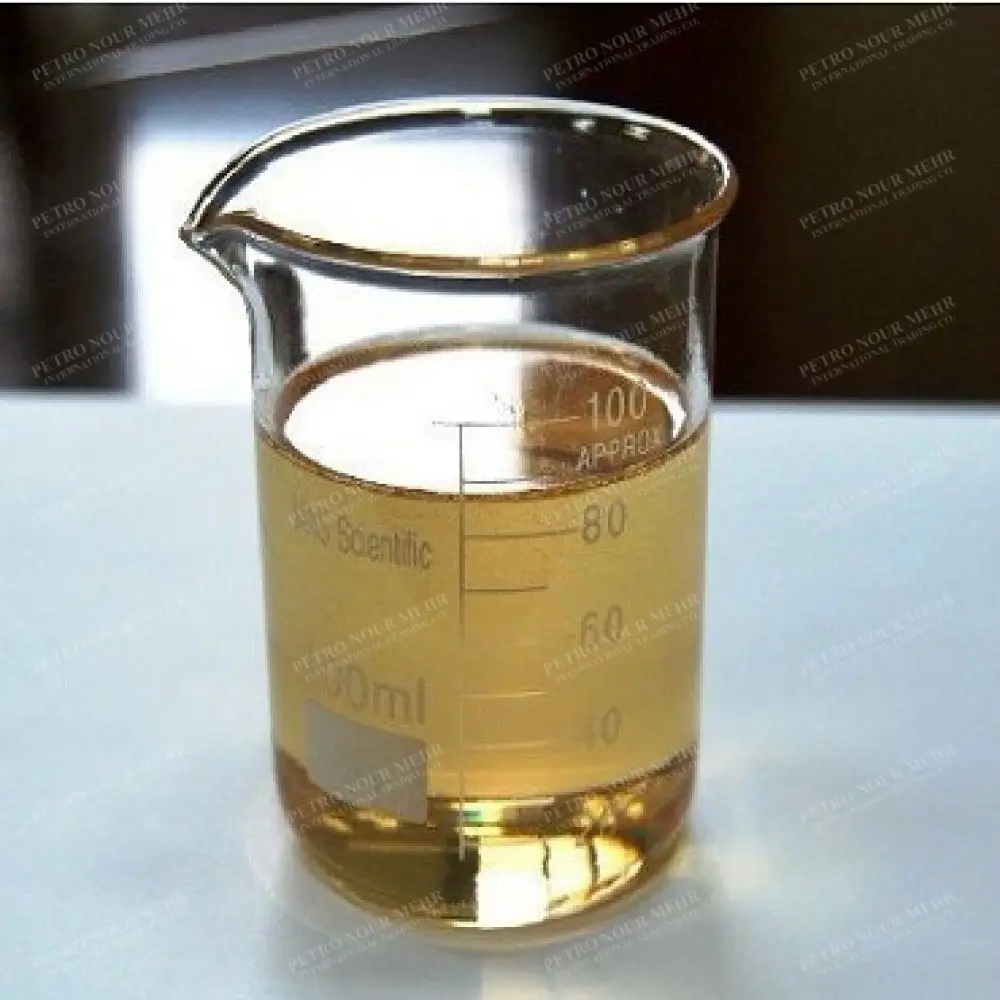
Analysis of LAB grades
You can find the list of LAB products in the table below:
To view other chemical products, you can click here.
LAB Manufacturers in Iran
In the petrochemical industry of Iran, several companies and production units are engaged in the production of Linear Alkyl Benzene. These companies include:
- Bisotun Petrochemical Company
- Iran Chemical Industries
These units are also major producers of Linear Alkyl Benzene in Iran and contribute significantly to meeting both domestic demand and global market needs for this vital chemical.
Applications of LAB
This material finds various applications across different industries due to its unique properties. Some of the key applications of LAB include:
- Detergent Industry: It is primarily used as a key raw material in the production of linear alkyl benzene sulfonic acid (LAS), which is a major surfactant used in the formulation of laundry detergents, dishwashing liquids, household cleaners, and industrial cleaning products.
- Textile Industry: LAB-derived LAS is used in the textile industry as a wetting agent, detergent, and emulsifier in textile processing and finishing operations.
- Personal Care Products: LAB-derived LAS is also used in the formulation of personal care products such as shampoos, bath gels, hand soaps, and cosmetics as a foaming agent and cleansing agent.
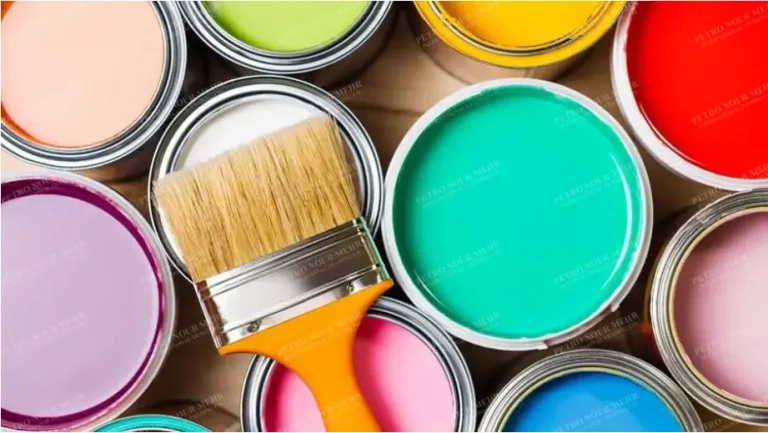
- Emulsions and Dispersions: LAB-based surfactants are used to stabilize emulsions and dispersions in various industries, including paints, coatings, adhesives, and agricultural chemicals.
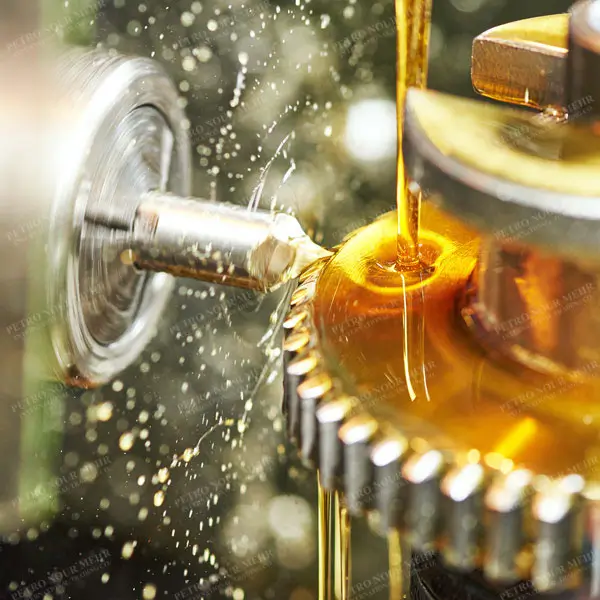
- Metalworking Fluids: LAB-derived surfactants are used in metalworking fluids as emulsifiers, corrosion inhibitors, and lubricants to enhance machining operations and protect metal surfaces.
- Oilfield Chemicals: LAB-derived surfactants are employed in the oil and gas industry for applications such as enhanced oil recovery, drilling fluids, and production chemicals.
- Plastics Industry: This material is used as a processing aid and lubricant in the production of polyolefin resins and other plastics to improve flow properties and mold release.
- Paper Industry: LAB-based surfactants are used in the paper industry for wet-end additives to improve paper strength, water retention, and drainage properties during papermaking.
- Construction Industry: LAB-derived surfactants are utilized in the construction industry for applications such as concrete admixtures, waterproofing agents, and mortar additives to improve workability and performance.
- Industrial Cleaners and Degreasers: LAB-derived LAS is utilized in the manufacturing of industrial cleaners, degreasers, and solvent cleaners due to its excellent cleaning properties.
These are just a few examples of the diverse applications of this material across various industries, highlighting its importance as a versatile LAB chemical in the manufacturing sector.
Storage Conditions for LAB
LAB is a chemical substance with wide-ranging applications in various industries, including the production of detergents, surfactants, and lubricants. The storage conditions for Linear Alkyl Benzene depend on the environment, reservoir conditions, and inventory levels. However, some common storage conditions typically include:
- Solidification at Low Temperatures: This material may solidify at temperatures lower than its freezing point. Therefore, temperature control must be continuously maintained in tanks or transportation vessels to prevent this from happening.
- Cool and Dry Environments: Cool and dry environments are preferably suitable for storing Linear Alkyl Benzene. Additionally, corrosive materials and oxidants should be removed from storage tanks and environments.
- Secure Storage Tanks: Due to the risk of fire and explosion, LAB should be stored in secure tanks and vessels designed for safety. Moreover, all ignition sources and other flammable materials should be kept away.
- Continuous Monitoring: Maintenance activities should be continuously monitored, and corrective actions should be taken immediately in case of any issues or malfunctions.
- Ventilation and Airflow: Proper ventilation is important in areas where this material is stored to prevent the accumulation of flammable vapors. Adequate airflow reduces the risk of hazardous conditions and ensures safety during storage and handling.
- Avoiding Direct Sunlight: This material should be stored away from direct sunlight, as prolonged exposure to UV rays can cause degradation of the material. Keeping this material in shaded or temperature-controlled areas is important to maintain its quality.
Given that this material is a hazardous substance, it is essential to always adhere to safety information and relevant guidelines. The use of safety equipment such as masks and protective clothing should be ensured.

Packaging for LAB
Linear Alkyl Benzene (LAB), also referred to as LAB chemical, is commonly packaged and stored in various types of containers suitable for its transportation and use in different industries. The packaging for LAB typically includes:
- Drums: Linear Alkyl Benzene is often packaged in standard-sized drums made of materials such as carbon steel, stainless steel, or high-density polyethylene (HDPE). These drums usually have a capacity ranging from 200 liters to 250 liters and are suitable for bulk storage and transportation.
- Intermediate Bulk Containers (IBCs): This material may also be stored and transported in IBCs, which are large containers with a capacity of 1000 liters or more. IBCs are constructed from materials like high-density polyethylene (HDPE) or composite materials and are equipped with a pallet base for easy handling.
- Tanker Trucks: For bulk transportation, Linear Alkyl Benzene is often transported in tanker trucks or railcars. These specialized vehicles are designed to safely transport large quantities of liquid chemicals and may have built-in heating or cooling systems to maintain the desired temperature during transit.
- ISO Tanks: This material can also be shipped internationally in ISO tanks, which are standardized containers suitable for intermodal transportation via road, rail, or sea. ISO tanks have a capacity similar to tanker trucks and provide a secure and efficient means of transporting this material in liquid form.
- Flexitanks: In some cases, this material may be transported in flexitanks, which are large, flexible containers made of polyethylene or other suitable materials. Flexitanks are designed to fit into standard shipping containers and can hold up to 24,000 liters of liquid, offering a cost-effective solution for transporting Linear Alkyl Benzene in bulk.
Regardless of the type of packaging used, it is essential to ensure that containers are properly sealed, labeled, and handled in accordance with safety regulations and guidelines to prevent spills, contamination, or other hazards during storage and transportation. LAB producers offer diverse packaging options, and LAB price also varies depending on the type of packaging used.
Producing Products Using LAB at Manufacturers
Linear Alkyl Benzene producers such as Chevron Phillips Chemical Company and ExxonMobil Chemical utilize LAB as a key raw material in their production processes. Chevron Phillips Chemical Company focuses on producing LAB chemicals for industries like detergents, surfactants, and cleaning products, delivering high performance across sectors such as automotive, textiles, and construction. Similarly, ExxonMobil Chemical incorporates LAB in the production of industrial cleaners, lubricants, and agricultural chemicals. The competitive LAB price offered by these companies reflects their efficient and sustainable practices, meeting both global and domestic demands for Linear Alkyl Benzene and its derivatives.
LAB Characteristics
Linear Alkyl Benzene is a clear to pale yellow liquid with a mild, characteristic aromatic odor. It is highly soluble in organic solvents but only slightly soluble in water. this material has a relatively high boiling point and remains stable at room temperature, making it suitable for a variety of industrial applications. It is a relatively safe substance, but proper handling is still essential. Its chemical formula is C6H5CnH2n+1.
This material is an organic compound with a weakly basic nature, making it effective in the synthesis of various chemicals. With a molecular weight that varies depending on the chain length of the alkyl group, LAB has a moderate density compared to other organic liquids. It is widely used in the production of detergents, surfactants, and cleaning products, playing a crucial role in industries such as petrochemicals, automotive, and textiles.
Advantages and Disadvantages of LAB
Linear Alkyl Benzene is a widely used chemical compound in various industrial applications, but it comes with both advantages and disadvantages:
Advantages
- Versatility: This material is a highly versatile chemical used in the production of detergents, surfactants, plastics, and cleaning products, as well as in petrochemicals and oil refining.
- Effective in Synthesis: Linear Alkyl Benzene is a key raw material in the synthesis of many chemicals, making it essential for various manufacturing processes.
- High Demand in Detergents: This material is critical in the production of surfactants and is widely used in industries such as automotive, construction, and textiles.
- Used in Rubber and Plastic Production: This material plays an important role in the production of biodegradable surfactants, a key material for industries like automotive and construction.
- Contribution to Industrial Processes: This material is used in many industrial processes, including those in oil refineries and for the production of cleaning products, helping to improve efficiency and reduce environmental impact.
Disadvantages
- Toxicity: This material can cause health problems if inhaled, ingested, or absorbed through the skin, leading to symptoms like dizziness, headaches, and organ damage.
- Environmental Impact: Improper disposal of Linear Alkyl Benzene can lead to contamination of water sources and soil, harming aquatic life and ecosystems.
- Flammability: This material is flammable and can form explosive mixtures with air, posing a fire and explosion hazard in poorly ventilated areas.
- Health Risks: Long-term exposure to LAB can lead to serious health issues, including damage to the liver, kidney, and central nervous system.
- Cost: Linear Alkyl Benzene can be expensive, especially in large quantities, which may impact production costs for businesses in industries that require large amounts of this chemical.
In summary, while this material offers numerous advantages in industrial applications, it is essential to handle, store, and dispose of it properly to avoid risks. Given its toxicity and environmental concerns, precautions must be taken to ensure safety. Additionally, the LAB price may fluctuate based on market conditions, so businesses should stay updated on Linear Alkyl Benzene price and consult reliable LAB producers for competitive pricing.
Physical and Chemical Properties of LAB
Linear Alkyl Benzene has both physical and chemical properties that make it ideal for various industrial applications, particularly in detergent manufacturing, surfactants, and petrochemical processes. Here are some of its key properties:
Physical Properties
- Appearance: This material is typically a colorless to pale yellow liquid with a characteristic aromatic odor. It can also be found in solid form under certain conditions, though it is mainly used in liquid form.
- Odor: Linear Alkyl Benzene has a mild, slightly sweet odor that is noticeable during handling.
- Melting Point: The melting point of LAB is around -30°C, which means it remains liquid under typical room temperature conditions and is stable for various applications.
- Boiling Point: The boiling point of LAB is approximately 300-320°C, allowing it to be used in high-temperature processes without boiling.
- Density: The density of LAB is approximately 0.86 g/cm³, which is relatively high compared to many organic liquids and influences its flow properties during handling and transportation.
Chemical Properties
- Reactivity: This material is a moderately stable compound and reacts with acids to form salts. It is also reactive with certain oxidizing agents and can undergo electrophilic substitution reactions, which are important in chemical synthesis processes.
- pH Regulation: This material is commonly used in the production of chemicals that help regulate pH levels, especially in industrial processes like oil refining and chemical manufacturing.
- Solubility: This material is virtually insoluble in water but highly soluble in organic solvents such as alcohols, ethers, and hydrocarbons. This makes it useful in various chemical synthesis processes and as a solvent in several industries.
Overall, the physical and chemical properties of LAB make it a crucial component in many industrial applications. However, its toxicity and reactivity with other substances require proper handling and storage to ensure safety and maintain product quality.
Comparison between LAB, HAB, and LABSA
Linear Alkyl Benzene is primarily used in the production of LABSA, a key ingredient in detergents. LAB is a clear, colorless liquid and is known for its environmental compatibility and biodegradability.
HAB (Heavy Alkyl Benzene), on the other hand, is mainly used as a raw material in producing lubricants, surfactants, and solvents, and has a colorless to pale yellow liquid form with a characteristic odor. LABSA (Linear Alkyl Benzene Sulfonic Acid) is produced by sulfonating LAB and is a dark brown, viscous liquid used primarily in detergents for its excellent foaming properties.
While HAB is mainly used in chemical processes and as a solvent, LAB and LABSA are focused on the detergent industry. LAB is less complex and less expensive to produce, whereas LABSA is a more refined and expensive surfactant, but it is more effective in cleaning applications.
How to buy LAB?
- Buy from a reputable and authorized supplier that holds necessary certifications and guarantees quality.
- Compare the prices of these materials in different markets and compare them with the global market price.
- Examine the sales conditions regarding quantity, delivery time, packaging, transportation methods, and payment terms.
- If you intend to import LAB from foreign countries, investigate customs and legal regulations and comply with export and import regulations.
- Contact Petro Nour Mehr Company to obtain the most suitable export price based on your conditions.
- After signing the contract, you can place your order.
- Secure and suitable payment methods according to customer preferences are provided by the company.
- Then, the loading stage is completed by selecting and introducing a transport company.
- Necessary documents for customs clearance at the destination city are also provided to customers by Petro Nour Mehr Company.
- sales@petronourmehr.com
- +98 219-100-7557
For all inquiries, please don’t hesitate to contact our sales department using the form below.