
Caustic Soda (Sodium Hydroxide)
Caustic Soda, also known as Sodium Hydroxide, is an essential chemical compound widely used across various industries. Available in the form of Caustic Soda Flakes, this compound plays a crucial role in the production of chemicals, oil refining, soap and detergent manufacturing, paper production, as well as in water treatment and metal cleaning processes. Due to its strong alkaline properties, Sodium Hydroxide is indispensable in many industrial applications.
At Petro Nour Mehr, we have successfully secured a significant share in the global market by offering competitive prices for Caustic Soda and Caustic Soda Flakes. The Caustic Soda Price and Caustic Soda Flakes Price are key factors when selecting a reliable supplier.
If you are looking to purchase Sodium Hydroxide at the best prices or need detailed information on Caustic Soda pricing and purchasing options, feel free to contact the sales department of Petro Nour Mehr for the latest updates and special offers.
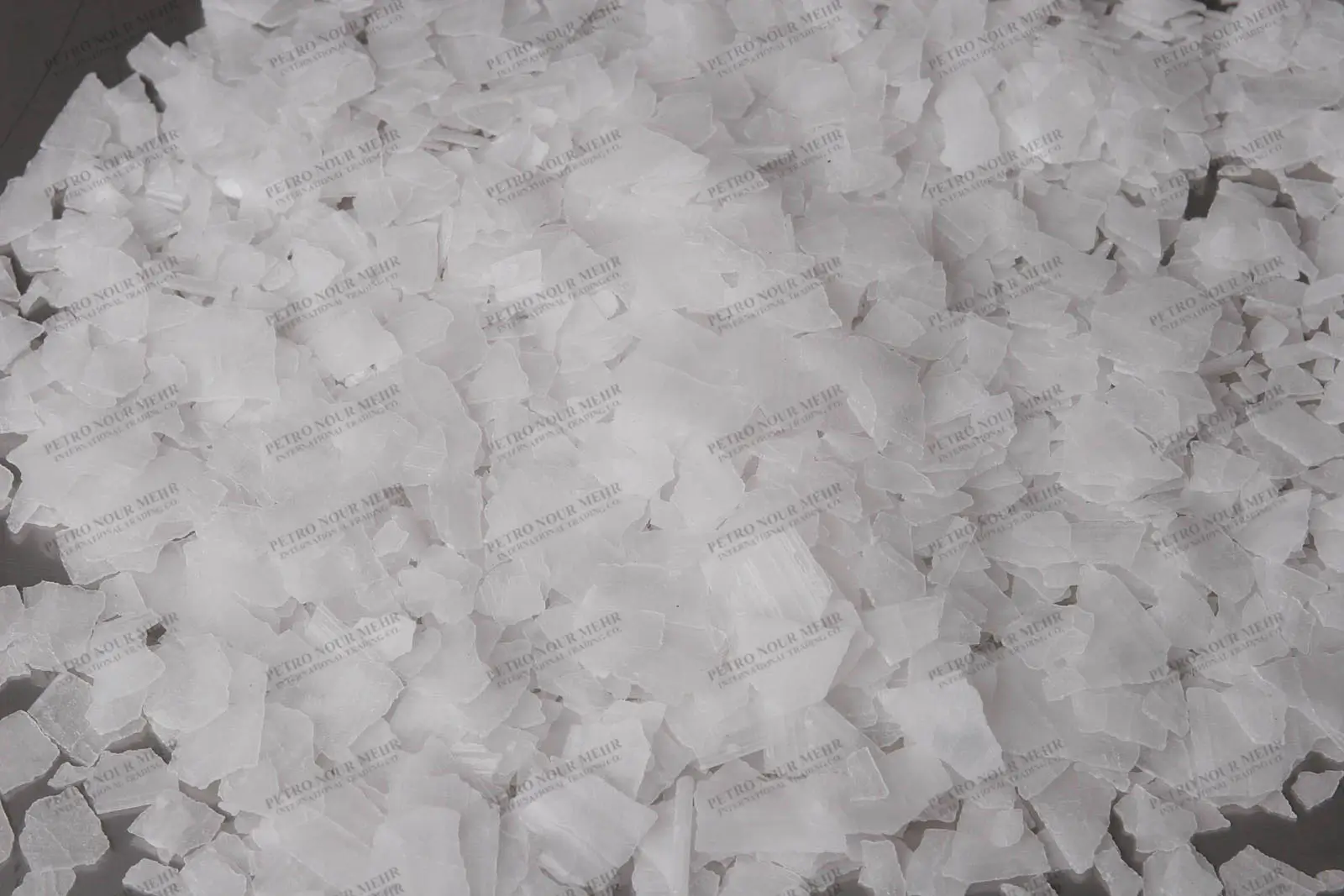
Analysis of Caustic Soda grades
You can find the list of Caustic Soda products in the table below:
To view other chemical products, you can click here.
Caustic Soda Manufacturers in Iran
In the petrochemical industry of Iran, several companies and production units are engaged in the manufacturing of Caustic Soda. These companies include:
- Bandar Imam Petrochemical Company
These units are among the largest Caustic Soda producers in Iran and play a significant role in meeting domestic demand and exporting this essential chemical to international markets. Their advanced production facilities and high-quality standards ensure the availability of reliable and competitively priced Caustic Soda for various industrial applications.
Applications of Caustic Soda
Caustic Soda, also known as Sodium Hydroxide, is a highly versatile chemical with a wide range of applications across various industries. Some of its primary uses include:
- Cleaning Agents: Caustic Soda Flakes combine with fats (oils or animal fats) in a process known as saponification, resulting in glycerin and soap emulsion. It also acts as a pH regulator in soap production, maintaining an alkaline pH level.

- Chemical Processes: Sodium Hydroxide, being a strong alkaline chemical, effectively dissolves lipids. When Caustic Soda comes into contact with water or moisture, it dissolves and produces significant heat, which melts fats, making it crucial in various industrial applications, especially in food, slaughterhouses, and dairy industries for degreasing equipment.

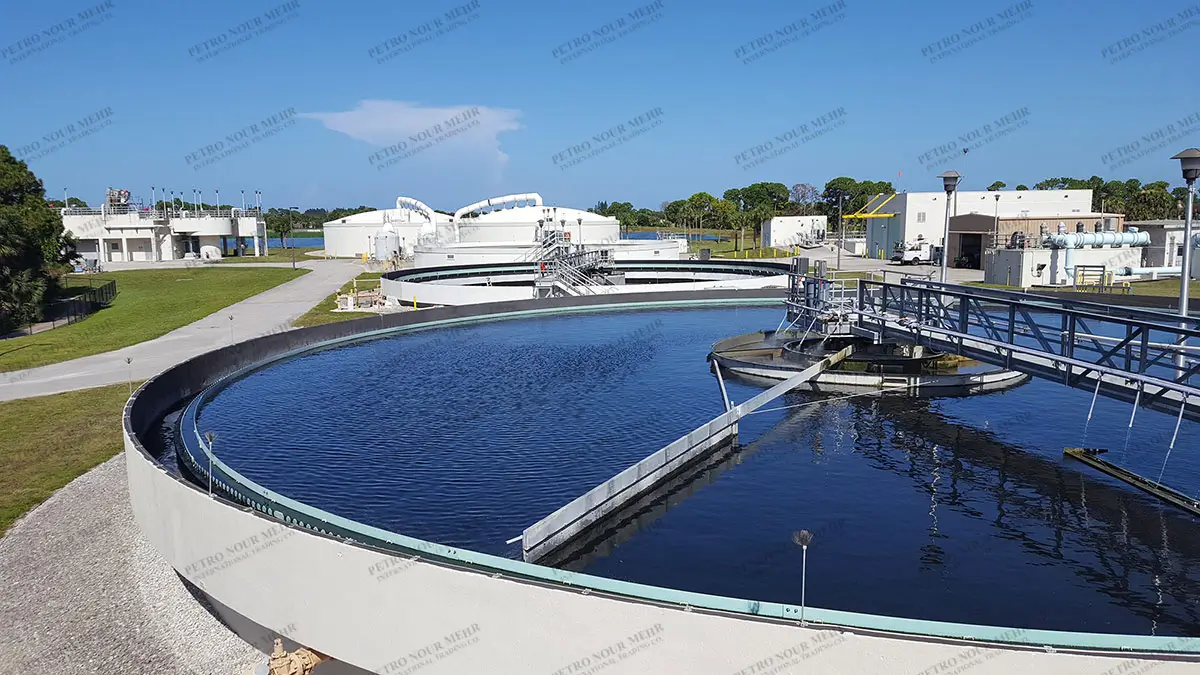
- Water Treatment: Caustic Soda’s high alkalinity helps regulate pH and reduce water corrosion. It is often used after chlorination to balance the pH and avoid corrosion in water treatment systems.
- Aluminum Production: In aluminum manufacturing, Sodium Hydroxide plays a crucial role in purifying bauxite ore from impurities. This enhances the final product’s quality by eliminating silicon and aluminum oxides from bauxite rocks.

- Tissue Dissolution: Caustic Soda, a corrosive substance, is utilized for decomposing tissues of animals and plants. It is commonly used for the disposal of animal carcasses, where the technique involves placing the carcass in a wax-sealed container and adding a mixture of Sodium Hydroxide and water to cause tissue disintegration.
- Textile Industries: The strong alkaline property and fat-removal capability of Caustic Soda make it a key substance in the textile industry, improving dyeing processes and fiber production by removing fats that can compromise color quality.
- Chemical and Petrochemical Industries: It is used as a base ingredient to make soaps, detergents, dyes, resins, polymers, and chemical additives.
- Petroleum Refining Industries: This material is used in the petrochemical industry to modify the pH of oil and gas streams and remove acids.
- Water and Wastewater Treatment: This material is used to soften water and regulate pH in the water and wastewater treatment sectors.
- Paper Industries: In paper production, this material is used as an alkaline agent to balance the pH of cellulose solutions and create favorable conditions for paper production.
- Food Production: In the food industry, it is used to regulate the pH of products and in production processes such as vegetable oil production and bread dough preparation.
- Pharmaceutical Production: This material is used in the pharmaceutical industry to regulate pH and in the manufacturing of pharmaceuticals and medical substances.
Caustic Soda, including Caustic Soda Flakes, is widely used in Chemical and Petrochemical Industries for producing soaps, detergents, dyes, and resins. The Caustic Soda Price and Caustic Soda Flakes Price are crucial for selecting suppliers in industries like Petroleum Refining and Food Production, where it helps regulate pH levels. Caustic Soda also has a wide range of applications in various industries, including textiles, rubber, apparel, and mining.
Storage Conditions for Caustic Soda
Sodium Hydroxide (Caustic Soda) is a highly reactive chemical used in various industries, including petrochemicals, oil refining, paper making, water treatment, and detergent manufacturing. To safely store this substance, the following conditions should be met:
- Ideal Storage Temperature and Conditions: The storage environment for NaOH should be dry, cool (25 degrees Celsius), and away from direct sunlight. It is advisable to use chemical-resistant plastic or metal containers.
- Ensure Proper Ventilation: To avoid the accumulation of dangerous fumes, the caustic soda storage room should be well-ventilated. Adequate ventilation is also required in the area of application.
- Prevent Contact with Water and Moisture: This material reacts with water and moisture, producing heat while cooling the atmosphere. Therefore, direct contact with water should be avoided.
- Avoid Contact with Oxidizing Agents: It interacts with oxidizing agents like acids and hydrogen peroxide. Therefore, direct contact with such substances should be avoided.
- Use of Personal Protective Equipment (PPE): To decrease the risk of direct contact with the skin or eyes, this chemical should be treated using safety equipment such as gloves, goggles, face shields, and protective clothes.
- Importance of Safety Labels and Warnings: Proper safety labels and warning signs should be placed on containers and packaging containing this material to educate workers and individuals handling it.
By adhering to these storage guidelines, the integrity and effectiveness of Sodium Hydroxide (Caustic Soda) can be maintained for safe industrial use. If you require more details about Caustic Soda Price or need the best prices for Caustic Soda Flakes Price, trusted suppliers can offer updated information on pricing and availability.

Packaging for Caustic Soda
For packaging and exporting Caustic Soda, various methods can be employed depending on environmental conditions, product requirements, and transportation facilitation for export. The following are some typical ways that Caustic Soda and Caustic Soda Flakes are packaged and exported:
- Packaging in Jumbo Bags: This method is common for packaging Caustic Soda powders, where the powders are packed into large bags with varying capacities (usually between 500 to 2000 kilograms). These bags are appropriate for air, sea, and road transportation in addition to protecting the product from contamination and moisture.
- Packaging in Small Bags: In this method, Sodium Hydroxide powder is packed into smaller bags with capacities of approximately 20 to 25 kilograms.
- Use of Pallets: Caustic Soda powders are often shipped on large pallets.
Choosing the right packaging and exporting strategy for this Sodium Hydroxide powder can be accomplished with such international packaging standards, labeling, and transportation requirements followed. It’s crucial to think about protecting the product from environmental deterioration, shocks, and humidity while it’s being transported. If you need the best Caustic Soda Flakes Price, trusted suppliers can offer updated information on availability and pricing.
Producing Products Using Caustic Soda at Manufacturers
Caustic Soda producers such as Shell and ExxonMobil use Sodium Hydroxide as a key raw material in their production processes. Shell specializes in producing Caustic Soda for industries like oil refining, water treatment, and chemical production, offering high performance in sectors like automotive and pharmaceuticals. ExxonMobil also uses Caustic Soda for applications in construction, paper manufacturing, and detergent production. Their competitive Caustic Soda price reflects their efficient and sustainable operations in meeting both global and domestic demands for Sodium Hydroxide.
Caustic Soda Characteristics
Caustic Soda is a white, odorless solid that is highly soluble in water. It has a high melting point and remains stable at room temperature, making it suitable for a wide range of industrial applications. Caustic Soda Flakes is hygroscopic, meaning it can absorb moisture from the air, which can lead to clumping or cake formation. Its chemical formula is NaOH.
Sodium Hydroxide is an inorganic compound with strong alkalinity, making it effective in adjusting the pH of solutions. With a molecular weight of 40.00 grams per mole (g/mol), Caustic Soda has a relatively high density. It is widely used in the production of chemicals, paper, detergents, and in water treatment processes, playing a vital role in industries such as construction, automotive, and textiles.
Advantages and Disadvantages of Caustic Soda
Caustic Soda, also referred to as Sodium Hydroxide, has several advantages and disadvantages:
Advantages
- Versatility: Sodium Hydroxide is a highly versatile chemical used in various industries, including manufacturing, water treatment, and cleaning products.
- Strong Alkalinity: Caustic Soda Flakes is a powerful alkali, capable of neutralizing acids and reacting with various substances, making it useful for many industrial processes.
- Effective Cleaning Agent: Caustic Soda is an effective cleaning agent for removing grease, oil, and other contaminants from surfaces and equipment.
- Water Treatment: Sodium Hydroxide is commonly used in water treatment processes to adjust pH levels, remove heavy metals, and treat wastewater.
- Manufacturing: Caustic Soda is a key ingredient in the production of various chemicals, including paper, textiles, soaps, and detergents.
Disadvantages
- Corrosive: Caustic Soda Flakes are highly corrosive and can cause severe burns if they come into contact with the skin or eyes.
- Environmental Impact: Improper disposal of Sodium Hydroxide can harm the environment, as it can contaminate water sources and soil.
- Health Risks: Inhalation or ingestion of Caustic Soda can lead to respiratory issues, gastrointestinal problems, and other health hazards.
- Reactivity: Caustic Soda reacts violently with certain substances, such as acids and organic materials, posing safety risks in handling and storage.
- Cost: While widely used, Sodium Hydroxide can be expensive, especially in large quantities, adding to production costs for businesses.
In summary, while Caustic Soda offers numerous benefits for industrial applications, it is essential to handle, store, and dispose of it properly to mitigate risks. Given its corrosive nature, precautions must be taken to avoid exposure. Additionally, its price may vary based on market conditions, so businesses should stay updated on Caustic Soda price and consult reliable suppliers for competitive pricing.
Physical and Chemical Properties of Caustic Soda
This material has both physical and chemical properties that make it ideal for various industrial applications, particularly in chemical manufacturing, water treatment, textiles, and soap production. Here are some of its key properties:
Physical Properties
- Appearance: Sodium Hydroxide is typically a white, odorless solid that can appear as pellets, flakes, or granules. It may also come in a liquid form in some applications.
- Odor: Caustic Soda is odorless, making it easy to handle and use in various applications without any concern of strong chemical odors.
- Melting Point: The melting point of Caustic Soda Flakes is around 318°C, which makes it stable at higher temperatures and ideal for applications that require heat resistance.
- Boiling Point: Sodium Hydroxide does not have a defined boiling point, as it decomposes at high temperatures rather than boiling.
- Density: The density of Sodium Hydroxide is approximately 2.13 g/cm³, which is relatively high compared to other inorganic compounds and plays a role in its usage in industrial processes.
Chemical Properties
- Reactivity: Caustic Soda is highly alkaline and reacts with acids to form salts and water. It also reacts with certain metals and non-metals, particularly in the presence of water, forming hydroxides.
- pH Regulation: One of the most important chemical properties of Sodium Hydroxide is its ability to regulate pH, especially in water treatment and chemical manufacturing processes, making it an essential substance for adjusting pH levels.
- Solubility: Caustic Soda is highly soluble in water, forming a strong alkaline solution used for various purposes, including cleaning, pH adjustment, and chemical synthesis. It is generally insoluble in organic solvents.
- Stability: Sodium Hydroxide is stable under normal conditions but is highly reactive with water, acids, and organic compounds. It can absorb moisture from the air, so it should be stored in dry conditions to maintain its quality and prevent degradation.
Overall, the physical and chemical properties of Caustic Soda make it a valuable component in many industrial applications. However, its strong alkalinity and potential hazards require proper handling to ensure safety and product quality.
Types of Caustic Soda
Caustic Soda, also known as Sodium Hydroxide, is available in various forms, each tailored to specific industrial applications. Some common types include:
- Solid Caustic Soda: Solid Caustic Soda is typically available in the form of white, translucent pellets, flakes, or granules. It is widely used in industries such as pulp and paper, textiles, and cleaning products.
- Liquid Caustic Soda: Liquid Caustic Soda is a concentrated aqueous solution of Sodium Hydroxide. It is commonly used in water treatment, chemical manufacturing, and petroleum refining.
- Caustic Soda Pearls: Caustic Soda Pearls are spherical beads of Sodium Hydroxide. They are preferred for applications requiring precise dosing and easy handling.
- Caustic Soda Flakes: Caustic Soda Flakes are small, thin pieces of Sodium Hydroxide. They dissolve rapidly in water and are often used in soap making and detergent production.
- Caustic Soda Lye: Caustic Soda Lye is a highly concentrated solution of Sodium Hydroxide in water. It is commonly used in industrial processes requiring high alkalinity, such as metal cleaning and food processing.
These different forms of Caustic Soda offer flexibility and suitability for various industrial processes, depending on factors such as concentration, handling requirements, and application specificity.
Comparison between Caustic Soda Flakes and Caustic Soda Liquid
Caustic Soda Flakes and Caustic Soda Liquid are two forms of sodium hydroxide with distinct characteristics. Caustic Soda Flakes are solid, hygroscopic, and need to be dissolved in water before use. They are ideal for applications like soap making, detergent production, and chemical processes.
On the other hand, Caustic Soda Liquid is a ready-to-use, concentrated solution, preferred in industries such as water treatment, petroleum refining, and food processing. While Caustic Soda Flakes are efficient for solid-state handling, Caustic Soda Liquid offers ease of use for direct applications without the need for dissolution. The choice between them depends on the application and handling requirements.
How to buy Caustic Soda?
- Buy from a reputable and authorized supplier that holds necessary certifications and guarantees quality.
- Compare the prices of these materials in different markets and compare them with the global market price.
- Examine the sales conditions regarding quantity, delivery time, packaging, transportation methods, and payment terms.
- If you intend to import Caustic Soda from foreign countries, investigate customs and legal regulations and comply with export and import regulations.
- Contact Petro Nour Mehr Company to obtain the most suitable export price based on your conditions.
- After signing the contract, you can place your order.
- Secure and suitable payment methods according to customer preferences are provided by the company.
- Then, the loading stage is completed by selecting and introducing a transport company.
- Necessary documents for customs clearance at the destination city are also provided to customers by Petro Nour Mehr Company.
- sales@petronourmehr.com
- +98 219-100-7557
For all inquiries, please don’t hesitate to contact our sales department using the form below.