
LABSA ( Linear Alkyl Benzene Sulfonic Acid )
LABSA, or Linear Alkyl Benzene Sulfonic Acid, is an important chemical compound used in various industrial processes. It plays a key role in producing detergents, cleaning products, and surfactants, and is essential in household and industrial cleaning formulations.
Available in liquid form, LABSA is a versatile compound with wide applications across the chemical industry. Linear alkylbenzene sulfonic acid is commercially produced by sulfonating linear alkyl benzene (LAB) and serves as a preferable alternative to branched alkyl benzene sulfonates such as ABS.
At Petro Nour Mehr, we are a trusted LABSA supplier, offering competitive prices and high-quality products. We are committed to providing affordable and efficient solutions to meet your industrial needs.
If you are looking to purchase LABSA at the best prices or need detailed information on LABSA Chemical pricing and purchasing options, feel free to contact our sales department for the latest updates and special offers.

LABSA Manufacturers in Iran
Some of the most well-known and reputable factories in Iran are leading producers of Linear Alkyl Benzene Sulfonic Acid, contributing significantly to both domestic and international markets.
These units are among the largest LABSA producers in Iran and play a significant role in meeting domestic needs and exporting this product to global markets at competitive prices.
Applications of LABSA
LABSA, also known as Linear Alkyl Benzene Sulfonic Acid, finds various applications across different industries due to its surfactant properties and versatile nature. Some of the common applications of LABSA chemical include:
- Detergents: LABSA is extensively used in the production of household and industrial detergents, including laundry detergents, dishwashing liquids, and surface cleaners. Its excellent foaming and cleaning properties make it an essential ingredient in detergent formulations.
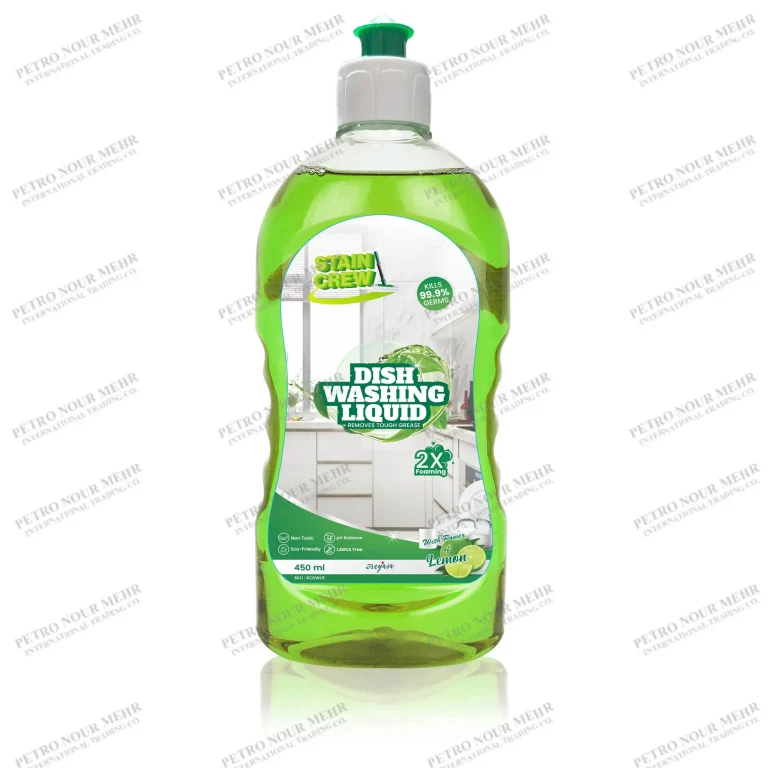
- Emulsion Polymerization: LABSA is used as an emulsifier in the production of synthetic latex polymers through emulsion polymerization processes. It aids in the stabilization of polymer particles in water and facilitates the formation of stable emulsions.
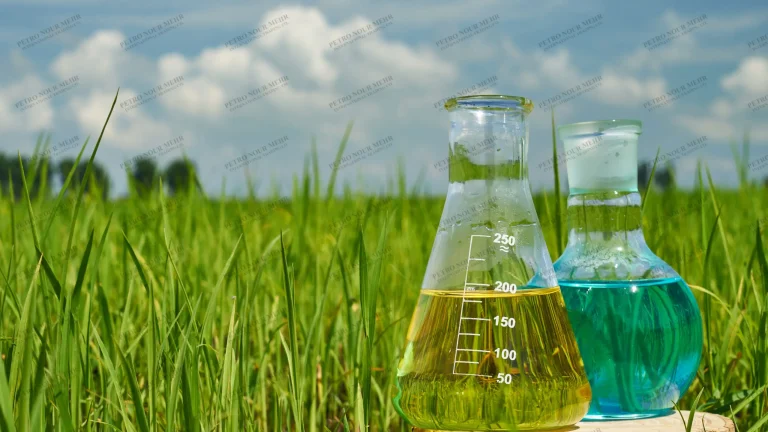
- Agrochemicals: LABSA serves as a key ingredient in the formulation of agricultural chemicals such as herbicides, pesticides, and insecticides. It assists in the dispersion and delivery of active ingredients in agricultural formulations, improving their efficacy.
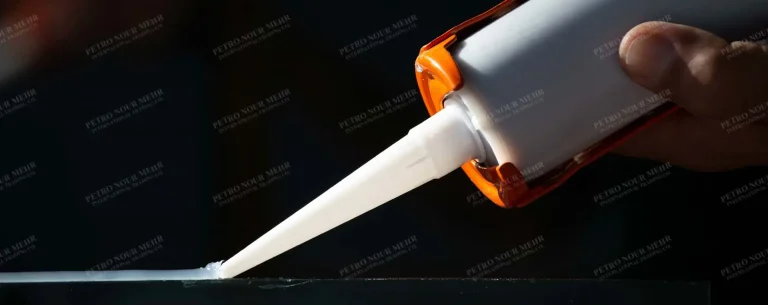
- Adhesives and Sealants: LABSA is employed in the manufacturing of adhesives, sealants, and caulks, where it acts as a surfactant and emulsifying agent. It helps to stabilize adhesive formulations and improve their bonding properties.
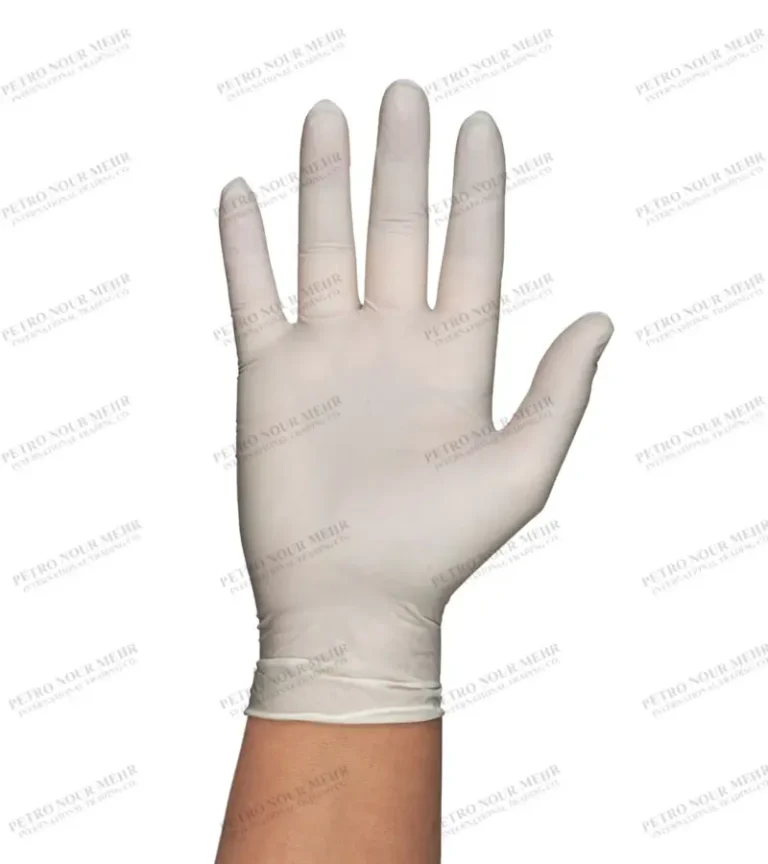
- Personal Care Products: Linear Alkyl Benzene Sulfonic Acid is employed in the formulation of personal care products such as shampoos, hand wash liquids, body washes, and bath gels. It serves as a primary surfactant, contributing to the cleansing and foaming properties of these products.
- Industrial Cleaning: This material is utilized in various industrial cleaning applications, including vehicle cleaning, degreasing, and equipment maintenance. Its strong cleaning power and ability to emulsify oils and greases make it suitable for industrial cleaning purposes.
- Textile Industry: LABSA chemical is employed in the textile industry for fabric pretreatment, dyeing, and finishing processes. It helps to remove impurities from textiles, enhance dye absorption, and improve the overall quality of finished fabrics.
- Oilfield Chemicals: Linear Alkyl Benzene Sulfonic Acid is utilized in the oil and gas industry for various applications, including drilling fluids, oil recovery processes, and well stimulation treatments. It helps to improve the performance of oilfield chemicals and enhance their effectiveness in oilfield operations.
Overall, LABSA plays a vital role in various industrial processes and products, contributing to their performance, effectiveness, and quality. It is widely used in sectors such as detergents, cleaning products, agrochemicals, and personal care products. The LABSA price can vary, and businesses should consider both quality and cost when selecting the right supplier. For competitive Linear Alkyl Benzene Sulfonic Acid price and reliable products, it is essential to consult trusted LABSA producers.
Storage Conditions for LABSA
LABSA, a chemical compound widely used in the production of detergents, cleaning products, and surfactants, requires proper storage to maintain its quality and effectiveness. The storage conditions for Linear Alkyl Benzene Sulfonic Acid depend on factors such as environmental conditions, storage tank specifications, and inventory levels. Some general storage guidelines for LABSA Chemical include:
- Temperature Control: This material may solidify at temperatures below its freezing point, so it is essential to maintain temperature control in storage tanks or transportation vessels to prevent solidification. This ensures that the product remains in a usable form.
- Ideal Environment: This material should be stored in cool, dry environments to avoid any degradation. Additionally, it is important to remove corrosive materials and oxidizing agents from storage areas to maintain the product’s stability.
- Secure Storage Tanks: To prevent contamination and ensure safety, LABSA should be stored in secure, well-sealed tanks. It is crucial to store the chemical in containers specifically designed to handle it safely, keeping ignition sources and other flammable materials at a safe distance.
- Ongoing Monitoring: Storage conditions should be continuously monitored to ensure that this material remains in optimal condition. Any issues, such as temperature fluctuations or leaks, should be addressed immediately to prevent contamination or product loss.
Since Linear Alkyl Benzene Sulfonic Acid is a chemical substance, it is important to adhere to safety protocols. Handling LABSA safely requires the use of proper safety equipment, including gloves, goggles, and protective clothing, to prevent exposure.

Packaging for LABSA
Linear Alkyl Benzene Sulfonic Acid, also known as LABSA chemical, is commonly packaged and stored in various types of containers to suit its transportation and use in different industries. The packaging for LABSA typically includes:
- Drums: This material is often packaged in standard-sized drums made from materials such as carbon steel, stainless steel, or high-density polyethylene (HDPE). These drums generally have a capacity ranging from 200 liters to 250 liters, making them suitable for bulk storage and transportation.
- Intermediate Bulk Containers (IBCs): This material can also be stored and transported in IBCs, which are large containers with a capacity of 1000 liters or more. IBCs are typically made of materials like high-density polyethylene (HDPE) or composite materials and are designed with a pallet base for easy handling.
- Tanker Trucks: For bulk transportation, Linear Alkyl Benzene Sulfonic Acid is often moved in tanker trucks or railcars. These specialized vehicles are designed to transport large quantities of liquid chemicals safely, often equipped with heating or cooling systems to maintain the desired temperature during transit.
- ISO Tanks: This material can also be shipped internationally using ISO tanks, which are standardized containers suitable for intermodal transportation via road, rail, or sea. ISO tanks have a similar capacity to tanker trucks and offer a secure and efficient method for transporting LABSA chemical in liquid form.
- Flexitanks: In some cases, this material may be transported in flexitanks, which are large, flexible containers made of polyethylene or other materials. Flexitanks are designed to fit into standard shipping containers and can hold up to 24,000 liters of liquid, offering a cost-effective solution for bulk transportation of Linear Alkyl Benzene Sulfonic Acid.
Regardless of the type of packaging used, it is important to ensure that containers are properly sealed, labeled, and handled according to safety regulations and guidelines to prevent spills, contamination, or other hazards during storage and transportation. LABSA producers provide various packaging options, and LABSA price may vary depending on the packaging type.
Producing Products Using LABSA at Manufacturers
LABSA producers such as Dow Chemical and BASF use Linear Alkyl Benzene Sulfonic Acid as a key raw material in their production processes. Dow Chemical specializes in producing LABSA chemical for industries like detergent manufacturing, personal care products, and industrial cleaning, providing high performance across sectors such as automotive, textiles, and construction. BASF also utilizes LABSA in the production of surfactants, cleaning products, and agrochemicals. The competitive LABSA price offered by these companies reflects their efficient and sustainable operations, addressing both global and domestic demands for Linear Alkyl Benzene Sulfonic Acid and its derivatives.
LABSA Characteristics
Linear Alkyl Benzene Sulfonic Acid is a colorless to light brown viscous liquid with a characteristic odor. It is highly soluble in water and organic solvents, making it effective in various industrial applications. LABSA has a relatively high boiling point and remains stable at room temperature, making it suitable for use in detergents and cleaning products. It is a chemical compound that requires careful handling, as it can cause skin irritation and other health issues. Its chemical formula is C6H5CnH2n+1SO3H.
LABSA is an organic compound with a weakly acidic nature, which contributes to its effectiveness in the synthesis of various cleaning agents and surfactants. With a molecular weight that varies depending on the chain length of the alkyl group, Linear Alkyl Benzene Sulfonic Acid has moderate density compared to other surfactants. It is widely used in the production of detergents, personal care products, and cleaning chemicals, playing a crucial role in industries such as petrochemicals, textiles, and agriculture.
Advantages and Disadvantages of LABSA
Linear Alkyl Benzene Sulfonic Acid is a widely used chemical compound in various industrial applications, but it comes with both advantages and disadvantages:
Advantages
- Versatility: This material is a highly versatile chemical used in the production of detergents, surfactants, and cleaning products, as well as in petrochemicals and agriculture.
- Effective in Synthesis: This material is a key raw material in the synthesis of various cleaning agents, making it essential for many manufacturing processes.
- High Demand in Detergents: This material is critical in the production of surfactants and is widely used in industries such as automotive, construction, and textiles.
- Used in Personal Care Products: LABSA plays an important role in the production of personal care products such as shampoos, body washes, and soaps.
- Contribution to Industrial Cleaning: This material is used in industrial cleaning products, helping to improve cleaning efficiency and reduce environmental impact.
Disadvantages
- Toxicity: This material is a toxic substance and can cause health problems if inhaled, ingested, or absorbed through the skin. It can lead to symptoms like dizziness, headache, and even organ damage.
- Environmental Impact: Improper disposal of Linear Alkyl Benzene Sulfonic Acid can lead to contamination of water sources and soil, harming aquatic life and ecosystems.
- Flammability: This material is flammable and can form explosive mixtures with air, posing a fire and explosion hazard in poorly ventilated areas.
- Health Risks: Long-term exposure to this material can lead to serious health issues, including damage to the liver, kidney, and central nervous system.
- Cost: LABSA Chemical can be expensive, especially in large quantities, which may impact production costs for businesses in industries that require large amounts of this material.
In summary, while LABSA offers numerous advantages in industrial applications, it is essential to handle, store, and dispose of it properly to avoid risks. Given its toxicity and environmental concerns, precautions must be taken to ensure safety. Additionally, the LABSA price may fluctuate based on market conditions, so businesses should stay updated on Linear Alkyl Benzene Sulfonic Acid price and consult reliable LABSA producers for competitive pricing.
Comparison between LABSA, LAB and HAB
HAB (Heavy Alkyl Benzene), LAB (Linear Alkyl Benzene), and LABSA (Linear Alkyl Benzene Sulfonic Acid) are important chemicals used in various industrial processes. HAB is mainly used as a raw material for producing lubricants, surfactants, and solvents, and is a colorless to pale yellow liquid.
LAB is primarily used in the production of LABSA, a key ingredient in detergents, known for its biodegradability and environmental compatibility. This material, produced by sulfonating LAB, is a dark brown, viscous liquid that excels in foaming properties for detergents. While HAB is focused on chemical processes and solvents, LAB and LABSA are integral to the detergent industry, with LAB being simpler and cheaper to produce and LABSA being more refined, expensive, and effective in cleaning applications.
How to buy LABSA?
- Buy from a reputable and authorized supplier that holds necessary certifications and guarantees quality.
- Compare the prices of these materials in different markets and compare them with the global market price.
- Examine the sales conditions regarding quantity, delivery time, packaging, transportation methods, and payment terms.
- If you intend to import LABSA from foreign countries, investigate customs and legal regulations and comply with export and import regulations.
- Contact Petro Nour Mehr Company to obtain the most suitable export price based on your conditions.
- After signing the contract, you can place your order.
- Secure and suitable payment methods according to customer preferences are provided by the company.
- Then, the loading stage is completed by selecting and introducing a transport company.
- Necessary documents for customs clearance at the destination city are also provided to customers by Petro Nour Mehr Company.
- sales@petronourmehr.com
- +98 219-100-7557
For all inquiries, please don’t hesitate to contact our sales department using the form below.