
Melamine is an essential chemical compound widely used in various industrial applications. It plays a key role in the production of resins, plastics, adhesives, and coatings, and is crucial in the manufacturing of laminated surfaces, particleboard, and melamine-based foam. Available in solid form, Melamine is a versatile compound with broad applications across different sectors of the chemical industry. Melamine Chemical is primarily produced by combining ammonia and cyanuric acid and is a preferred choice due to its high thermal stability and durability.
At Petro Nour Mehr, we are a trusted Melamine supplier, offering competitive prices and high-quality products. We are dedicated to providing affordable and efficient solutions to meet your industrial needs.
If you are looking to purchase Melamine at the best prices or need detailed information on Melamine price and purchasing options, feel free to contact our sales department for the latest updates and special offers on Melamine Chemical.
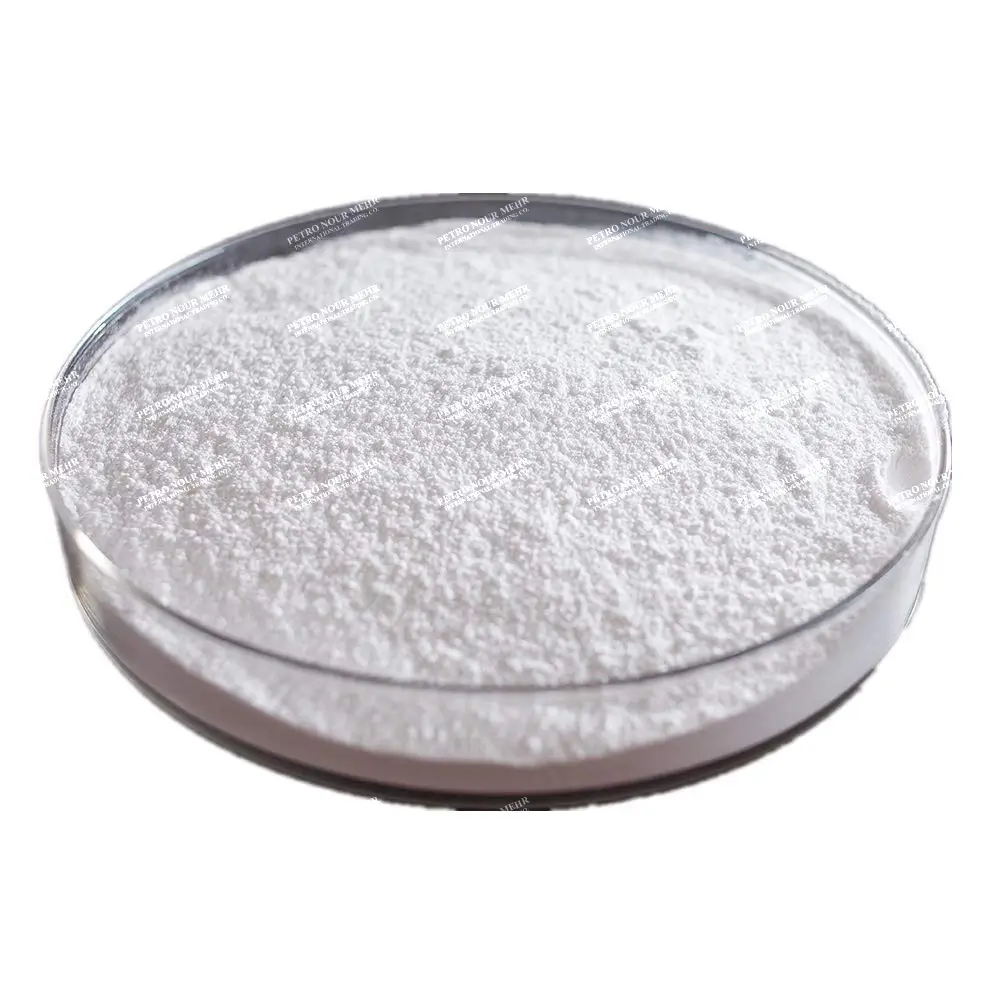
Analysis of Melamine grades
You can find the list of Melamine products in the table below:
To view other chemical products, you can click here.
Melamine Manufacturers in Iran
In the petrochemical industry of Iran, several companies and production units are engaged in the production of Melamine. These companies include:
- Khorasan Petrochemical Company
- Urmia Petrochemical Company
These units are also major producers of Melamine Chemical in Iran and contribute significantly to meeting both domestic demand and global market needs for this vital chemical.
Application of Melamine
Melamine is used in many industries and applications. Due to its favorable physical and chemical properties, this substance can be utilized in the following cases:
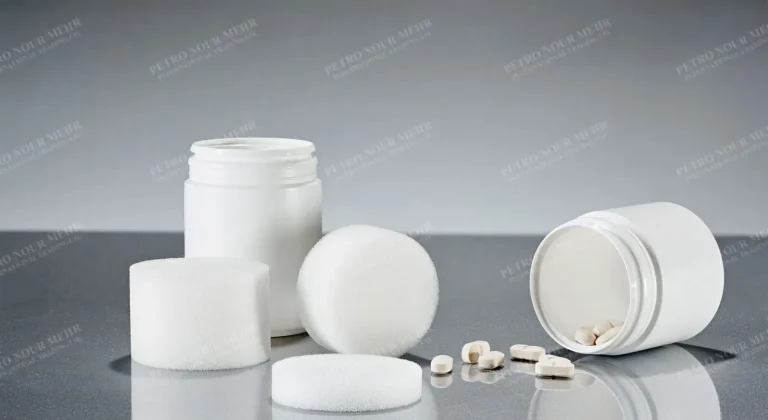
- Drug Production: This material can also be used in drug production. Typically, these products are used in the production of arsenic-containing drugs. One example of these drugs is Melarsoprol, which is used to treat African trypanosomiasis.
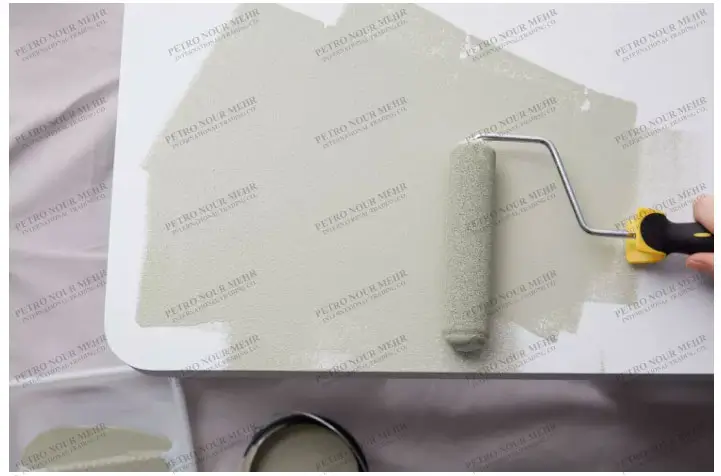
- Color and Paper Production: One of the wide-ranging applications of this material is its use in color production. This chemical product is commonly used in the production of amino colors, which are used in the production of bicycle and automotive paints, among others. Additionally, Melamine can be used in the paper industry to produce papers with significant transparency, waterproofness, and wrinkle resistance.
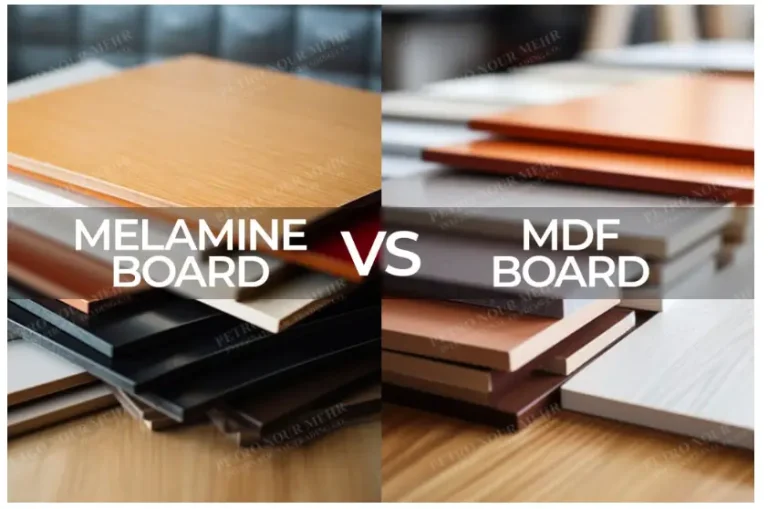
- Production of Wooden Panels and Molding Powders: This material is also used in the production of various high-performance products, including wooden panels and laminates. This substance is used in different types of coatings and molding powders. In the wood industry, Melamine helps enhance the beauty and resistance of wooden surfaces, providing heat and temperature resistance.
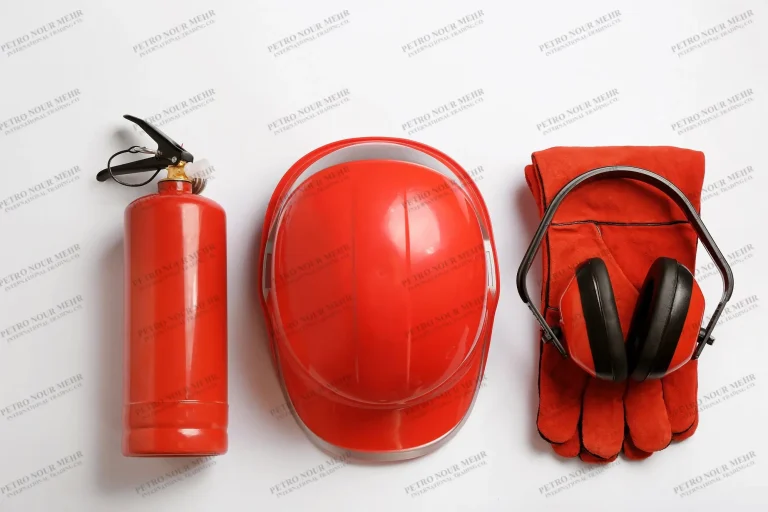
- Firefighting Application: This material is used in firefighting applications, typically in the production of flame retardants or materials with significant heat resistance.
- Application in Concrete Industries: This material is incorporated into the production of Melamine Sulfonate, which is used as a superplasticizer in the production of high-strength concrete. Melamine Sulfonate Formaldehyde is a polymer used as a cement admixture to reduce water content in concrete, while also improving fluidity and efficiency.
- Molding and Wood Glue Production: In the field of molding, Melamine is used in the production of melamine dinnerware and wood glue. Melamine-based wood glue has properties such as waterproofness, heat resistance, stable colors, and high adhesive strength.
- Chemical Fertilizer Production: In the past, this material was used to produce various types of chemical fertilizers, typically serving as a non-protein nitrogen source for livestock and their feed.
- Fabric Production: In the textile industry, this material is used in the production of fabrics that are waterproof and wrinkle-resistant. Moreover, it significantly increases the resistance of fabrics to factors such as washing.
Melamine is a key component in yellow pigments used for ink production and plastics. It also plays a crucial role in the leather industry by producing transparent, waterproof, and durable leather, while in the rubber industry, it enhances the adhesive properties and surface adhesion of rubbers. The Melamine price varies based on market demand, production costs, and the quality of the Melamine chemical. Companies looking to purchase Melamine for industrial purposes should consider Melamine producers that offer competitive prices and high-quality products.
Storage Conditions for Melamine
Storage conditions for this material may vary depending on its type and intended use. However, generally, the typical storage conditions for this chemical compound are as follows:
- Suitable Storage Temperature: The suitable temperature for storing this material is usually within the room temperature range (approximately 20-25 degrees Celsius). It’s essential to follow the specific guidelines provided by the manufacturer, as some products may require a specific temperature for storage.
- Protection from Sunlight and UV Light: This material should be protected from direct sunlight and UV light. Therefore, it is best to store it in a dark environment away from direct sunlight.
- Storage Environment: Typically, Melamine should be stored in a dry and cool environment. Some products may require storage in a moisture-free environment to maintain product integrity.
- Special Storage Conditions: For some specific cases, special storage conditions may be required. In such cases, refer to the manufacturer’s instructions.
- Packaging and Protection: Proper packaging is essential. Generally, Melamine is stored in sturdy and appropriate plastic or metal drums that prevent air and moisture penetration.
- Ventilation and Personal Protection: Ensure proper ventilation when using Melamine in confined spaces. When exposed to high concentrations of Melamine vapors, use appropriate respiratory protection, such as a mask, and suitable clothing.
- Skin Contact and First Aid: In case of skin contact, immediately wash with soap and water. Never use solvent solutions like acetone or benzene to remove this substance from the skin.
- Usage in Hazardous Environments: When using this material in hazardous environments or specific industries, such as oil and gas, chemicals, etc., refer to Material Safety Data Sheets (MSDS) and relevant guidelines.
- Chemical Interactions: When using this chemical compound in environments where potential interactions with other substances exist, conduct a thorough review and study of their chemical properties.
- Food and Pharmaceutical Applications: If this material is used for food and pharmaceutical applications, always adhere to relevant standards and guidelines and assess possible interactions with additives and other substances.
Using Melamine with caution and a complete understanding of its properties and safety considerations can minimize risks. Always follow the instructions provided by the product’s manufacturer and relevant standards. Note that these descriptions are general, and storage conditions may vary depending on the type and use of this material, so always pay attention to the instructions on the product packaging and manufacturer’s guidance.

Packaging for Melamine
For packaging and exporting this material, various methods can be employed depending on environmental conditions, product requirements, and transportation facilitation for export. The following are some typical ways that Melamine and Melamine derivatives are packaged and exported:
- Packaging in Jumbo Bags: This method is common for packaging Melamine powders, where the powders are packed into large bags with varying capacities (usually between 500 to 2000 kilograms). These bags are suitable for air, sea, and road transportation in addition to protecting the product from contamination and moisture.
- Packaging in Small Bags: In this method, Melamine powder is packed into smaller bags with capacities of approximately 20 to 25 kilograms.
- Use of Pallets: Melamine powders are often shipped on large pallets, which makes handling and transportation more efficient.
Choosing the right packaging and exporting strategy for Melamine can be accomplished with international packaging standards, labeling, and transportation requirements followed. It’s crucial to protect the product from environmental deterioration, shocks, and humidity during transportation. If you need the best Melamine Price, trusted suppliers can offer updated information on availability and pricing.
Producing Products Using Melamine at Manufacturers
Melamine producers such as Huntsman Corporation and OCI Chemical Corporation use Melamine as a key raw material in their production processes. Huntsman Corporation specializes in producing Melamine for applications in the manufacturing of resins, plastics, and coatings, offering high performance in industries like automotive, construction, and furniture. OCI Chemical Corporation also uses Melamine in the production of adhesives, laminates, and industrial coatings. Their competitive Melamine price reflects their efficient production processes and commitment to high-quality standards.
Melamine Characteristics
This material is a clear, colorless solid with a slightly crystalline texture and a mild, non-offensive odor. It is highly soluble in water and organic solvents, making it ideal for a variety of industrial applications. Melamine has a relatively high melting point and remains stable at room temperature, making it suitable for use in manufacturing processes such as the production of resins, plastics, and adhesives. It is considered safe for handling when used appropriately, and its chemical formula is C3H6N6.
This material is an organic compound with a hydrophilic (water-attracting) nature, which makes it effective in chemical synthesis, industrial processes, and various product formulations. With a molecular weight of approximately 126 g/mol, Melamine has a moderate viscosity compared to other chemicals, which aids in its use across multiple industries such as construction, automotive, and textiles.
Advantages and Disadvantages of Melamine
This material is widely used in many industries, offering both advantages and disadvantages:
Advantages
- Versatility: This material is a highly versatile chemical used in applications ranging from plastics and adhesives to coatings and laminates.
- Effective in Manufacturing: This material is widely used in the production of resins and plastics as a cross-linking agent, which enhances the strength and durability of the materials.
- High Demand in Construction: This material plays a significant role in the production of wood-based panels, particleboard, and laminates due to its durability and water resistance.
- Used in Industrial Processes: This material is employed in various industrial applications such as the production of coatings, laminates, and flame retardants.
- Contribution to Efficiency: Melamine improves the formulation of products, enhancing product stability and performance in various applications.
Disadvantages
- Potential Toxicity: This material can cause irritation if handled improperly, especially in high concentrations.
- Environmental Impact: Like other chemicals, improper disposal of Melamine can lead to contamination of water sources and soil, which may harm ecosystems.
- Cost: The price of Melamine can fluctuate based on market demand and production costs, affecting the overall cost of manufacturing in industries that require large amounts of this chemical.
In summary, while this material offers numerous advantages in industrial applications, its potential environmental impact and the importance of handling it correctly should not be overlooked. Additionally, businesses should stay informed on Melamine price and consult reliable suppliers for competitive Melamine price.
Physical and Chemical Properties of Melamine
This material exhibits several key physical and chemical properties that make it ideal for a variety of applications, particularly in the manufacturing, construction, and automotive industries. Here are some of its key properties:
Physical Properties
- Appearance: This material is a clear, colorless solid with a slightly crystalline texture.
- Odor: This material has a mild, non-offensive odor.
- Melting Point: This material remains solid under typical room temperature conditions, with a melting point of around 350°C.
- Boiling Point: The boiling point of Melamine is approximately 400°C, making it stable under high temperatures.
- Density: The density of Melamine is about 1.5 g/cm³, which is relatively high compared to many other organic compounds, influencing its flow properties.
Chemical Properties
- Reactivity: This material is stable under normal conditions but may react with strong acids, bases, or other reactive substances, forming different compounds. It should be handled carefully to avoid unwanted reactions.
- Stability: This material remains stable under typical conditions but should be stored away from extreme temperatures, light, and reactive chemicals to prevent degradation. Proper storage in a cool, dry place helps maintain its quality.
- Usage in Formulations: It is used in industrial and commercial products for enhancing stability, acting as a cross-linking agent, and improving the durability of materials.
- Environmental Impact: While biodegradable, improper disposal of Melamine can harm aquatic life. Responsible waste handling is necessary to minimize its environmental impact.
- Safety Considerations: This material should be handled with safety equipment like gloves and goggles. In case of contact, wash affected areas with soap and water, and seek medical attention if needed.
Overall, the physical and chemical properties of Melamine make it a crucial component in many industrial applications. However, like all chemicals, it requires proper handling and storage to ensure safety and maintain product quality.
Types of Melamine grades:
This material has various grades classified based on its physical, chemical, and application properties. Below are some of the types of grades for this substance:
- Phenolic Melamine: These types of this material are produced from the combination of formaldehyde with phenol and melamine. They exhibit high resistance to heat and chemicals and are commonly used in the manufacturing of automotive parts, kitchenware, and building industries.
- Urea Melamine: These melamines are made from the combination of formaldehyde with urea and melamine. They have suitable physical and chemical properties for applications such as impact-resistant products, water-resistant materials, and heat-resistant items.
- Melamine-Formaldehyde: These melamines are produced from the combination of formaldehyde with melamine-formaldehyde. They have high resistance to heat and chemical environments and are commonly used for coating and edge banding in furniture and cabinets.
- Modified Melamines: These melamines have special properties that have been improved through chemical modification during the production process. Examples of this type include high-resistance coating melamines, water-resistant melamines, and heat-resistant melamines.
There are different types of melamine with specific uses: Phenolic Melamine is heat and chemical-resistant, used in automotive and kitchenware. Urea Melamine is suitable for impact and water-resistant products. Melamine-Formaldehyde is used for coating in furniture due to its heat and chemical resistance. Modified Melamines have enhanced properties like water or heat resistance.
Comparison of different grades of Melamine
There are various types of melamine with distinct applications. Phenolic melamine is produced by combining formaldehyde with phenol and melamine, offering high resistance to heat and chemicals, making it ideal for automotive parts, kitchenware, and construction.
Urea melamine, made from formaldehyde, urea, and melamine, is suitable for impact-resistant, water-resistant, and heat-resistant products. Melamine-formaldehyde, produced from formaldehyde and melamine, is highly resistant to heat and chemicals, commonly used in furniture coating and edge banding. Modified melamines are chemically enhanced to provide special properties, such as high-resistance coatings, water-resistant, and heat-resistant melamines.
How to buy Melamine?
- Buy from a reputable and authorized supplier that holds necessary certifications and guarantees quality.
- Compare the prices of these materials in different markets and compare them with the global market price.
- Examine the sales conditions regarding quantity, delivery time, packaging, transportation methods, and payment terms.
- If you intend to import Melamine from foreign countries, investigate customs and legal regulations and comply with export and import regulations.
- Contact Petro Nour Mehr Company to obtain the most suitable export price based on your conditions.
- After signing the contract, you can place your order.
- Secure and suitable payment methods according to customer preferences are provided by the company.
- Then, the loading stage is completed by selecting and introducing a transport company.
- Necessary documents for customs clearance at the destination city are also provided to customers by Petro Nour Mehr Company.
- sales@petronourmehr.com
- +98 219-100-7557
For all inquiries, please don’t hesitate to contact our sales department using the form below.