
Polycarbonate is an amorphous thermoplastic that is naturally transparent, though it can also be found in a variety of colors. This material allows for the transmission of light nearly with the same capacity as glass. Its density is about 1.2 gr/cm3, and it has a melting point of 300 .
Polycarbonate granules are used for the production of various items, especially where impact resistance and transparency are important. For example, they are used in bulletproof glass, personal computers, plastic lenses in eyewear, medical devices, automotive parts, protective gear, greenhouses, digital discs, and outdoor lighting fixtures.
One major use of this material is in molding, due to its resistance to thermal changes, making it widely applicable. Polycarbonate granules can be easily shaped by heat without cracking or breaking.
You can create small angles in this polymer without using heat. These granules come in various sizes and are highly resistant to UV rays and impact. All these features have made polycarbonate widely used in different industries.
Unlike thermosets, this polymer softens with heat. One notable characteristic of this sheet is that it can be heated up to its melting point and then cooled down again without significant degradation. Instead of burning, polycarbonate turns into liquid, allowing it to be easily injected or recycled.
Exporting Polycarbonate to various countries with the best price has been one of the achievements of Petro Nour Mehr Company in recent years.
For more accurate information regarding prices or purchasing the product, it is better to contact the sales department of Petro Nour Mehr Company.

Analysis of Polycarbonate grades
You can find the list of Polycarbonate products in the table below:
To view other polymer products, you can click here.
Polycarbonate Manufacturers in Iran
Khouzestan Petrochemical and other domestic factories are producers of this polymer material in Iran.
These units are among the largest Polycarbonate producers in Iran and play a significant role in supplying domestic needs and exporting this material to global markets.
Polycarbonate Manufacturers Worldwide
Major Polycarbonate manufacturers worldwide include:
The annual global production of polycarbonate is approximately 4.4 million tons, with production figures in Asia reaching around 2.0 million tons, Europe around 1.5 million tons, and the United States around 0.9 million tons. The polycarbonate (PC) industry is one of the largest and most dynamic sectors, involving many companies worldwide. Some of the well-known polycarbonate manufacturers in the United States include:
- Covestro: This company has a long history of producing polycarbonate and other polymer materials. Covestro’s activities span various industrial and consumer sectors, particularly in construction and automotive industries.
- Arkema: Another reputable polycarbonate manufacturer in the U.S., Arkema supplies its polymer products to various industrial markets.
These manufacturers are just a few examples of companies involved in polycarbonate production globally. Additionally, there are numerous other companies in this industry that produce a variety of polycarbonate materials for diverse applications.
Applications of Polycarbonate
This material is a highly versatile thermoplastic polymer with a wide range of applications across various industries due to its unique combination of properties. Here are some of the key applications of polycarbonate:
Automotive Industry:
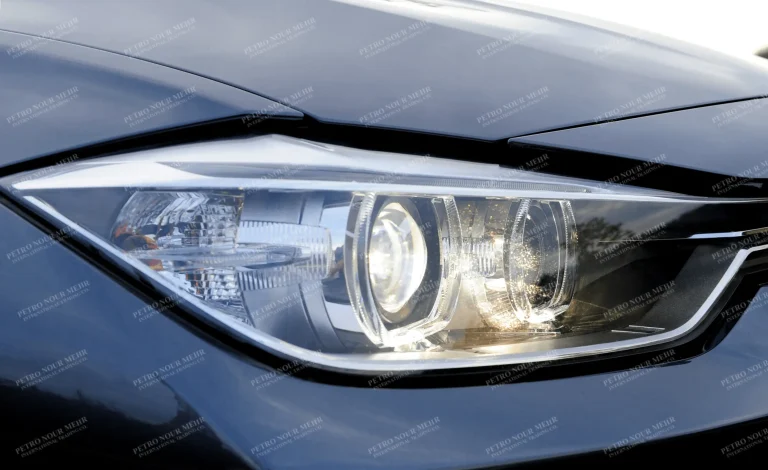
- Headlamp Lenses: Provides excellent clarity and impact resistance.
- Interior and Exterior Components: Used for dashboards, bumpers, and trim due to its strength and durability.
- Glazing: Lightweight and shatter-resistant alternative to glass for windows and sunroofs.
Construction and Architecture:
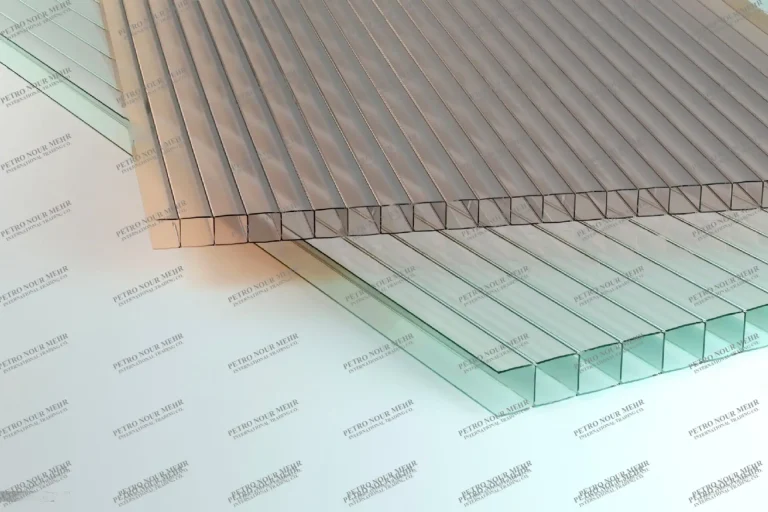
- Glazing and Roofing: Used in skylights, greenhouses, and conservatories for its transparency and UV resistance.
- Safety Glazing: Applied in buildings for windows and doors due to its impact resistance.
- Insulation Panels: Offers thermal insulation properties for energy-efficient buildings.
Electronics and Electrical:
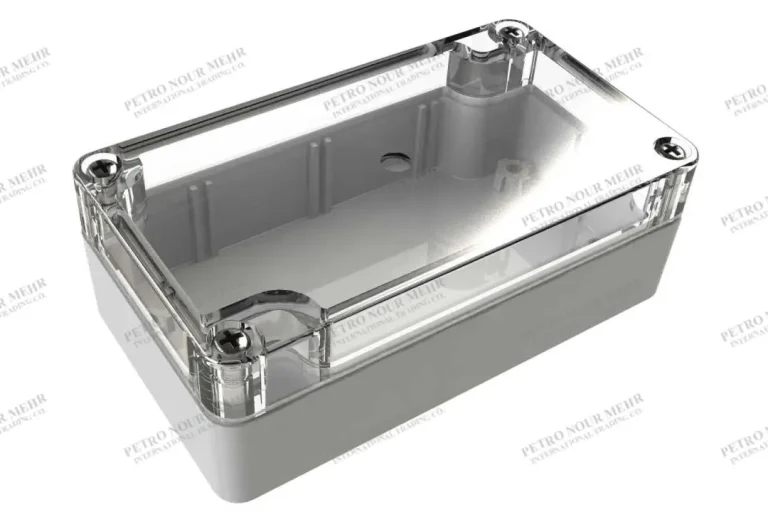
- Housings and Enclosures: Used for electronic devices, including laptops, smartphones, and power tools, due to its strength and flame retardancy.
- Connectors and Switches: Provides durability and electrical insulation properties.
- Optical Discs: Historically used in the production of CDs, DVDs, and Blu-ray discs.
Medical and Healthcare:
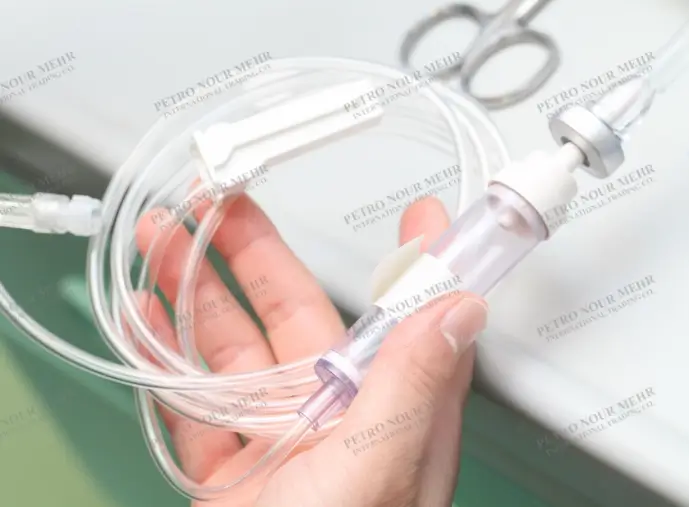
- Medical Devices: Utilized in syringes, blood filters, and IV components due to its biocompatibility and ability to be sterilized.
- Dental Equipment: Used in tools and devices that require clarity and durability.
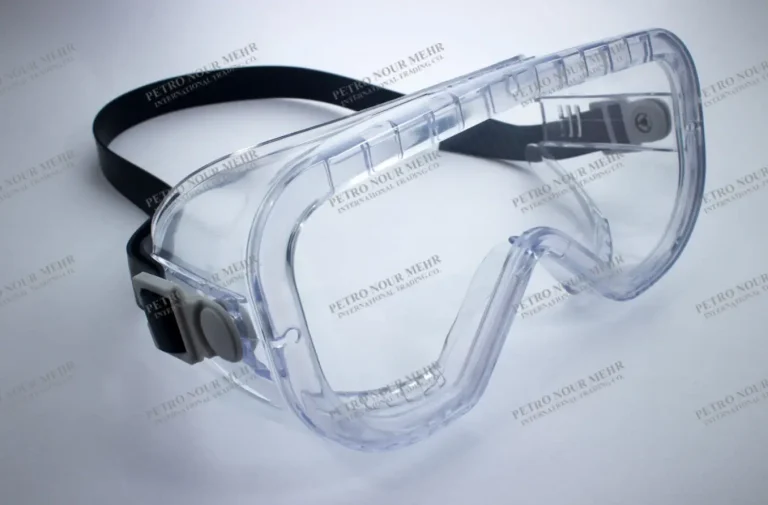
- Safety Equipment: Applied in face shields and protective glasses.
Consumer Goods:
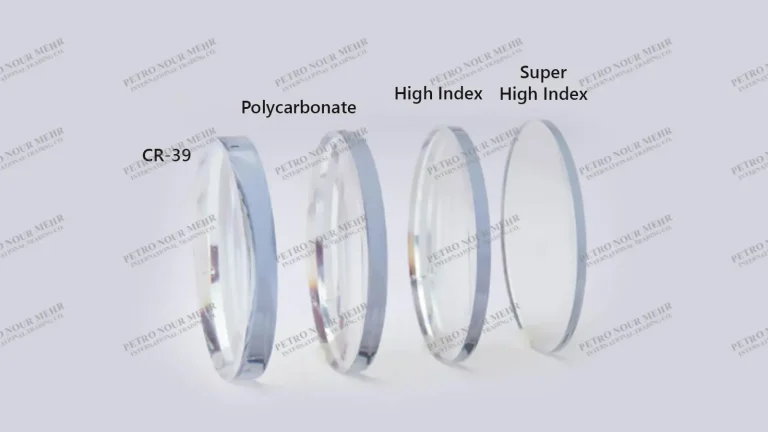
- Eyewear Lenses: Used in sunglasses and prescription glasses for its clarity and impact resistance.
- Sporting Goods: Applied in helmets, goggles, and other protective gear.
- Household Items: Used in kitchenware, water bottles, and food storage containers due to its safety and durability.
Optical Applications:
- Lenses and Optics: Utilized in camera lenses, optical fibers, and lighting fixtures for its clarity and precision molding.
- Lighting Covers and Diffusers: Provides excellent light diffusion and UV resistance for LED lights and luminaires.
Aerospace and Defense:
- Aircraft Components: Used in cockpit windows and interior components for its lightweight and impact resistance.
- Ballistic Applications: Applied in bulletproof glass and riot shields for its strength and transparency.
Industrial Applications:
- Machinery Guards: Used for protective barriers and machine guards due to its impact resistance.
- Signage: Applied in outdoor and indoor signs for its durability and weather resistance.
- Prototyping: Used in 3D printing and CNC machining for creating durable prototypes and parts.
Storage Conditions for Polycarbonate
This grade with low density can be stored under various conditions, but there are some guidelines for better preservation of its quality:
- It is ideal to keep these materials dry and cool; a temperature of less than 30 is preferable for storage.
- Keep this polymer material out of direct sunlight and ultraviolet light, since these sources of light may alter its chemical and physical characteristics.
- These substances react with acids and solvents, among other compounds. It is therefore recommended to stay away from direct contact with these kinds of compounds.
- During storage and transportation, ensure that this material is protected from scratches and impacts, as physical damages can lead to changes in its structure and mechanical properties.
- Packaging for this grade should be made of suitable material to protect it from environmental changes and reduce the penetration of water and air into the packaging.
Packaging for Polycarbonate
To package and export PC granules, various methods can be employed depending on environmental conditions, product requirements, and transportation facilitation for export. Below are some common methods for packaging and exporting these polymer granules:
Packaging in Jumbo Bags: This is a common method for packaging PC granules, where the granules are packed in large bags with varying capacities (usually between 500 to 2000 kilograms). These bags protect the product from contamination and moisture and are suitable for road, sea, and air transport.
Packaging in Small Bags: In this method, the PC granules are packed in smaller bags with a capacity of around 25 to 50 kilograms. These bags are used for local shops and markets or for small shipments.
Using Pallets: PC granules are often packaged on large pallets. This method is utilized for transportation purposes.
Adhering to international standards for packaging, labeling, and transportation conditions is crucial in selecting the appropriate method for packaging and exporting PC granules. Additionally, it is important to ensure product protection against shocks, moisture, and environmental damage during transportation.
Advantages and Disadvantages of Polycarbonate
Although this material has many properties and uses, it has advantages and disadvantages, some of which are mentioned below:
Advantages of Polycarbonate:
- High Impact Resistance: It is known for its exceptional toughness and resistance to impact. This makes it suitable for applications where durability and safety are critical, such as in bulletproof glass and protective gear.
- Transparency: This material can transmit light almost as effectively as glass, making it an excellent choice for applications requiring clear, transparent materials, such as in optical lenses, windows, and display screens.
- Lightweight: Despite its strength, polycarbonate is significantly lighter than glass and many other materials, which is advantageous in applications like eyewear, automotive parts, and electronic devices.
- Thermal Resistance: This material can withstand high temperatures without deforming, which makes it suitable for use in environments that experience significant heat, such as in certain industrial and lighting applications.
- Ease of Fabrication: Polycarbonate can be easily molded and thermoformed without cracking or breaking. This makes it highly versatile for manufacturing complex shapes and components.
- UV Resistance: With appropriate additives, polycarbonate can be made resistant to ultraviolet (UV) radiation, which helps maintain its clarity and mechanical properties when used outdoors.
- Flame Retardancy: It is inherently flame retardant, which adds to its safety profile in applications where fire resistance is important.
Disadvantages of Polycarbonate:
- Scratch Sensitivity: This Material surfaces can be easily scratched compared to harder materials like glass. This necessitates the use of coatings or additional treatments to improve scratch resistance in applications like eyewear lenses and phone screens.
- Chemical Sensitivity: This material is susceptible to attack by certain chemicals, including some solvents and cleaners. This limits its use in environments where it might come into contact with such substances.
- Cost: It is more expensive than some other plastics, such as acrylic. This higher cost can be a limiting factor in its use for certain applications, especially where cost efficiency is a priority.
- Limited Resistance to UV Light (Without Additives): While this material can be treated for UV resistance, untreated polycarbonate tends to degrade and discolor when exposed to prolonged UV light. This requires additional processing and materials, which can increase costs.
- Brittleness at Low Temperatures: It can become brittle at very low temperatures, which can be a disadvantage in applications exposed to extremely cold environments.
- Environmental Concerns: As with many plastics, this material is derived from petroleum and can contribute to environmental pollution if not properly recycled or disposed of.
Overall, polycarbonate’s unique combination of properties makes it an invaluable material for many high-performance applications, but its limitations must be considered in the context of specific use cases.
Physical and Chemical Properties of Polycarbonate:
This material is a highly versatile thermoplastic known for its excellent impact resistance, transparency, and good mechanical and thermal properties. It is widely used in applications ranging from optical lenses and automotive parts to building materials and electronic components. Despite its many advantages, it requires stabilization to protect against UV radiation and is sensitive to certain chemicals. This material has physical and Chemical properties, some of which are mentioned below:
Physical Properties:
- Density: Approximately 1.20-1.22 g/cm³, making it a lightweight material compared to glass and other plastics.
- Transparency: Naturally transparent, allowing up to 90% light transmission, which is comparable to glass.
- Impact Resistance: Extremely high impact resistance, often cited as being nearly 200 times greater than glass, which makes it highly resistant to shattering.
- Tensile Strength: Ranges from 55 to 75 MPa, providing good mechanical strength for various applications.
- Flexural Strength: Approximately 90 to 100 MPa, indicating good flexibility and the ability to withstand bending forces.
- Elongation at Break: Around 100-150%, indicating that polycarbonate can undergo significant deformation before breaking.
- Thermal Expansion Coefficient: About 65-70 x 10-6 /°C, which measures how much the material expands or contracts with temperature changes.
- Glass Transition Temperature (Tg): Approximately 147 °C, above which the material becomes more rubbery and flexible.
- Melting Temperature (Tm): Around 267 °C, although it can degrade before it actually melts.
- Heat Deflection Temperature: Approximately 130 °C at 0.45 MPa, which is the temperature at which the material deforms under a specified load.
- Water Absorption: Low, typically less than 0.3%, indicating good moisture resistance.
- UV Resistance: This material can degrade under prolonged UV exposure unless treated with stabilizers or coatings.
Chemical Properties:
- Chemical Structure: It is a polymer made from bisphenol A (BPA) and phosgene (COCl2). The repeating unit in the polymer chain contains carbonate groups (-O-(C=O)-O-).
- Solubility: Insoluble in water but can be dissolved in certain organic solvents like methylene chloride and chloroform.
- Chemical Resistance: Resistant to many acids, alcohols, and oils but can be attacked by alkalis and some organic solvents.
- Flammability: Generally considered flame-retardant and self-extinguishing. It produces a yellow flame and burns with a sooty smoke.
- Stability: This material is stable under a wide range of temperatures and environmental conditions, but it can undergo hydrolysis in the presence of water at high temperatures and can degrade under strong UV radiation without stabilizers.
- Electrical Properties: Good electrical insulation properties, with a dielectric strength of about 16-22 kV/mm, making it suitable for electrical and electronic applications.
Types of Polycarbonate grades:
Polycarbonate (PC) is available in various grades tailored to meet the specific needs of different applications. Here are the main types of polycarbonate grades:
General Purpose Polycarbonate (GP-PC):
- Applications: Used in a wide range of general applications.
- Properties: Offers a balance of mechanical properties, optical clarity, and impact resistance.
Optical Grade Polycarbonate:
- Applications: Used for optical lenses, eyewear, and lighting covers.
- Properties: Superior optical clarity, high light transmission, and low haze.
UV Stabilized Polycarbonate:
- Applications: Outdoor applications such as greenhouse panels, skylights, and outdoor signage.
- Properties: Enhanced resistance to UV radiation to prevent yellowing and degradation.
Flame Retardant Polycarbonate:
- Applications: Electrical and electronic components, enclosures, and housings.
- Properties: Formulated to meet various flame retardancy standards (e.g., UL94 V-0).
Reinforced Polycarbonate:
- Applications: Automotive parts, structural components, and high-strength applications.
- Properties: Contains fillers such as glass fibers or carbon fibers to enhance mechanical strength and stiffness.
Medical Grade Polycarbonate:
- Applications: Medical devices, lab equipment, and healthcare products.
- Properties: Biocompatible, sterilizable, and compliant with medical regulations.
Electrically Conductive Polycarbonate:
- Applications: Electronics, antistatic devices, and EMI/RFI shielding.
- Properties: Modified to dissipate static electricity and conduct electrical charges.
High Heat Polycarbonate:
- Applications: Applications requiring high-temperature resistance such as automotive lighting and industrial components.
- Properties: Enhanced thermal stability and heat resistance.
High Flow Polycarbonate:
- Applications: Complex moldings and thin-walled parts.
- Properties: Improved flow characteristics for easier processing and better mold filling.
Impact Modified Polycarbonate:
- Applications: Safety helmets, protective gear, and sports equipment.
- Properties: Enhanced impact resistance for greater durability.
Transparent Polycarbonate:
- Applications: Glazing, light diffusers, and optical applications.
- Properties: Exceptional clarity and transparency.
Blended Polycarbonate:
- Applications: Varies widely depending on the blend, such as PC/ABS for automotive parts.
- Properties: Combines properties of polycarbonate with other polymers for improved performance.
Each grade of polycarbonate is engineered to provide specific properties that cater to particular industrial needs, making it a highly versatile material for various applications.
- Buy from a reputable and authorized supplier that holds necessary certifications and guarantees quality.
- Compare the prices of these materials in different markets and compare them with the global market price.
- Examine the sales conditions regarding quantity, delivery time, packaging, transportation methods, and payment terms.
- If you intend to import Polycarbonate from foreign countries, investigate customs and legal regulations and comply with export and import regulations.
- Contact Petro Nour Mehr Company to obtain the most suitable export price based on your conditions.
- After signing the contract, you can place your order.
- Secure and suitable payment methods according to customer preferences are provided by the company.
- Then, the loading stage is completed by selecting and introducing a transport company.
- Necessary documents for customs clearance at the destination city are also provided to customers by Petro Nour Mehr Company.
- sales@petronourmehr.com
- +98 219-100-7557
For all inquiries, please don’t hesitate to contact our sales department using the form below.