
Sodium Carbonate (Soda Ash)
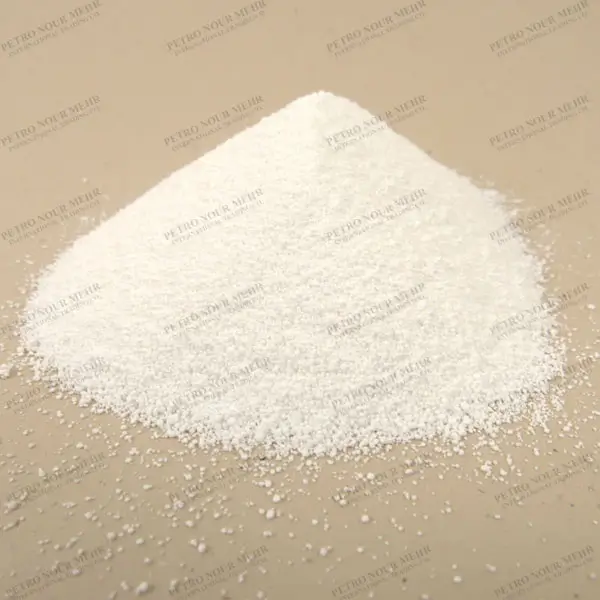
Soda Ash is a crucial chemical compound used in a wide range of industries. Often referred to as Soda Ash Chemical or Sodium Carbonate Chemical, it is primarily produced through the Solvay process, using limestone, salt, and ammonia. Soda Ash plays an essential role in the production of glass, detergents, chemicals, water treatment and as a pH regulator in various industrial applications. It is also widely used in the manufacturing of soaps, textiles, and cleaning products.
Petro Nour Mehr Company has established itself as a leading exporter of Soda Ash and Sodium Carbonate, offering top-quality products at competitive prices. With an impressive global presence, the company has earned a strong reputation for its reliability and customer satisfaction.
For the best Soda Ash price, as well as detailed information on pricing, purchasing options, and the latest market trends, please contact the sales department of Petro Nour Mehr Company for the most up-to-date offers and expert assistance.
To view other chemical products, you can click here.
Soda Ash Manufacturers in Iran
Some of the most well-known and reputable factories in Iran are leading producers of Soda Ash, contributing significantly to both domestic and international markets.
These units are among the largest Soda Ash producers in Iran and play a significant role in meeting domestic needs and exporting this product to global markets at competitive prices.
Applications Soda Ash
This chemical substance, often used in the form of white powder, is employed in various industries such as textiles for pH adjustment, and in cleaning and hygiene products such as fungicides and antimicrobials, among others. Here are some of its applications:
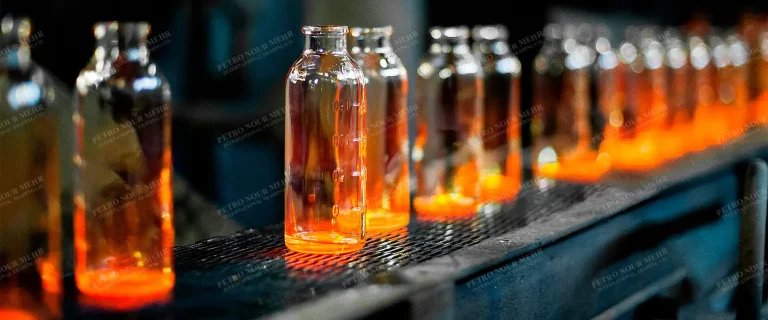
- Glass manufacturing: One of the primary uses of this material is in the glassmaking industry. This compound serves as a flux for silica in glassmaking. By adding this Soda Ash Chemical, the melting point of the mixture increases and it is recognized as a melting aid. As mentioned, Sodium Carbonate dissolves in water, so to prevent glass from becoming insoluble, some calcium carbonate is added to the mixture. The glasses used in bottling are produced from a mixture of this material, calcium carbonate, and silica sand, known as soda-lime glass.
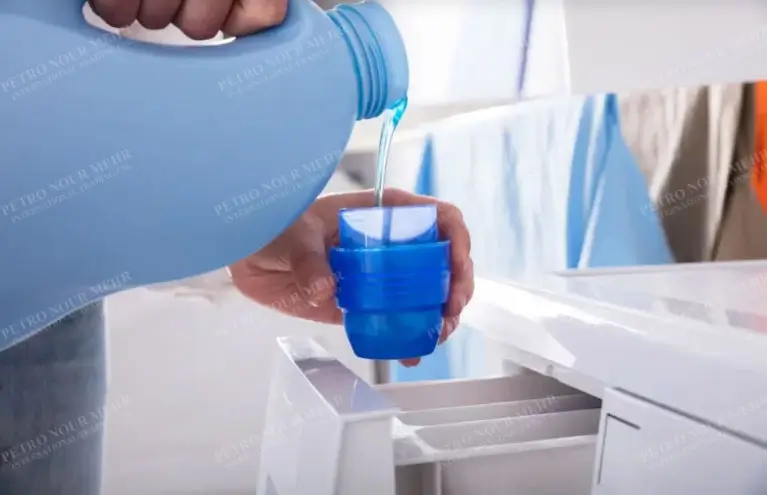
- Production of detergents: Sodium Carbonate Chemical can disinfect substances and also has the ability to penetrate and break down fatty bonds. Moreover, it can soften water. Due to these properties, this chemical substance is used in many detergents such as dishwashing liquid, laundry detergent, glass cleaner, all-purpose cleaner for surfaces, and more. The detergents produced from this material also have environmental compatibility.
- Food additive and dietary supplement: It is compatible with the body’s immune system and can also be used as an acidity regulator and anti-corrosive agent. Its use in foodstuffs creates a particular taste and flavor.
Additionally, this substance is used to regulate the pH of certain food products. This compound is also used in some pharmaceuticals such as certain syrups and contributes to the cooling sensation when drinking some syrups due to the presence of this substance and weakened acids (usually citric acid). In some countries like China, it is used to produce bread and Chinese noodles.

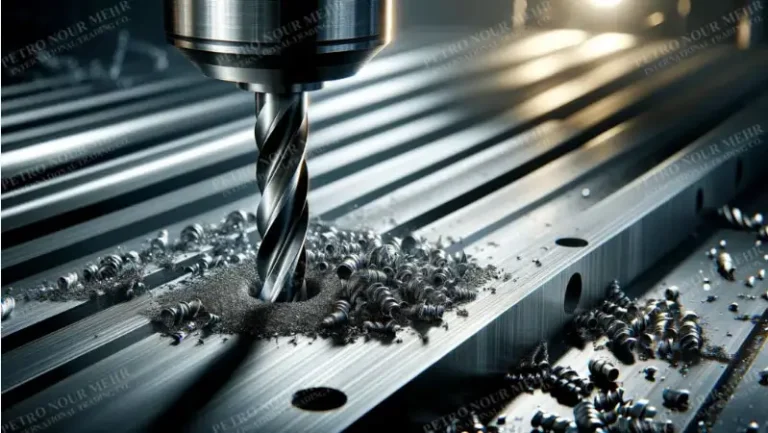
- Drilling: This material is one of the essential materials in the drilling industry with important applications. Among its main applications in drilling is the regulation of the drilling environment’s pH.
By adjusting the pH to suitable levels, problems arising from pH changes in various drilling environments can be prevented. Furthermore, soda acts as a flocculant to reduce the accumulation of sediments and disperse sedimentary materials in the drilling process. Moreover, this compound can prevent the formation of undesirable substances and unintended chemical changes in drilling environments. In some cases, the use of Soda Ash can help reduce surface pressure in drilling wells and prevent problems.
- Chemical synthesis: Due to its cheaper cost and safer and more effective application, Sodium Carbonate is used as a basic and fundamental substance in many chemical syntheses. It is used for the production and combination of substances.
This compound is used as an alkali in many chemical reactions as an alkaline substance. For example, in the production and development of films and photographs, it is used as a pH regulator and to determine alkaline and stability conditions.

- Water softener: One of the important properties of Sodium Carbonate is its ability to convert hard water into soft water. By dissolving in water, this compound removes magnesium and calcium ions, thus converting hard water into soft water. Water containing magnesium and calcium ions or carbonate salts is called hard water. Hard water prevents soap detergents from working well, causes scaling, delays cooking of food, and sometimes leaves a raw residue.
These are just a few examples of the many applications of Soda Ash in various industries. Its versatility and ability to perform in a wide range of processes make Sodium Carbonate a valuable material in manufacturing.
Whether it’s in glass production, detergent manufacturing, or water treatment, Soda Ash plays a critical role in enhancing the efficiency and quality of these processes. However, it’s important to recognize the need for proper handling and safety measures when working with Sodium Carbonate Chemical. Taking the necessary precautions ensures that risks to human health and the environment are minimized while maximizing the benefits of this essential substance.
Storage Conditions for Soda Ash
The storage conditions for Soda Ash are crucial to ensure its stability and safety. Here are the key storage guidelines for Sodium Carbonate:
- Temperature: This material should be stored at temperatures below 25°C to prevent any degradation or changes in its chemical properties. Avoid exposure to high temperatures, as elevated temperatures can affect the quality of Soda Ash and accelerate any undesired reactions.
- Humidity: Soda Ash should be stored in a dry environment to prevent moisture absorption, which can lead to caking and changes in its chemical structure. Maintain low humidity levels in the storage area to preserve the quality and consistency of this material.
- Ventilation: Adequate ventilation is essential in the storage area to prevent the accumulation of dust particles and to maintain air quality. Ensure good airflow to minimize the concentration of airborne particles and reduce the risk of inhalation exposure.
- Light: Soda Ash should be stored in opaque containers or in a dark environment to protect it from prolonged exposure to light. While it is not as light-sensitive as some other chemicals, light exposure over time can still affect the material and its packaging.
- Compatibility: Store this material away from incompatible substances such as acids and strong oxidizers. Avoid contact with substances that could react with Sodium Carbonate, as this could lead to chemical reactions or unwanted by-products.
- Container: It should be stored in tightly sealed containers made of suitable materials such as plastic or metal that are compatible with Soda Ash. Containers should be properly labeled and checked for damage to avoid leakage or contamination.
- Handling: Exercise caution when handling Soda Ash to minimize the risk of exposure. Use appropriate personal protective equipment (PPE), such as gloves, goggles, and respiratory protection, when handling this material. Always follow safe handling procedures and avoid direct contact with skin or inhalation of dust.
By following these storage guidelines, you can maintain the quality and safety of Soda Ash throughout its storage period.

Packaging for Soda Ash
For packaging and exporting this material, various methods can be employed depending on environmental conditions, product requirements, and transportation facilitation for export. The following are some typical ways that Soda Ash powders are packaged and exported:
- Packaging in Jumbo Bags: This method is common for packaging Soda Ash powders, where the powders are packed into large bags with varying capacities (usually between 500 to 2000 kilograms). These bags are appropriate for air, sea, and road transportation in addition to protecting the product from contamination and moisture.
- Packaging in Small Bags: In this method, Sodium Carbonate powder is packed into smaller bags with capacities of approximately 20 to 25 kilograms.
- Use of Pallets: Soda Ash powders are often shipped on large pallets.
Choosing the right packaging and exporting strategy for this Sodium Carbonate powder can be accomplished with such international packaging standards, labeling, and transportation requirements followed. It’s crucial to think about protecting the product from environmental deterioration, shocks, and humidity while it’s being transported.
Producing Products Using Soda Ash at Manufacturers
Soda Ash producers such as Genesis Alkali and Solvay Chemicals, Inc. use Sodium Carbonate as a key raw material in their production processes. Genesis Alkali specializes in Soda Ash used in glass manufacturing, detergents, and water treatment, ensuring high performance across industries like construction and automotive. Solvay Chemicals, Inc. operates facilities in the U.S., providing Soda Ash for industries such as automotive, electronics, and aeronautics. Their competitive Soda Ash price demonstrates their efficient and sustainable operations in meeting both global and domestic demands for Sodium Carbonate. These companies integrate Soda Ash into their processes to create products for various industries.
Soda Ash Characteristics
Soda Ash (Sodium Carbonate) is a white, odorless powder or granular solid that is highly soluble in water. It has a high melting point and is stable at room temperature, making it suitable for a wide range of industrial applications. Soda Ash is hygroscopic, meaning it can absorb moisture from the air, which can lead to clumping. Its chemical formula is Na₂CO₃.
Soda Ash is an inorganic compound with strong alkalinity, which makes it effective in adjusting the pH of solutions. With a molecular weight of 105.99 grams per mole (g/mol), Soda Ash has a relatively high density. It is widely used in the production of glass, detergents, chemicals, and in water treatment processes, playing a vital role in industries such as construction, automotive, and textiles.
Advantages and Disadvantages of Soda Ash
This material is a chemically important compound with various advantages and disadvantages, including:
Advantages
- Versatile Usage: Soda Ash is widely used in industries such as glassmaking, detergent production, soap manufacturing, water and wastewater treatment, food production, pharmaceuticals, etc., making it a versatile compound with diverse applications across various industrial processes. Its primary application includes pH regulation in chemical and industrial processes, improving the efficiency of chemical reactions by adjusting the environment’s pH.
- Strong Base in Chemical Reactions: Soda Ash acts as a relatively strong base in chemical reactions, serving as a catalyst or active substance in various chemical processes.
Disadvantages
- Limitations on Processes: In some cases, Soda Ash may impose limitations on the transparency, dispersion, and physical combination of processes.
- Health Risks: Excessive and unjustified consumption of Soda Ash can lead to poisoning and serious side effects on human health, emphasizing the importance of its proper and necessary use.
- Environmental Impact: In certain scenarios, the use of Soda Ash Chemical may have negative environmental impacts, especially when large amounts are released into the environment and its natural decomposition ability is limited.
- Smart Management: In conclusion, this material, with its multifaceted applications, requires smart management and prudent use to harness its benefits while mitigating its drawbacks.
While Sodium Carbonate is crucial in many industrial sectors, it is essential to monitor Sodium Carbonate Price and ensure responsible use to avoid unnecessary waste and risks. Additionally, it is important to stay informed about Soda Ash Price in the market to optimize production costs.
Physical and Chemical Properties of Soda Ash
This material has both physical and chemical properties that make it ideal for various industrial applications, particularly in glass production, detergents, water treatment, and other chemical processes. Here are some of its key properties:
Physical Properties
- Appearance: Soda Ash is typically a white, odorless powder or granular solid, which may appear as a crystalline form depending on temperature and humidity.
- Odor: Soda Ash is odorless, making it easy to handle and use in various applications without any concern of strong chemical odors.
- Melting Point: The melting point of Soda Ash is around 851°C, which makes it stable at high temperatures and ideal for applications that require heat resistance.
- Boiling Point: Soda Ash does not have a defined boiling point, as it decomposes at high temperatures rather than boiling.
- Density: The density of Soda Ash is approximately 2.5 g/cm³, which is relatively high compared to other salts, contributing to its role in various industrial processes.
Chemical Properties
- Reactivity: Soda Ash is highly alkaline and reacts with acids to form salts and water. It also reacts with certain metals, especially in the presence of water, forming hydroxides.
- pH Regulation: One of the most important chemical properties of Soda Ash is its ability to regulate pH, especially in water treatment processes, making it an essential substance for adjusting pH levels.
- Solubility: Soda Ash is highly soluble in water, forming an alkaline solution that is used for a variety of purposes, including cleaning and pH adjustment. It is generally insoluble in organic solvents.
- Stability: Soda Ash is stable under normal conditions but can absorb moisture from the air, which may cause it to clump. Care should be taken to store it in dry conditions to maintain its quality and ease of use.
Overall, the physical and chemical properties of Soda Ash make it a valuable component in many industrial applications. However, its alkalinity and potential hazards require proper handling to ensure safety and product quality.
Types of Soda Ash Grades
This material is typically available in different grades, which may vary slightly in their chemical composition, purity, and properties. The two main types of Soda Ash grades commonly found in the market are:
- Light Sodium Carbonate: Light Sodium Carbonate, also known as soda ash light, is a chemical compound with the formula Na₂CO₃. It has a molecular weight of 105.99 gr/mole and exists as a solid at normal temperatures, typically white to colorless and odorless. Light sodium carbonate finds applications in various industries, including pH regulation in industrial processes, glass production, water and wastewater treatment, metal refining, detergent and soap manufacturing, copper and steel industries, food production, cosmetics, and hygiene products. Due to its unique chemical properties, this compound is considered essential and widely used in different industries. It is usually produced in powdered form and is commonly known as rapid sodium carbonate.
- Dense Sodium Carbonate: Dense Sodium Carbonate, also referred to as sodium carbonate dense, is a chemical compound with the formula Na₂CO₃, belonging to the sodium carbonate family with a higher density compared to its light counterpart. It is typically produced in solid powdered form. Dense sodium carbonate is utilized in various industries, serving as an important compound. Common applications include pH regulation in industrial processes, water and wastewater treatment, glass production, metal refining, detergent and soap manufacturing, copper and steel industries, food production, cosmetics, and hygiene products. Due to its specific characteristics, this type of sodium carbonate is produced as solid crystals or compact particles. It is used in industries requiring high-purity sodium carbonate, such as the production of crystal and metallic glass.
These two grades are the most widely used, but other variations may exist depending on specific manufacturer specifications and customer requirements. The choice of Soda Ash grade depends on factors such as the intended application, desired performance characteristics, and regulatory compliance considerations.
Comparison of types of Soda Ash
The primary difference between heavy and light Soda Ash lies in their density, particle size, and applications. Both have identical chemical compositions, but heavy Soda Ash has a higher density and is typically used in industries such as glass manufacturing, metal refining, and detergent production, where larger particles prevent dust formation. Light Soda Ash, with a lower density, is commonly used in applications that require finely dispersed powder, such as detergent and soap manufacturing, water treatment, and glass production. Heavy Soda Ash appears as a more concentrated powder, while light Soda Ash is lighter and finer in texture.
How to buy Soda Ash?
- Buy from a reputable and authorized supplier that holds necessary certifications and guarantees quality.
- Compare the prices of these materials in different markets and compare them with the global market price.
- Examine the sales conditions regarding quantity, delivery time, packaging, transportation methods, and payment terms.
- If you intend to import Soda Ash from foreign countries, investigate customs and legal regulations and comply with export and import regulations.
- Contact Petro Nour Mehr Company to obtain the most suitable export price based on your conditions.
- After signing the contract, you can place your order.
- Secure and suitable payment methods according to customer preferences are provided by the company.
- Then, the loading stage is completed by selecting and introducing a transport company.
- Necessary documents for customs clearance at the destination city are also provided to customers by Petro Nour Mehr Company.
- sales@petronourmehr.com
- +98 219-100-7557
For all inquiries, please don’t hesitate to contact our sales department using the form below.