XPS Compound: Export-Ready with Flexible Payment Options
Datasheet of XPS Compound
At Petro Nour Mehr International Co., we supply XPS Compound formulated with high-quality raw materials, including GPPS 1540 and 1460 from Tabriz Petrochemical, GPPS 1551 from Takht Jamshid Petrochemical, and EPS from Baniar Petrochemical.
Our XPS compound solutions deliver high compressive strength, lightweight handling, and excellent thermal resistance, helping you achieve reliable, high-standard insulation for construction and industrial projects. You can download the datasheet for this compound here for more detailed specifications.
Special Export Offer
We specialize in helping you choose the best transportation options if you want to import HDPE 3840 Compound to your country. We guarantee prompt delivery of all relevant documentation to ensure a smooth customs clearance at your destination.
Furthermore, we provide various payment terms adapted to your specific requirements, assuring a secure transaction. For example, Russian consumers can pay in Russian Rubles, whereas clients from other areas can pay in cash or by bank transfers through our offices in Dubai or Turkey.
Our dedicated team is always available to guide you through each step of the process, from selecting the best shipping methods to handling payments and documentation.
Price Inquiry Form
XPS Compound Production Process
In the production process of our XPS Compound, we use high-quality materials sourced from leading petrochemical companies. Our formulations are designed to deliver exceptional thermal insulation, moisture resistance, and durability, ensuring that our XPS products meet the highest industry standards.
A key element of our XPS compound production is the careful selection of raw materials, including GPPS grades optimized for thermal insulation. We prioritize materials that offer superior compressive strength and lightweight handling, guaranteeing reliable performance and ease of installation for insulation applications.
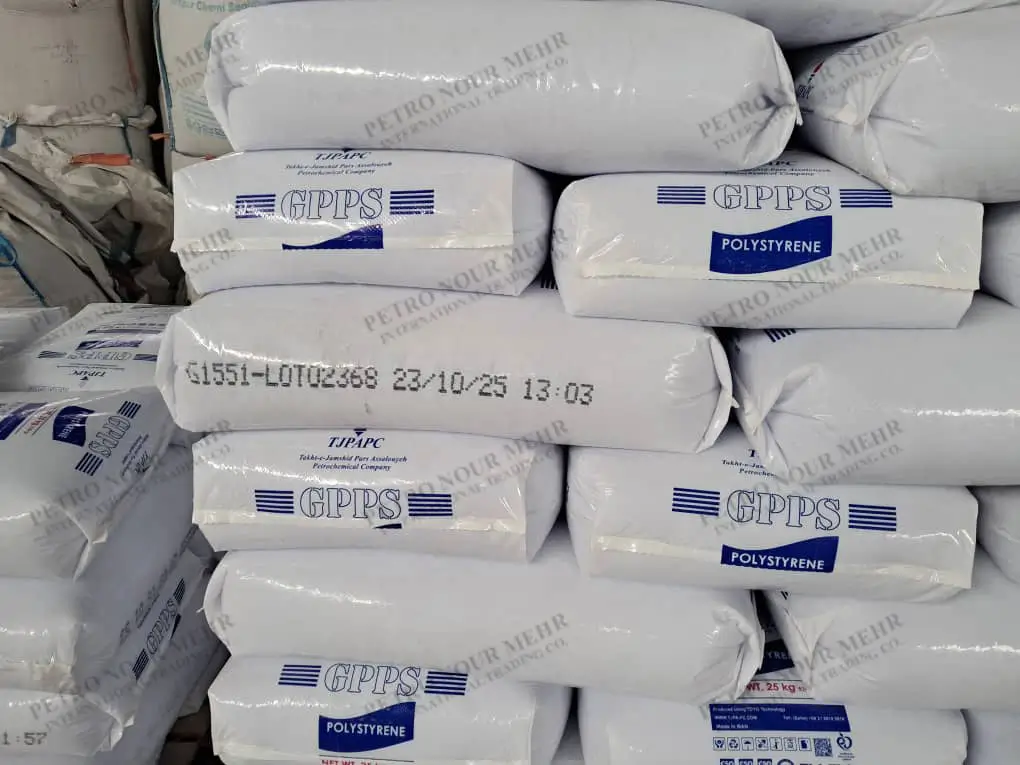
GPPS1551 From Takhte Jamshid Petrochemical
To enhance both performance and surface quality, we incorporate selected additives into our XPS formulation. These additives improve mechanical strength, provide UV resistance, and protect the insulation from long-term degradation, especially in applications exposed to sunlight or harsh weather conditions.
Our production process emphasizes precision and strict quality control at every stage. Using advanced technology and thorough testing, we ensure each batch of XPS compound consistently meets our standards. This commitment to quality enables us to deliver reliable insulation solutions for a wide range of construction and industrial applications.
In addition to color masterbatches, we use specialized additives to enhance the performance and functional properties of our XPS compound. These additives improve durability, processing stability, and resistance to environmental factors such as heat, UV exposure, and moisture.
Next, the blended raw materials and masterbatches are fed into a twin-screw extruder to ensure complete melting and uniform dispersion. This homogeneous structure enhances the mechanical and thermal performance of the XPS compound while minimizing weak points. Throughout this stage, key parameters, such as temperature and pressure, are continuously monitored to maintain consistent compound quality.
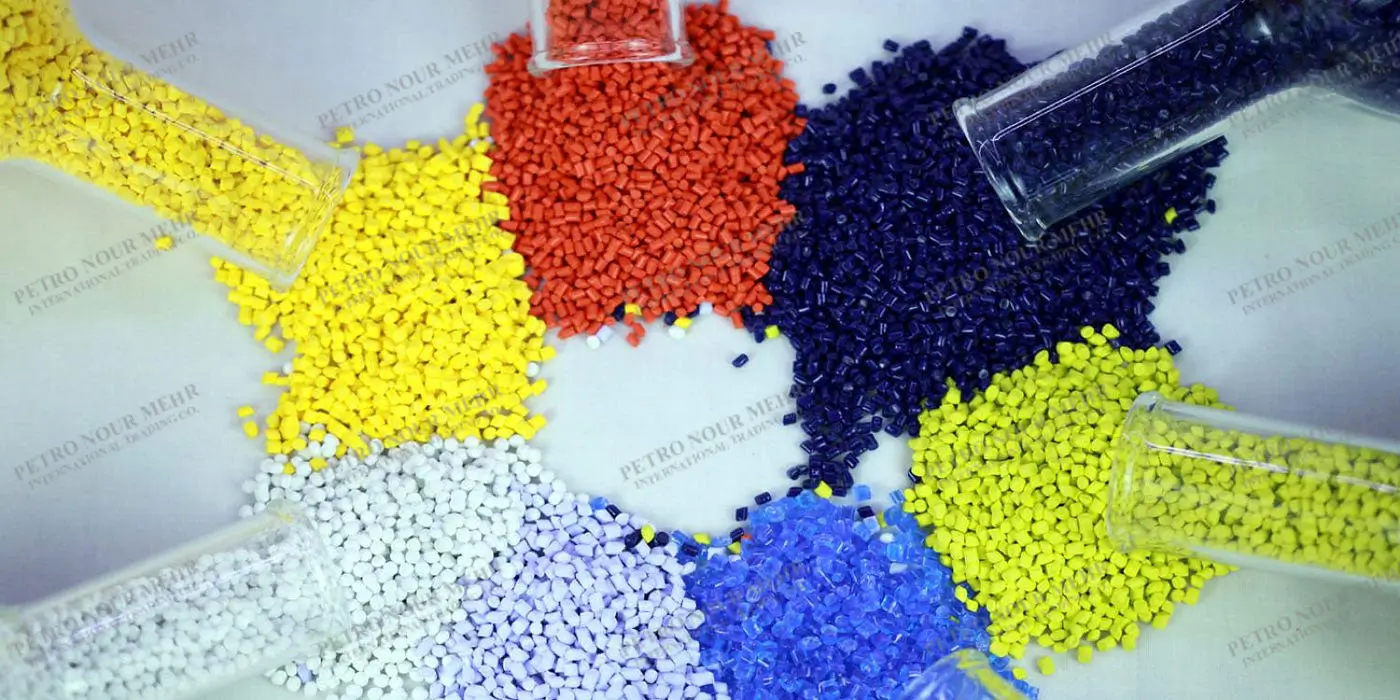
Masterbatch and additives for XPS Compound
After extrusion the material undergoes granulation, transforming it into small, uniform granules ready for subsequent processing. This step is vital to ensure consistent quality, ease of handling, and optimal feeding in later production stages.
Throughout the entire production process, from raw material selection to the finished product, we maintain a strong commitment to quality.
Precise formulation, advanced equipment, and continuous quality control ensure our XPS compound delivers excellent mechanical and thermal properties, long-lasting durability, and resistance to diverse environmental conditions. Whether manufacturers or traders, our customers can trust that they are receiving a premium, reliable product.
Our highly experienced technical team is dedicated to resolving any production challenges related to XPS foam and ensuring precise customization to meet customer needs. Technical consultation is a core part of our service, offering expert guidance to help clients optimize product performance and application.
One of our key strengths in producing XPS compound is the ability to offer customized services. We customize products to meet specific property requirements, ensuring they align perfectly with our customers’ project needs. This flexibility enables us to deliver high-quality, custom-made solutions that empower our clients to succeed in competitive markets.
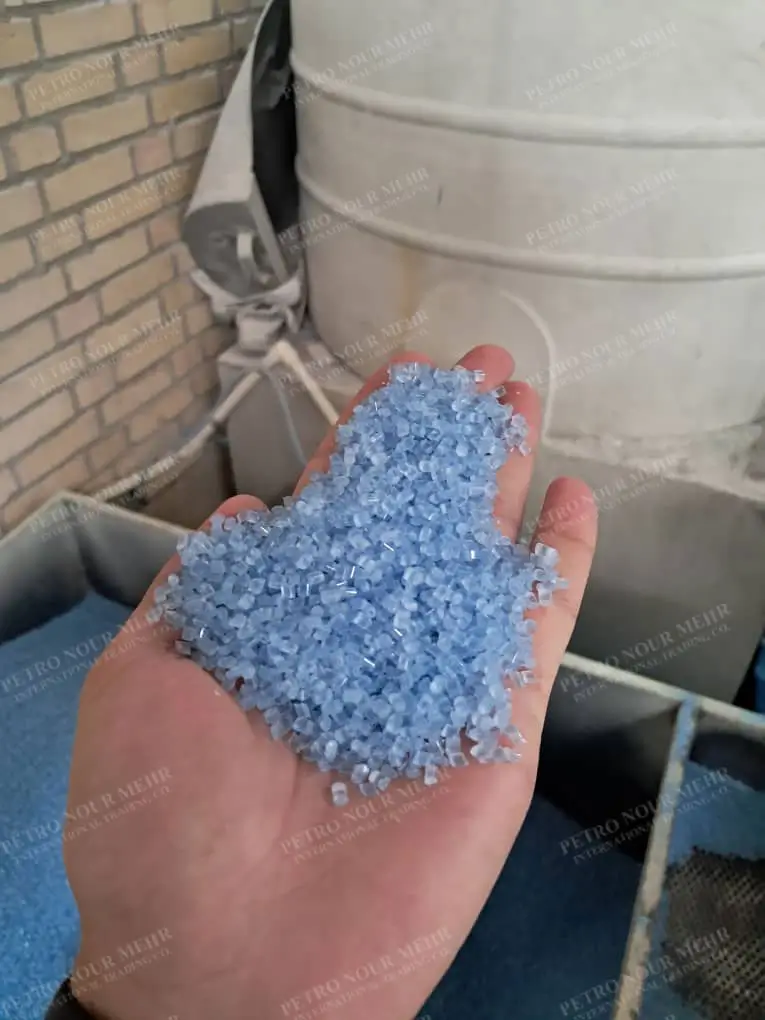
XPS Compound Produced by Petro Nour Mehr International Trading Co
Our XPS compound offers numerous benefits to our customers. We provide flexible payment options to suit diverse financial needs. Additionally, we manage the entire transportation process, ensuring timely and secure delivery directly to customers’ locations for maximum convenience. Moreover, packaging can be fully customized to meet specific client requirements, guaranteeing the product arrives in optimal condition.
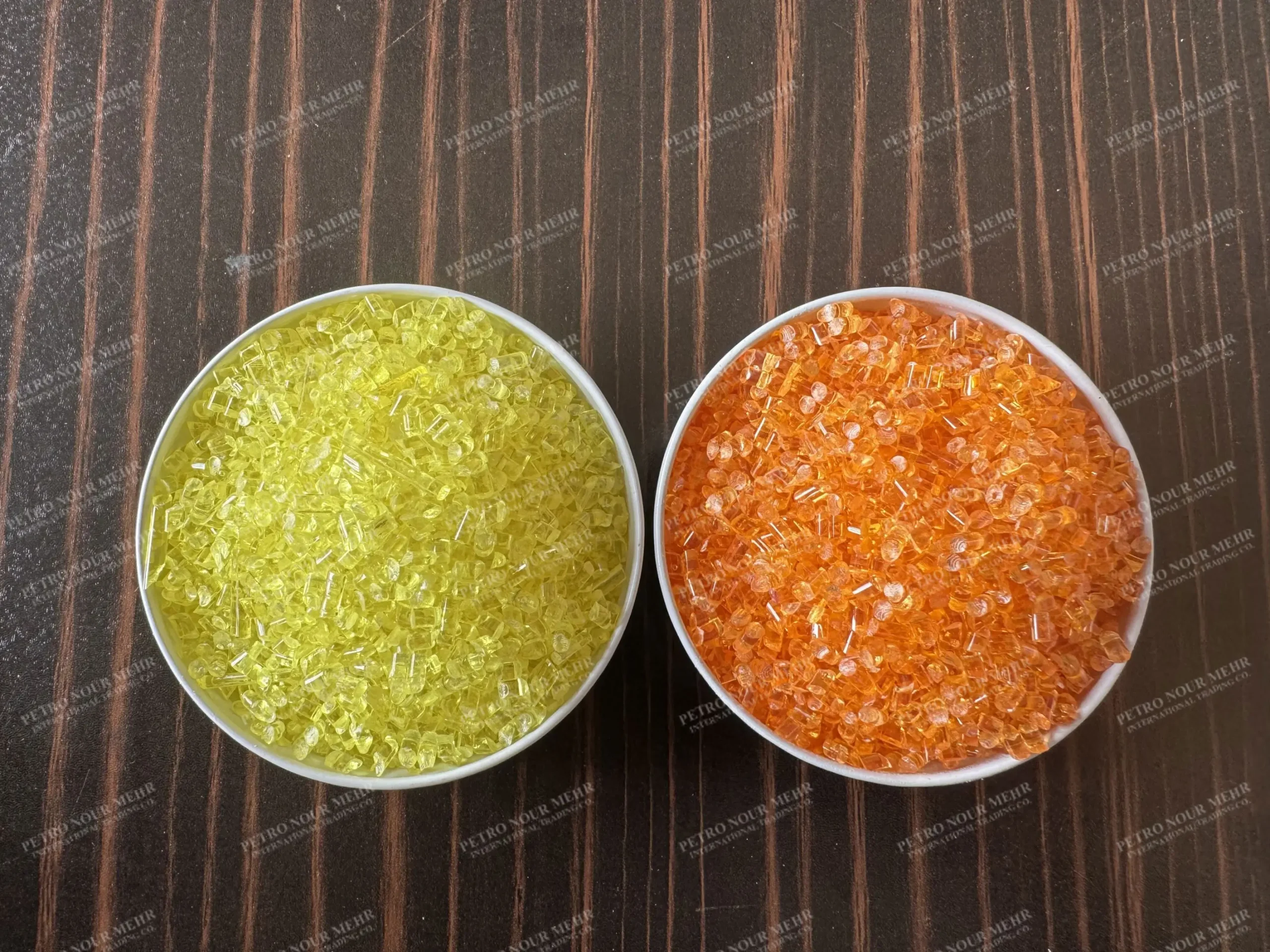
XPS compound in two colors
Due to their excellent thermal insulation, moisture resistance, and lightweight properties, XPS boards are widely used across various industries. They are especially valued in the construction sector as an energy-efficient insulation solution. Key applications include building insulation, cold storage facilities, roofing systems, foundations, and thermal insulation for HVAC systems.
Today, XPS boards are among the most popular insulation materials in construction projects. Leading Iranian manufacturers produce high-quality XPS compounds that enhance product performance and durability. In the production process, granules are fed directly into the extrusion system, eliminating the need for a powdering stage. This approach ensures the final product maintains excellent structural integrity and thermal efficiency, making it a preferred choice for various insulation applications.
We supply this versatile XPS compound to meet the diverse needs of manufacturers across various sectors, enabling them to deliver high-quality, durable insulation solutions. Our product has been successfully exported to countries including Turkey, Georgia, Kyrgyzstan, Uzbekistan, and Iraq. Thanks to its superior quality and adaptability to customer specifications, it has gained strong popularity in these markets. For pricing and further information, please contact our knowledgeable experts, ready to assist you with any inquiries.
To begin production, define the specifications for XPS boards, including size, thickness, and density requirements. Design the tooling and optimize extrusion parameters and cooling conditions to ensure efficient manufacturing. High-quality GPPS grades, selected for optimal insulation performance, are fed into a twin-screw extruder, where materials are uniformly melted and mixed. Continuous process monitoring ensures the final product consistently meets targeted quality and performance standards.
Production Process of XPS Compound
The XPS Compound is highly regarded by manufacturers worldwide for its exceptional performance and reliability in producing high-quality insulation materials. Leading companies such as Kingspan in Ireland, Styrofoam in the U.S., and BASF in Germany trust similar extruded polystyrene materials to deliver outstanding thermal insulation and moisture resistance in their products. These superior properties make XPS ideal for building insulation, HVAC systems, and various industrial applications, ensuring that it meets the rigorous standards set by some of the most recognized names in the insulation industry.
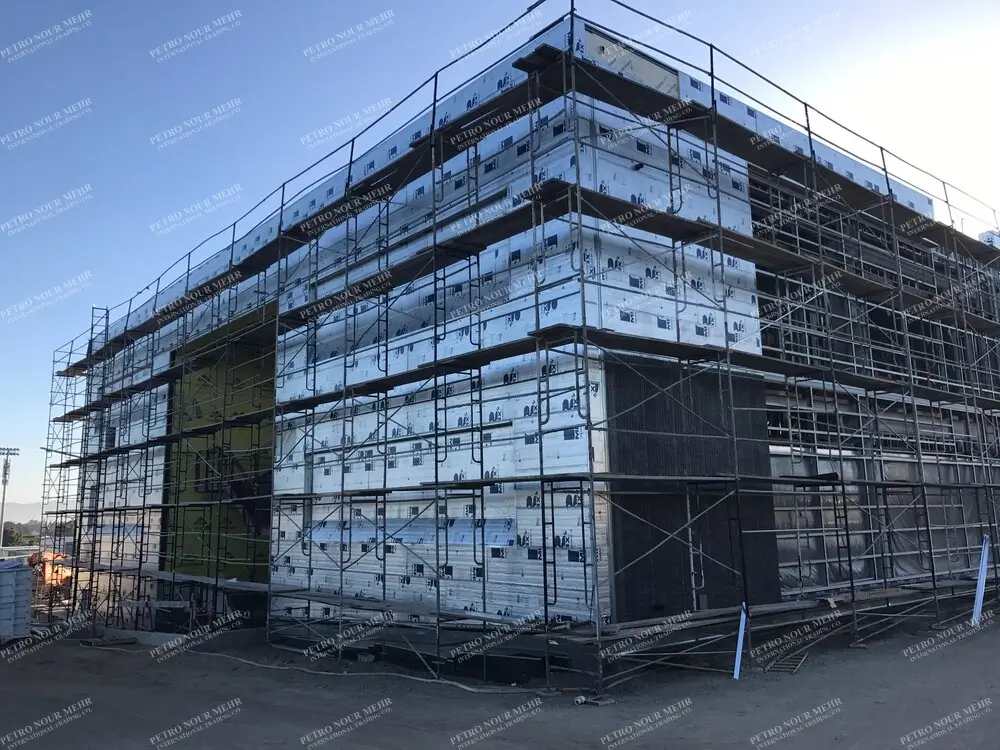
Who are the main XPS Compound Suppliers in Iran?
Petro Nour Mehr International Co. is proud to be a leading supplier of high-quality XPS Compound. By leveraging advanced technology and innovative formulations, we ensure that every batch of XPS Compound meets the highest industry standards for performance and consistency.
This compound is designed with precision, incorporating carefully selected materials to enhance its thermal insulation, moisture resistance, and overall performance in various applications.
By leveraging modern production techniques and extensive industry expertise, Petro Nour Mehr International Co. guarantees a product that is perfectly suited for insulation needs, providing excellent durability against environmental challenges and mechanical stress. The XPS Compound from Petro Nour Mehr International Co. is a dependable choice for demanding applications, ensuring exceptional longevity and superior performance.
What are the main applications of XPS Compound?
The XPS compound stands out as an excellent choice for a diverse range of applications due to its outstanding thermal insulation properties and moisture resistance. Here’s how it excels in various industries:
Building Insulation: XPS boards are widely used for thermal insulation in residential and commercial buildings, helping to enhance energy efficiency and reduce heating and cooling costs.
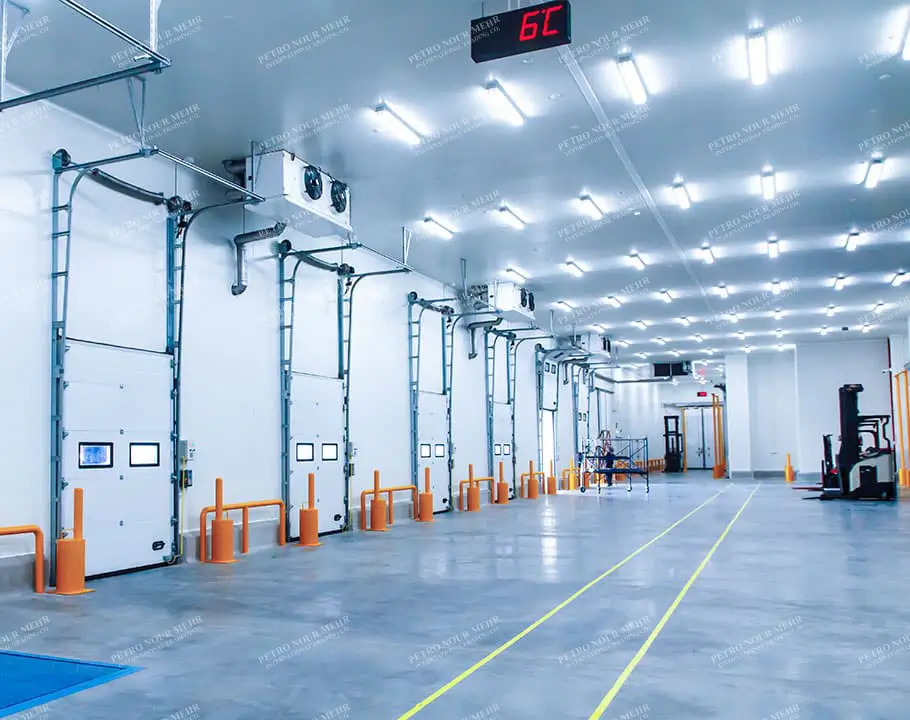
Cold Storage Facilities: The XPS compound withstands extremely low temperatures while maintaining structural integrity, making it ideal for large-scale cold rooms and warehouses.
Roof Insulation: The XPS compound is widely used in roofing systems due to its lightweight nature and reliable thermal resistance. It provides effective moisture protection and helps reduce heating and cooling costs, making it a smart choice for energy-efficient roofing applications.
Foundations: With its high compressive strength, XPS compound is an excellent choice for insulating foundations, providing durability and stability in construction projects.
HVAC Systems: The XPS compound is utilized in HVAC systems for its thermal performance, contributing to energy savings and efficient climate control.
Floor Insulation: XPS boards offer excellent thermal and moisture insulation for floors, especially where ground moisture or thermal bridging is a concern.
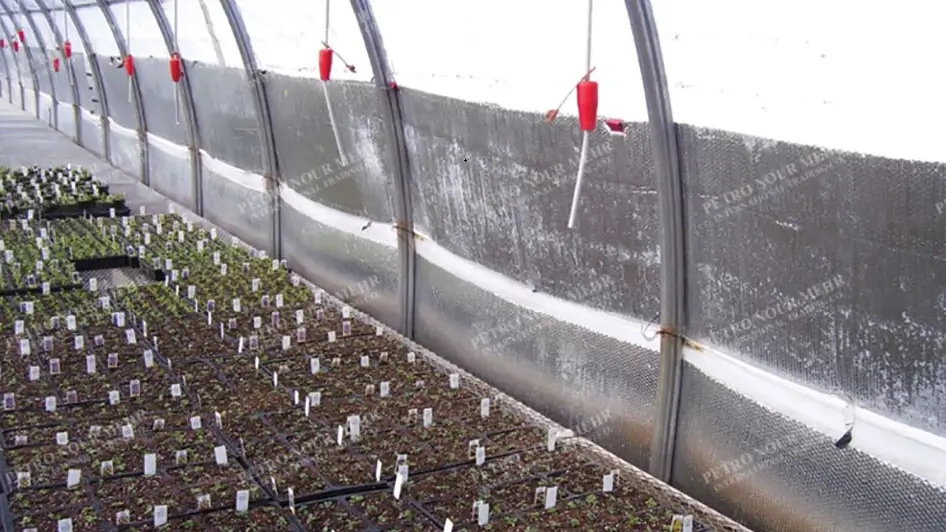
Greenhouses: The moisture resistance and insulation properties of XPS make it ideal for use in greenhouse construction, creating a controlled environment for plant growth.
Road and Bridge Construction: XPS is used in road and bridge construction for its lightweight properties and effective insulation, helping to prevent frost damage.
Refrigeration: In refrigeration units, XPS ensures reliable insulation and moisture resistance, enabling consistent temperature control and energy savings.
Underfloor Heating Systems: XPS ensures effective heat retention in underfloor heating systems, improving energy efficiency and comfort by minimizing heat loss to the subfloor.
This versatile compound is engineered to deliver reliable performance across various industries, offering strong, durable, and efficient insulation solutions.
What are the best storage conditions for XPS Compound?
The XPS compound can be stored under various conditions, but to ensure its quality and performance, the following guidelines are recommended:
- Store the material in a cool, dry environment, ideally at a temperature below 30 degrees Celsius, to prevent any degradation of its properties.
- Avoid direct sunlight and prolonged exposure to UV light, as this can adversely affect the compound’s physical and chemical characteristics.
- Keep the compound away from strong chemicals, including acids, bases, or solvents, to prevent any unwanted reactions or deterioration of the material.
- Protect the material from physical damage during storage and transport, ensuring it is safeguarded against impacts and scratches to maintain its mechanical integrity.
- Ensure that the packaging is robust and capable of protecting the compound from environmental changes, such as humidity, to prevent moisture absorption.
- For specialized applications, refer to the manufacturer’s guidelines for any specific storage requirements that may apply.
By adhering to these guidelines, the XPS compound will maintain its optimal properties throughout storage and handling.
What are the advantages of XPS Compound packaging?
The XPS compound can be packaged and exported using various methods to accommodate different needs, environments, and transportation requirements. Common packaging techniques include:
- Packaging in Jumbo Bags: Large bags with capacities typically ranging from 500 to 2000 kilograms are utilized for bulk packaging of the XPS compound. These bags provide excellent protection against contamination and moisture, making them suitable for road, sea, and air transportation.
- Packaging in Small Bags: For smaller quantities, the compound can be packed into smaller bags, usually with a capacity of about 20 to 25 kilograms. This method is ideal for retail purposes or specific application needs.
- Use of Pallets: The compound is often placed on pallets to facilitate handling and transportation. Palletized packaging ensures stability and protection during shipping, reducing the risk of damage.
When selecting the appropriate packaging and export methods for the XPS compound, it is essential to adhere to international packaging standards, proper labeling, and transportation requirements. Ensuring that the product is well-protected from shocks, moisture, and environmental damage during transit helps maintain its quality.
Why is XPS important for building insulation, and what are its key features?
Building insulation plays a vital role in energy conservation and enhancing overall building efficiency. With increasing energy consumption and rising heating and cooling costs, the use of high-performance thermal insulation has become essential. Among the most widely used materials in the construction industry is XPS (Extruded Polystyrene), known for its excellent moisture resistance, low weight, and effective thermal insulation, making it a popular and reliable choice in modern building applications.
This article examines XPS insulation, its production process, the raw materials used in its manufacture, the type of blowing agent employed, and how it differs from other available insulations like EPS.
What are the differences between XPS and other insulation materials?
XPS insulation has unique features that differentiate it from other types of insulation such as EPS. Below are some key differences between these two types of insulation:
- Density and Mechanical Resistance:XPS insulation has a denser foam structure, providing higher mechanical resistance compared to EPS. This feature makes XPS more suitable for use in areas requiring high compressive strength.
- Moisture Resistance:One of the most important characteristics of XPS insulation is its high resistance to water and moisture absorption. The closed-cell structure of XPS prevents water from penetrating the foam, making this type of insulation very suitable for use in humid environments or areas prone to water contact. In contrast, EPS, due to its open-cell structure, is more sensitive to moisture and may lose its insulating properties when in contact with water.
- Thermal Efficiency: XPS has better thermal efficiency compared to EPS. Due to its closed and uniform cell structure, this insulation is more effective at preventing heat transfer, making it a better choice for environments needing effective thermal insulation.
- Weight and Easy Installation:Although both XPS and EPS are lightweight, XPS’s higher density makes it heavier than EPS. Nevertheless, both types of insulation are easy to install and can be easily cut and fitted into the desired location.
- Durability and Longevity:XPS insulation has greater durability and longevity due to its high resistance to environmental conditions, especially moisture, compared to EPS. This feature makes it a better option for areas requiring permanent and durable insulation.
What are the main applications of XPS insulation?
Due to its superior characteristics, XPS insulation is used in various applications. Some of the main applications of this insulation include:
- Insulating External and Internal Walls: Due to its high moisture resistance and suitable thermal efficiency, XPS is one of the best options for insulating the exterior and interior walls of buildings.
- Floor Insulation: XPS is suitable for insulating floors in buildings and structures that need to bear heavy loads due to its high compressive strength.
- Roof Insulation: XPS insulation is widely used in roof insulation, as it has good resistance to weather conditions and moisture.
- Underground Structures: The high moisture and pressure resistance of XPS make it a suitable option for use in underground structures and areas in direct contact with soil and water.
XPS insulation is one of the best options available in the market for thermal insulation of buildings. This insulation stands out from other insulations due to its high resistance to moisture, mechanical resistance, high thermal efficiency, and long lifespan. Furthermore, its production process, which includes the use of environmentally friendly blowing agents, makes it a sustainable product suitable for use in modern buildings.
The main differences between XPS and EPS also manifest in characteristics such as density, moisture resistance, and thermal efficiency, which may make one of these types of insulation a better choice depending on the project’s needs. Ultimately, choosing the right insulation based on project requirements and environmental conditions can significantly impact energy consumption and the lifespan of the building.
Comparison of XPS Insulation with Other Building Insulations in Terms of Structure, Porosity, and Density
Building insulation materials are widely used in the construction industry to enhance thermal and mechanical performance and reduce energy consumption. Key factors in selecting the right insulation include structural characteristics, porosity, and density. In the following section, XPS insulation is compared with other common materials such as glass wool, sandwich panels, and alternative insulation types.
XPS Insulation (Extruded Polystyrene)
- Structure: XPS insulation has a closed-cell structure, which allows the air or gases trapped in its tiny cells to provide better insulation performance than open-cell insulations. This feature makes XPS more resistant to water and moisture intrusion.
- Porosity: The porosity of XPS is very low due to its closed-cell structure, resulting in virtually zero water absorption. Therefore, XPS performs very well in humid or underground environments.
- Density: The density of XPS usually ranges from 25 to 40 kilograms per cubic meter. This density provides a lightweight material that is easy to install and transport while also offering high mechanical resistance.
Glass Wool
- Structure: Glass wool is made of fine glass fibers and has a matrix structure that traps a significant amount of air within it. This structure allows glass wool to act as an effective thermal insulator.
- Porosity: Glass wool has a high porosity, and due to this high porosity, it has good thermal insulation properties, but it is weak in terms of water absorption. In humid environments, water can become trapped among the glass fibers, reducing insulation performance.
- Density: The density of glass wool usually ranges from 12 to 50 kilograms per cubic meter. This low density makes glass wool very lightweight, but it does not have high mechanical resistance and may settle over time.
Sandwich Panels
- Structure: Sandwich panels are composed of a core insulation (which can be made of materials like polyurethane, rock wool, or polystyrene) and two outer layers (made of metal or composite materials). Their layered structure places the insulation core between two protective layers.
- Porosity: The porosity in sandwich panels depends on the type of core material. If the core is made of polystyrene or polyurethane, its porosity will be low, similar to that of XPS. However, if the core is made of rock wool, higher porosity will be observed.
- Density: The density of sandwich panels depends on the type of core and the thickness of the protective layers. The density of polystyrene or polyurethane cores is similar to that of XPS, while the density of rock wool is higher. These panels generally have high compressive strength and are suitable for industrial structures and walls.
Rock Wool
- Structure: Rock wool is made from mineral fibers and has a structure similar to glass wool. These fibers are intertwined, creating a large space between them that traps warm or cold air.
- Porosity: Rock wool has a very high porosity, which provides it with excellent thermal and acoustic insulation properties. However, like glass wool, it is susceptible to moisture, and its performance may decrease if it absorbs water.
- Density: The density of rock wool typically ranges from 40 to 200 kilograms per cubic meter, which makes it heavier than XPS and provides more mechanical resistance.
Comparison of Resistance to Environmental Factors
Moisture
- XPS: Due to its closed-cell structure, XPS has very high resistance to water absorption and maintains its performance even in humid and underground environments. This feature makes it suitable for use in areas like basements, building foundations, and roof insulation.
- Glass Wool: Due to its high porosity, glass wool quickly absorbs water, and if it absorbs water, it loses its insulation properties. The use of glass wool in humid locations is not recommended unless it is adequately protected.
- Sandwich Panels: The moisture resistance of sandwich panels depends on the type of insulation core. For example, if the core is made of polystyrene, it has high moisture resistance. However, if rock wool is used, it can absorb water and lose its insulation properties.
- Rock Wool: Rock wool has a high tendency to absorb moisture, and like glass wool, its performance decreases significantly when wet.
Heat
- XPS: XPS has very good thermal insulation properties and can withstand temperatures up to 70-75 degrees Celsius. Its closed-cell structure minimizes heat transfer, making it an effective insulator.
- Glass Wool: Glass wool also has good thermal insulation properties and can withstand similar temperatures as XPS. However, its absorption of moisture can negatively impact its thermal performance.
- Sandwich Panels: The heat resistance of sandwich panels varies depending on the core material. Panels with a polyurethane core usually have better thermal resistance than XPS, but this depends on the thickness and type of outer layers used.
- Rock Wool: Rock wool has excellent thermal resistance and can withstand higher temperatures than XPS. It is often used in applications requiring high thermal resistance, such as fire-resistant panels.
Mechanical Resistance
- XPS: XPS has high mechanical resistance and can bear heavy loads without deformation, making it suitable for use in floors and roofing applications.
- Glass Wool: Glass wool has low mechanical resistance and may settle over time under load. It is usually used in non-load-bearing applications.
- Sandwich Panels: Sandwich panels provide high mechanical resistance due to their layered structure, making them suitable for industrial applications where loads may be imposed.
- Rock Wool: Rock wool has good mechanical resistance, but its performance is less than that of XPS and sandwich panels.
Fire Resistance
- XPS: XPS has a low fire resistance and may melt or ignite in high temperatures. Proper fireproofing measures should be taken when using XPS in applications near flames.
- Glass Wool: Glass wool is non-combustible and has excellent fire resistance, making it suitable for fire-resistant applications.
- Sandwich Panels: The fire resistance of sandwich panels depends on the type of core material. Panels with a mineral core typically have good fire resistance, while those with a plastic core may have lower fire resistance.
- Rock Wool: Rock wool is non-combustible and has excellent fire resistance, making it a safe choice for applications requiring fire protection.
XPS insulation stands out for its high moisture resistance, mechanical resistance, and thermal efficiency, making it a suitable choice for a wide range of applications in modern construction. In contrast, glass wool and rock wool are preferred for their fire resistance and acoustic insulation properties. Sandwich panels offer a combination of high mechanical strength and thermal performance. When choosing insulation for a project, it is essential to consider factors such as moisture resistance, thermal performance, mechanical resistance, and fire safety in order to select the best option.
What are the main technical specifications of XPS Compound?
The production process of XPS insulation is carried out using the extrusion method, where the raw materials are forced through an extruder under high pressure to achieve the desired shape. The raw materials used in XPS production include polystyrene (a type of thermoplastic polymer) and a blowing agent. In this process, the polystyrene is melted at a high temperature and combined with the blowing agent to create a foam-like structure. Then, this mixture is extruded from the extruder under appropriate pressure and temperature, forming sheets or blocks of foam.
One important aspect of the XPS production process is the use of an appropriate blowing agent, which creates small and uniform bubbles within the foam structure. These bubbles play a key role in providing the thermal and insulating properties of XPS foam.
Raw Materials of XPS Insulation
XPS insulation is primarily made from polystyrene, a type of thermoplastic polymer. Polystyrene is obtained through the polymerization process of styrene and is used in various industries due to its lightweight, good mechanical resistance, and recyclability. In XPS production, in addition to polystyrene, additives such as stabilizers, and blowing agents are used to achieve desirable properties such as thermal stability, moisture resistance, and lightweight.
Blowing Agent in XPS Production
The blowing agent is one of the key components in the XPS insulation production process. This gas is responsible for expanding the molten polystyrene, creating a foam structure with small and uniform bubbles. The type of blowing agent used directly affects the final properties of XPS insulation.
In the past, chlorofluorocarbons (CFCs) were used for this purpose; however, due to their harmful effects on the ozone layer and the environment, their use has been banned. Today, environmentally friendly gases such as hydrofluorocarbons (HFCs) or hydrocarbons are used as blowing agents, which have less negative impact on the environment and comply with environmental standards.
How to Purchase XPS Compound
- Select a Reliable Supplier: Choose a supplier known for their reliability and certifications that assure the quality of XPS compound.
- Price Comparison: Analyze and compare prices from various suppliers, ensuring they align with global market standards for competitive pricing.
- Evaluate Sales Terms: Review the sales conditions, including minimum order quantities, delivery timelines, packaging options, transportation methods, and payment terms to ensure they meet your requirements.
- Familiarize with Import Regulations: If importing XPS compound, understand the relevant customs and legal regulations to comply with export and import laws.
- Contact Petro Nour Mehr Company: Reach out to Petro Nour Mehr Company for the most competitive export price tailored to your unique conditions and requirements.
- Place Your Order: Once all terms are agreed upon, sign the contract and confirm your order with the supplier.
- Payment Options: Petro Nour Mehr will provide secure and flexible payment methods based on your preferences.
- Transportation Coordination: Work with the supplier to select and arrange a transportation company for loading and delivering the XPS compound.
- Customs Documentation: Petro Nour Mehr Company will handle all necessary documentation for customs clearance in the destination city.
By following these steps, you can ensure a seamless and efficient process for ordering XPS compound.
- sales@petronourmehr.com
- +98 219-100-7557
For all inquiries, please don’t hesitate to contact our sales department using the form below.