
Aniline (Anilin)
Aniline, also known as Aniline chemical, is a vital organic compound widely used in various industrial processes. It plays a crucial role in the production of dyes, plastics, and pharmaceuticals, and is also used as a raw material in the manufacturing of rubber chemicals, pesticides, and herbicides. Available in both liquid and solid forms, aniline is a versatile compound with numerous applications in the chemical industry.
At Petro Nour Mehr, we have successfully established ourselves as a reliable supplier of Aniline by offering competitive prices and high-quality products. The Aniline Price is a key factor when choosing the right supplier for your needs, and we are committed to providing the most affordable and efficient solutions to meet your industrial requirements.
If you are looking to purchase Aniline at the best prices or need detailed information on Aniline Chemical pricing and purchasing options, feel free to contact our sales department for the latest updates and special offers.
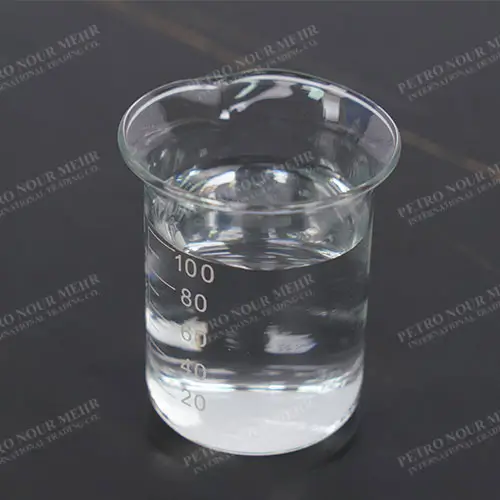
Analysis of Aniline grades
You can find the list of Aniline products in the table below:
To view other chemical products, you can click here.
Aniline Manufacturers in Iran
In the petrochemical industry of Iran, several companies and production units are engaged in the manufacturing of Aniline. One of the prominent companies is:
- Karun Petrochemical Company
This company is among the largest producers of Aniline in Iran and plays a significant role in meeting domestic demand as well as exporting this essential chemical to international markets. Their state-of-the-art production facilities and high-quality standards ensure the availability of reliable and competitively priced Aniline for various industrial applications.
Applications of Aniline
This material is a highly versatile chemical compound used in various industries. Some of its primary applications include:
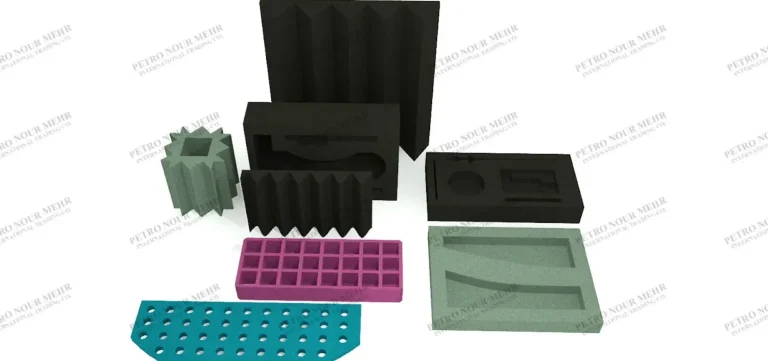
- Polyurethane Production: Methylene diphenyl diisocyanate (MDI), produced from aniline and formaldehyde, is widely used in manufacturing polyurethane polymers.
These polymers serve as intermediate polyurethanes in the production of various products such as rigid and semi-rigid polyurethanes, insulation, thermoplastic resins, casting products, adhesives, and shoe soles. Additionally, MDI serves as a raw material in producing chemicals used in rubber processing, such as antioxidants, stabilizers, accelerators, activators, and other vulcanization additives.
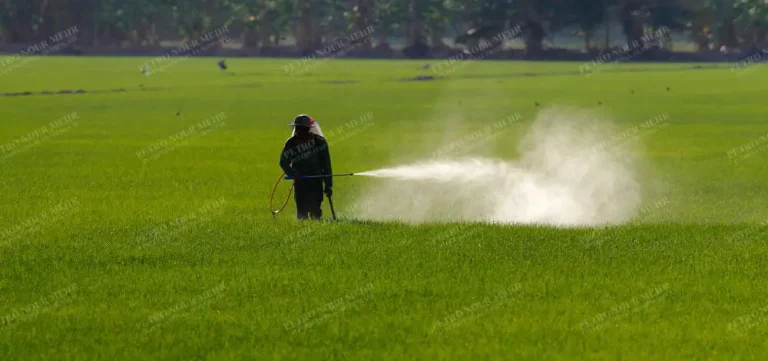
- Agriculture: This material contributes to reducing germination, halting growth, and reducing the size of certain weeds in agriculture. It plays a crucial role in the production of herbicides, with 3-trifluoromethylaniline being one of the key herbicides synthesized from aniline.
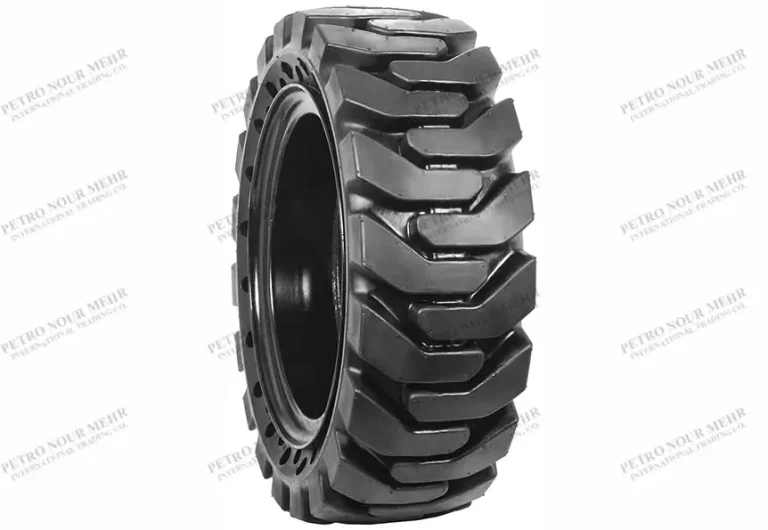
- Plastics Industry: Rubber derivatives produced from aniline are used in manufacturing automotive tires, balloons, and gloves. Compounds like mercapto benzothiazole are known as rubber reinforcing agents. Compounds such as diphenyl guanidine, diphenylamine, aniline ketone, and other similar substances are also used in the rubber production process.
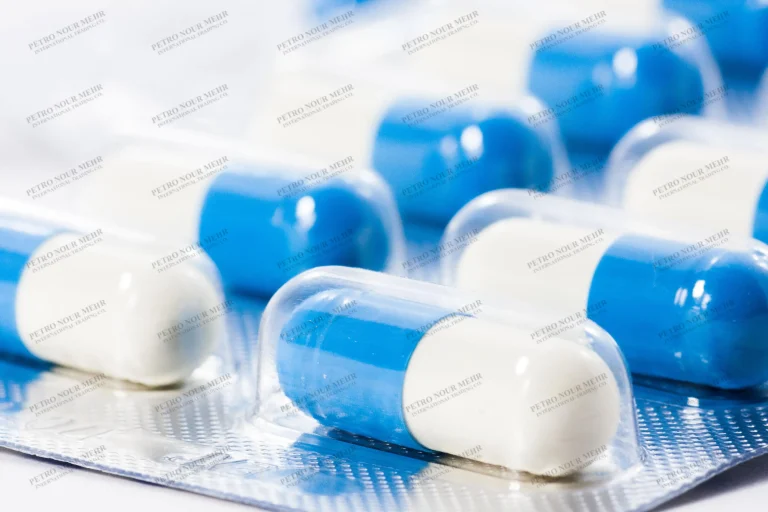
- Pharmaceuticals: It is a fundamental chemical used as a valuable precursor in various industries, including pharmaceuticals. It plays a crucial role in the production processes of many drugs. Some drugs synthesized from aniline include stanylides, paracetamol, and sulfonamide drugs. These drugs are used as pain relievers, anti-inflammatory agents, antibiotics, and antibacterial drugs, playing a vital role in maintaining health and treating many diseases.
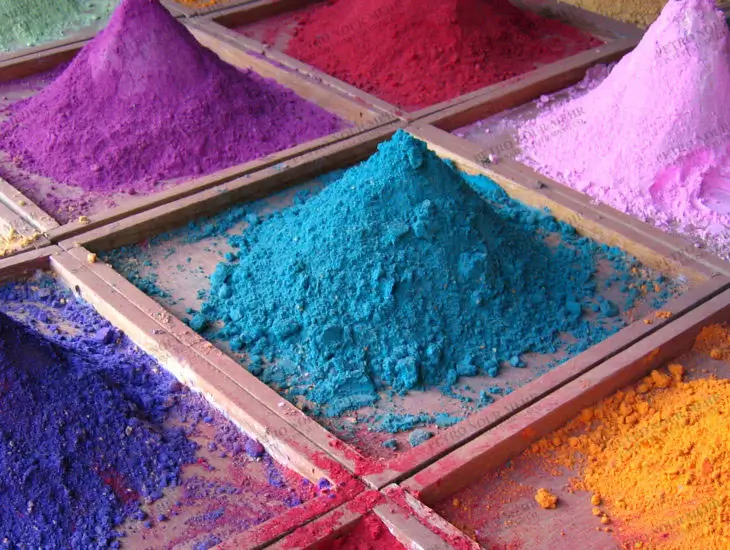
- Textiles: Synthetic dyes can be categorized into Aniline Chemical and chromium-based dyes. Aniline-based dyes are available in green, yellow, brown, and black colors in the industry.
To produce green color, a combination of aniline with potassium chloride is used, while black color is obtained by immersing the fabric in aniline hydrochloride solution and an oxidizing agent. Aniline-based colors are used in dyeing denim fabrics and printing designs on fabrics. Additionally, oxidative polymerization of this material is used to increase the electrical conductivity of threads, a process that occurs without altering the mechanical properties of the threads.
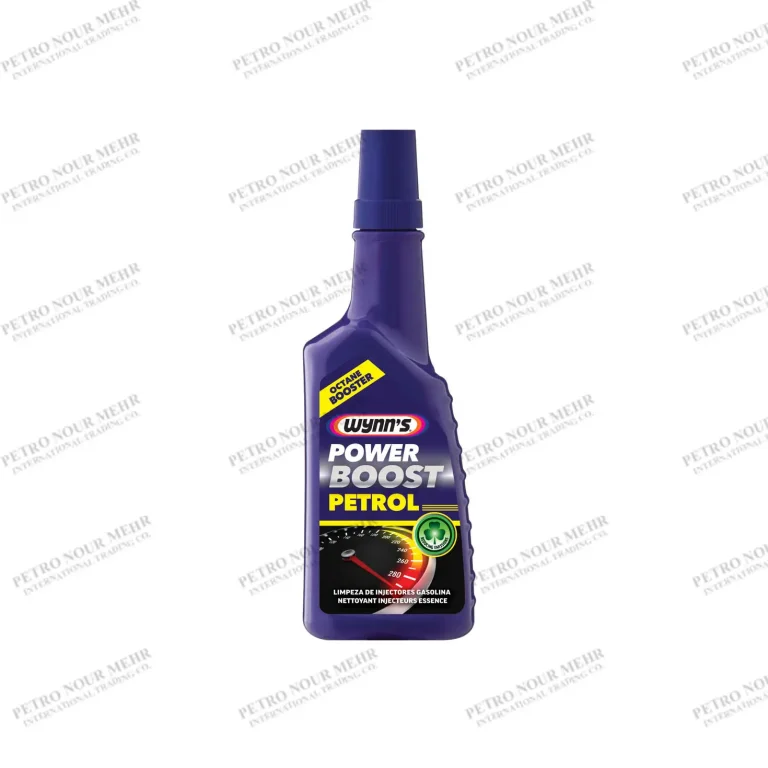
- Gasoline and Fuel Production: N-methylaniline, known as a key and practical derivative in the fuel industry, is used as a powerful octane booster additive in fuels. This compound, an essential part of industrial derivatives, plays an effective role in improving fuel quality.
- Synthesis of Chemical Compounds: Aniline and its derivatives are important precursors used in synthesizing various chemical compounds. These substances are obtained from different reactions. For example, diazonium salt is produced from the reaction between nitrous acid and aniline, which is one of the most widely used compounds in the production of dyes and other chemicals. Additionally, dimethyl aniline and monomethyl aniline are obtained from the reaction of aniline with methyl alcohol.
- Polymer Industry: 4,4′-Methylene diphenyl diisocyanate (MDA), produced from the reaction between aniline and formaldehyde in an acidic medium with an appropriate catalyst, plays a crucial role in the polymer industry.
The PMDA polymer obtained from the polymerization of MDA is used in producing a range of vital compounds, including isocyanates, polyurethanes, expandable sponge fibers, semi-flexible foams, thermoplastic resins, automotive products, foam insulation, and neoprene sheets. These polymers find applications in various industries due to their outstanding technical and practical properties.
On the other hand, cyclohexylamine is produced from the hydrogenation of aniline, while quinone, azobenzene, nitroso benzene, para-aminophenol, and phenazine are obtained from the oxidation of this chemical compound.
Various types of polyurethanes and isocyanates are also produced from aniline. This diversity in reactions and the production of various derivatives highlight the significant importance and wide-ranging applications of aniline and its derivatives in the chemical industries.
Storage Conditions for Aniline
This material is a highly reactive and versatile chemical compound used in various industries, such as pharmaceuticals, petrochemicals, dyes, and plastics. To safely store this substance, the following conditions should be met:
- Ideal Storage Temperature and Conditions: The storage environment for Aniline should be cool (ideally around 20-25 degrees Celsius), dry, and away from direct sunlight. It is advisable to store Aniline in containers made from chemical-resistant materials, such as plastic or metal, to prevent contamination or corrosion.
- Ensure Proper Ventilation: Since this material may release toxic fumes, it is important that the storage area is well-ventilated. Adequate ventilation should also be maintained in the area where this material is being used to prevent the buildup of harmful vapors.
- Prevent Contact with Water and Moisture: This material reacts with water and moisture, which can affect the quality of the substance and lead to dangerous reactions. Therefore, direct contact with water should be avoided to ensure safety.
- Avoid Contact with Oxidizing Agents: This material should not come into contact with strong oxidizing agents such as acids or hydrogen peroxide. These interactions can lead to hazardous reactions. Keep this material away from such substances to maintain safe handling.
- Use of Personal Protective Equipment (PPE): To minimize the risk of direct contact with skin or eyes, it is essential to handle Aniline with proper safety equipment. Workers should wear gloves, goggles, face shields, and protective clothing to avoid exposure.
- Importance of Safety Labels and Warnings: Clear safety labels and warning signs should be placed on containers and packaging containing this material. These labels will inform workers and handlers about the potential risks and safe handling practices associated with this material.
By following these storage guidelines, the integrity of this material can be maintained, ensuring its safe use in industrial applications. If you are interested in the Aniline Price or the best rates for Aniline Chemical, trusted suppliers can provide updated information on pricing and availability.

Packaging for Aniline
The packaging of Aniline for export is done in various forms to ensure the safety and quality of the product. These packaging methods include:
- Sealed Barrels: Aniline with high purity (99.8%) is typically packaged in 230-kilogram sealed barrels. These barrels are covered with nitrogen gas to prevent any chemical reactions and ensure safe storage and transportation. For packaging and transportation, closed-top tanks (usually made of steel or plastic) are used. These tanks prevent leakage and evaporation, making them suitable for larger-scale transport.
- Plastic Bottles or Bulk Containers: When packaged for sale to factories or industries, Anilin may be packaged in plastic bottles or bulk containers inside specialized transportation tanks.
- Larger Containers for Bulk Industries:For industries requiring large quantities, Aniline Chemical is stored and delivered in larger containers such as metal barrels or liquid transportation tanks.
All these packaging methods are designed to prevent leakage, evaporation, and environmental damage, ensuring safe international transportation and storage.
Producing Products Using Aniline at Manufacturers
Aniline producers such as BASF and Dow Chemical use Anilin as a key raw material in their production processes. BASF specializes in producing Aniline Chemical for industries like chemical production, agriculture, and pharmaceuticals, offering high performance in sectors like automotive, textiles, and rubber. Dow Chemical also uses this material for applications in the production of polyurethane, dyes, and plastics. Their competitive Aniline price reflects their efficient and sustainable operations in meeting both global and domestic demands for this material and its derivatives.
Aniline Characteristics
This material is a colorless to slightly yellow liquid with a characteristic aromatic odor. It is highly soluble in organic solvents but only slightly soluble in water. Aniline has a relatively low boiling point and remains stable at room temperature, making it useful for a variety of industrial applications. It is a toxic substance, and proper handling is essential. Its chemical formula is C6H5NH2.
Aniline is an organic compound with a weakly basic nature, making it effective in the synthesis of various chemicals. With a molecular weight of 93.13 grams per mole (g/mol), this material has a moderate density compared to other organic liquids. It is widely used in the production of dyes, pharmaceuticals, rubber, and plastics, playing a crucial role in industries such as petrochemicals, textiles, and agriculture.
Advantages and Disadvantages of Aniline
This material is a widely used organic compound in various industrial applications, but it comes with both advantages and disadvantages:
Advantages
- Versatility: This material is a highly versatile chemical used in the production of dyes, pharmaceuticals, rubber, and plastics, as well as in agriculture and petrochemicals.
- Effective in Synthesis: This material is a key intermediate in the synthesis of many chemicals, making it essential for various manufacturing processes.
- High Demand in Dyes and Pharmaceuticals: This Material is critical in the production of synthetic dyes, as well as several important pharmaceutical compounds, including analgesics and antibiotics.
- Used in Rubber and Plastic Production: Aniline Chemical plays an important role in the production of polyurethane, an essential material for industries like automotive and construction.
- Contribution to Environmental Protection: Aniline-based compounds are used in water treatment processes, helping to remove contaminants and adjust the pH of water.
Disadvantages
- Toxicity: This material is a toxic substance and can cause severe health problems if inhaled, ingested, or absorbed through the skin. It can lead to symptoms like dizziness, headache, and even organ damage.
- Environmental Impact: Improper disposal of this material can lead to contamination of water sources and soil, harming aquatic life and ecosystems.
- Flammability: This material is flammable and can form explosive mixtures with air, posing a fire and explosion hazard in poorly ventilated areas.
- Health Risks: Long-term exposure to Aniline Chemical can lead to serious health issues, including damage to the liver, kidney, and central nervous system.
- Cost: This material can be expensive, especially in large quantities, which may impact production costs for businesses in industries that require large amounts of this chemical.
In summary, while Aniline offers numerous advantages in industrial applications, it is essential to handle, store, and dispose of it properly to avoid risks.
Given its toxicity and environmental concerns, precautions must be taken to ensure safety. Additionally, the price of this material may fluctuate based on market conditions, so businesses should stay updated on Aniline Price and consult reliable suppliers for competitive pricing.
Physical and Chemical Properties of Aniline
Aniline has both physical and chemical properties that make it ideal for various industrial applications, particularly in dye manufacturing, pharmaceuticals, rubber production, and petrochemical processes. Here are some of its key properties:
Physical Properties
- Appearance: This material is typically a colorless to pale yellow liquid with a characteristic aromatic odor. It can also be found in solid form under certain conditions, though it is mainly used in liquid form.
- Odor: This material has a distinctive, slightly sweet, and unpleasant odor, which can be noticeable during handling.
- Melting Point: The melting point of Aniline is around -6°C, which means it remains liquid under typical room temperature conditions and is stable for various applications.
- Boiling Point: The boiling point of this material is approximately 184°C, allowing it to be used in high-temperature processes without boiling.
- Density: The density of this material is approximately 1.02 g/cm³, which is relatively high compared to many organic liquids and influences its flow properties during handling and transportation.
Chemical Properties
- Reactivity: This material is a weakly basic compound and reacts with acids to form anilinium salts. It is also reactive with certain oxidizing agents and can undergo electrophilic substitution reactions, which are important in dye production.
- pH Regulation: This material is commonly used in the production of chemicals that help regulate pH levels, especially in industrial processes like water treatment and chemical manufacturing.
- Solubility: This material is slightly soluble in water but highly soluble in organic solvents such as alcohols, ethers, and chloroform. This makes it useful in various chemical synthesis processes.
- Stability: This material is stable under normal conditions but is sensitive to heat, light, and air. It can decompose upon exposure to strong oxidizing agents and should be stored in cool, dry conditions to prevent degradation.
Overall, the physical and chemical properties of this material make it a crucial component in many industrial applications. However, its toxicity and reactivity with other substances require proper handling and storage to ensure safety and maintain product quality.
Types of Aniline Grades
Aniline is commercially available in various grades depending on its purity and intended use. Here are some common grades of this material:
- Technical Grade: This grade typically has a purity ranging from 90% to 99%. It may contain impurities and is often used in industrial applications where high purity is not critical.
- Laboratory Grade: Laboratory-grade Aniline has a higher level of purity compared to technical grade, typically ranging from 99% to 99.5%. It is commonly used in laboratory settings for research, chemical synthesis, and analysis.
- Reagent Grade: Reagent-grade has an even higher purity level, typically exceeding 99.5%. It is free from most impurities and is suitable for use in analytical chemistry, where precise measurements and minimal impurities are required.
- Analytical Grade: This grade of Aniline Chemical is of the highest purity, often exceeding 99.9%. It is free from impurities and contaminants, making it suitable for critical analytical applications, such as spectroscopy and chromatography.
- Ultra-Pure Grade: Ultra-pure Anilin is the highest grade available, with purity levels approaching or reaching 100%. It undergoes extensive purification processes to remove even trace impurities and is used in sensitive applications such as semiconductor manufacturing and pharmaceutical production.
The specific grade of aniline required depends on the intended application and the level of purity necessary to achieve desired results. Industrial applications may tolerate lower purity grades, while research and analytical applications typically require higher purity grades to ensure accuracy and reliability of results.
Comparison of Aniline Grades
Aniline is available in various grades based on its purity, each suited for different applications. Technical grade has a purity between 90% and 99%, typically used in industrial applications where high purity is not crucial. Laboratory grade, with purity from 99% to 99.5%, is used in research and chemical synthesis. Reagent grade exceeds 99.5% purity, making it suitable for analytical chemistry where precision is important. Analytical grade offers the highest purity, often over 99.9%, for critical applications like spectroscopy and chromatography. Ultra-pure grade, with purity approaching 100%, is used in sensitive industries like semiconductor manufacturing and pharmaceuticals. The choice of grade depends on the application and required purity, with higher grades needed for more precise and critical uses.
How to buy Aniline?
- Buy from a reputable and authorized supplier that holds necessary certifications and guarantees quality.
- Compare the prices of these materials in different markets and compare them with the global market price.
- Examine the sales conditions regarding quantity, delivery time, packaging, transportation methods, and payment terms.
- If you intend to import Aniline from foreign countries, investigate customs and legal regulations and comply with export and import regulations.
- Contact Petro Nour Mehr Company to obtain the most suitable export price based on your conditions.
- After signing the contract, you can place your order.
- Secure and suitable payment methods according to customer preferences are provided by the company.
- Then, the loading stage is completed by selecting and introducing a transport company.
- Necessary documents for customs clearance at the destination city are also provided to customers by Petro Nour Mehr Company.
- sales@petronourmehr.com
- +98 219-100-7557
For all inquiries, please don’t hesitate to contact our sales department using the form below.