Logestic Solutions
Everything About Polymer Export, Import of Petrochemical Materials, Logistics Service, Petrochemical Transport and International Transport

Leading Logistics Services for Polymer Export and Petrochemical Transport Worldwide.

Petro Nour Mehr International Trading Company has years of experience in the export of polymers and the transport of petrochemicals. We specialize in exporting high-quality polymers and chemicals from Iran's petrochemical plants to destinations worldwide. Our logistics services ensure that your products are delivered promptly, safely, and at competitive prices.

Key Destinations for Polymer Export

Our polymer export services cover key markets including Russia, Turkey, India, Pakistan, Afghanistan, Iraq, Armenia, Azerbaijan, Turkmenistan, Uzbekistan, Kyrgyzstan, Kazakhstan, Tajikistan, China, and various African countries. We excel in handling packaging export that meet international standards.

Reliable Petrochemical Transport Solutions

Our company collaborates with reputable international petrochemical transport companies certified by petrochemical plants to ensure the reliable delivery of petrochemical products. Our logistics services and skilled partners provide professional export transportation services. Due to our thorough knowledge of petrochemical transport and loading, customers can trade with confidence and maximize their profits, as lower transport costs significantly impact petrochemical exports. With our expertise, you can conduct your business with greater security, knowing every step of the transportation process is handled efficiently.

Reliable Petrochemical Transport

Reliable solutions for petrochemical transport, ensuring safe delivery.

Reliable Petrochemical Transport

Exporting MEG to different countries

Comprehensive Logistics Services for International Transport

Leveraging our connections with transportation companies, we monitor the entire journey of your products—whether by sea, land, or rail—keeping you informed of their arrival. We also offer document modifications for maritime transport, including the Switch BL process, to support your polymer export and packaging export.

At this company, we offer the export of polyethylene grades such as HD-7000F, LL-0209AA & KJ, LD-LFI2119, HD-5110, as well as other polymer products like polystyrene (PS), polypropylene (PP), and more. Additionally, we export chemicals such as DEA, MEG, DEG, and others. For the transportation of these materials, we can provide the best price and ensure the delivery of your cargo to your desired border efficiently.

International Transport Services

Comprehensive logistics services for international transport, covering land, sea, and rail.

Required Documents for Polymer Export and Petrochemical Transport:

Transportation Documents:

  • Commercial Invoice and Packing List
  • Internal Bill of Lading
  • Customs Declaration
  • Shipping Permit
  • International Bill of Lading for road, rail, or sea transport

Our Collaborating Petrochemical Companies:

We work closely with leading petrochemical companies, including Persian Gulf Holding (comprising Lordegan Petrochemical, Bandar Imam Petrochemical, Karun Petrochemical, Tondgouyan Petrochemical, Mehr Petrochemical, Ilam Petrochemical, Arvand Petrochemical, Abadan Petrochemical, and Ghadir Petrochemical), Shazand Petrochemical, Marun Petrochemical, Amirkabir Petrochemical, Arya Sasol Polymer Company, Jam Petrochemical, Tabriz Petrochemical, Navid Zar Chimi Industrial Company, Polynar Petrochemical, Regal Petrochemical, Laleh Petrochemical, Jam Propylene Petrochemical, Pardis Petrochemical, Shiraz Petrochemical, Bakhtar Holding (comprising Kermanshah Petrochemical, Mahabad Petrochemical, Lorestan Petrochemical, Kurdistan Petrochemical, and Miandoab Petrochemical), Petro Paak, Petromole, Baniar Petrochemical, Qa’ed Basir Petrochemical, and Takht Jamshid Parseh Petrochemical and others, to ensure the success of your polymer export and petrochemical transport.

Reliable Petrochemical Transport

Exporting DEA from Shazand Arak Petrochemical

Reliable Petrochemical Transport

Exporting HDPE from Bakhtar Group Company

Detailed Export Procedures for Polymer Export

  1. Obtain the proforma invoice from the petrochemical company.
  2. Arrange currency payment and settlement between the customer and the petrochemical company.
  3. Coordinate with the petrochemical company regarding the product for loading.
  4. Collect necessary customer documents for preliminary coordination with the petrochemical company (loading and transport documents, Certificate of Origin (COO), certificate of analysis (COA)).
  5. Get transport quotes from petrochemical-approved companies and secure customer approval.
  6. Pre-arrange and reserve transport for polymer and chemical exports, introducing the transport company to the petrochemical plant.
  7. Issue permits and declaration.
  8. Provide accurate sender and receiver information for bill of lading issuance.
  9. If transshipment is required, introduce the customer’s representative to the petrochemical plant for customs registration.
  10. Monitor the dispatch of vehicles for loading, sealing, and departure.
  11. Track the shipment to its destination and ensure timely and intact delivery.
  12. Handle post-loading documentation and sealing.
Export Procedures

Steps involved in the detailed export procedures for polymer export.

Documentation for Petrochemical Transport After Loading and Sealing:

After the loading and sealing process for petrochemical transport at the customs point of origin, the transportation company and the petrochemical plant (production facility) provide a series of essential documents. These include:

  • Bill of Lading (also known as the freight bill)
  • Customs Declaration
  • Cargo Transport Permit from Customs
  • Warehouse Exit Receipt
  • Weighbridge Receipts (both empty and full)

In the event of transshipment, a letter introducing the customer's representative must be issued to the petrochemical plant to facilitate smooth handling of the petrochemical export process.

Additionally, Iranian petrochemical plants will send a set of documents related to the loading of petrochemical export goods to our company after sealing and declaring the vehicle. These documents include the Packing List, Invoice, Product Analysis Sheet, and Certificate of Origin, which is provided upon the customer’s request.

Upon the truck's arrival at the border and the issuance of the transit document (CMR) by the transportation company, this document, along with the Invoice, is sent to the petrochemical company. After their confirmation, the petrochemical company requests the Certificate of Origin from the Chamber of Commerce, and the certificate is issued.

After the completion of the loading of petrochemical export materials, the transit company sends the transport documents, including the Customs Declaration, Bill of Lading, and Warehouse Receipt. Providing these documents to the customer is essential for clearing the transit vehicle containing petrochemical products at the destination customs.

Once the loading and sealing of the vehicle containing polymer and chemical materials are completed, the Invoice and Packing List are prepared and sent to the customer to facilitate efficient handling of packaging export and ensure smooth international transport.

For the export of polymer and chemical materials such as HD-3840UA, HD-62N07, BL3, HD-52518, HAB, LAB, MEA and other export products from Iran, you can confidently submit your request to us. We will deliver your cargo at the most competitive price and in the shortest possible time, ensuring that all required documents are sent to you as well.

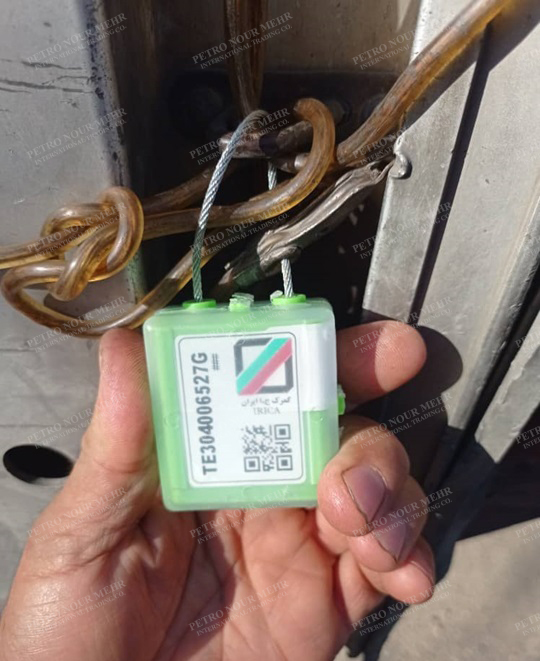
sealing the container

one example of sealing the container

Common Issues and Losses Due to Improper Petrochemical Transport

1. Improper Packaging: Packaging export of petrochemical products must be done correctly, adhering to relevant standards and regulations for the destination. This includes using appropriate packaging, proper labeling, and safe transport of petrochemical products. International standards for packaging and labeling can vary, and specific regulations exist to ensure product safety and compliance with local standards. Therefore, the handler must pay attention to these requirements during the petrochemical transport process. Examples of inadequate packaging in the petrochemical export industry include:

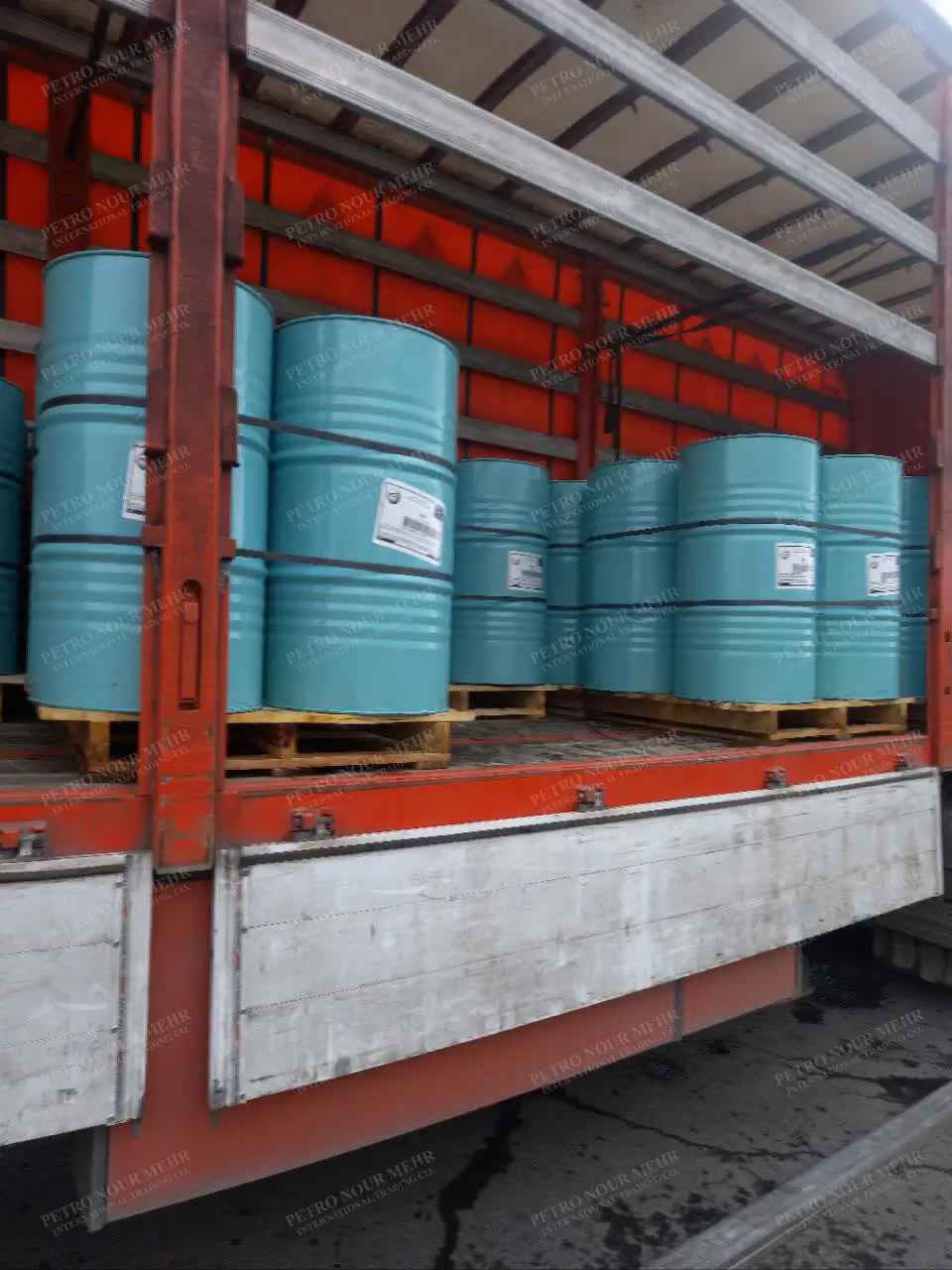
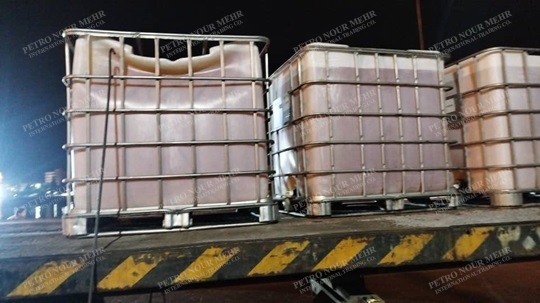
  • For chemical petrochemical exports: Often, chemicals are exported from Iranian petrochemical plants in IBC barrels or metal and plastic drums. If the barrels are defective or not securely closed, there is a risk of chemical spillage.
  • Improper Packaging

    Examples of improper packaging in petrochemical exports.

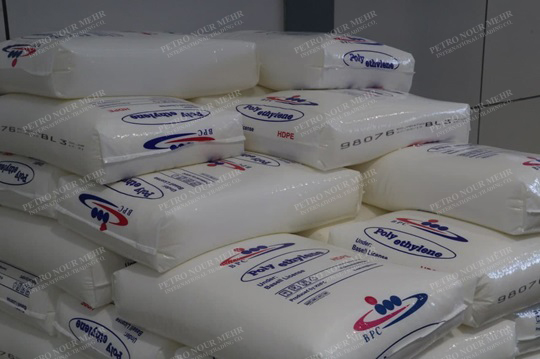
  • For polymer petrochemical exports: Before loading, ensure that a quality packaging guarantee is obtained from the factory. Although packaging is usually done with care and quality, it is essential to ensure proper packaging for polymers from smaller or local factories.
  • Improper Packaging

    Packaging of petrochemical bags on pallets

2. Demurrage in Petrochemical Transport (Land and Rail): Demurrage charges are typically calculated on a daily rate, starting from the time the shipment is delivered and notification is received regarding unloading or arrival at the destination. These charges begin accruing after the free time period ends and are calculated daily. Demurrage costs are billed separately from transport fees and are charged when the consignee fails to meet their obligations.

  • Free Time: In container shipping, customers are given a specified period to unload their containers. If the cargo is not delivered within this period, the party holding the cargo must pay the demurrage charges.
  • For instance, if you receive 10 containers of petrochemical products and deliver them 10 days after the free time period, with a cost of $75 per container per day, you would incur $7,500 in demurrage charges. This highlights the importance of timely loading and readiness of rail wagons to avoid such costs.

3. Exceeding Weight Limits: Ensure compliance with shipping or road transport regulations to avoid fines related to weight limits during petrochemical transport.

4. Working with Inexperienced Companies: Collaborate only with companies familiar with international transport and petrochemical transport principles.

5. Non-Registered Companies: Work exclusively with companies that are registered and authorized by Iranian petrochemical plants to handle petrochemical exports.

6. Use of Outdated or Invalid Equipment: Ensure that transport vehicles, including wagons and containers, meet international safety and maintenance standards for petrochemical transport.

7. Inadequate Documentation and Product Specifications: Ensure timely preparation of all required documents and product specifications for petrochemical transport and customs processes.

8. Lack of Familiarity with Local Regulations: Understand and comply with local regulations for the delivery of petrochemical exports in different Iranian cities to avoid delays and demurrage costs.

9. Failure to Use Standard Transit Vehicles: Select appropriate transit vehicles as per customs standards for polymer export and petrochemical transport.

10. Issuance of Bills of Lading Without Proper Insurance: Avoid issuing bills of lading without adequate insurance, which increases transport risks.

11. Use of Worn-Out Transit Vehicles: Avoid using outdated vehicles for domestic or international transport of petrochemical exports to prevent breakdowns or accidents.

12. Issuing Bills of Lading Above Agreed Prices: Ensure that bills of lading are issued at agreed prices to prevent unnecessary additional charges to customers.

13. Excess Charges for Container Damage: Avoid unjustified extra charges for container damage during transport or loading of petrochemical products.

14. Fraudulent Practices: Prevent fraud through document forgery and unauthorized charges for petrochemical exports.

15. Incorrect Vehicle Type Selection: Choose appropriate vehicles for petrochemical transport to avoid unused space and additional costs.

16. Smuggling and Customs Seizures: Ensure that all goods are properly declared to avoid seizure by customs.

17. Inaccurate Weighing and Order Matching: Verify and match petrochemical products weights with buyer orders.

18. False Claims by Transit Drivers: Address any false claims by drivers regarding vehicle breakdowns or delays.

19. Non-Compliance with Sanctions: Be aware of and comply with sanctions to prevent customs seizures of petrochemical exports.

20. False Claims for Border Delay: Prevent companies from making false claims about delays at border customs to extract additional fees.

21. Improper Border Crossing Selection: Ensure proper border crossing to avoid delays in petrochemical transport.

22. Issuing Bills of Lading from Incorrect Cities: Issue bills of lading from the correct location to avoid customs issues.

23. Disclosure of Client Information: Prevent unauthorized disclosure of client or factory information to competitors.

24. Theft During Transit: Ensure proper oversight to prevent theft of petrochemical products during transit.

25. Improper Loading: Ensure correct loading of petrochemical exports to avoid damage and loss.

26. Storage Fees: Prevent unnecessary storage fees by timely dispatch of vehicles for loading from Iranian petrochemical plants.

Our company reduces the risk of penalties and delays with extensive experience and a strong logistics services network, offering secure, swift, and cost-effective international transport solutions. By choosing us, you ensure your petrochemical exports are handled with the utmost care, from loading to delivery.