
Toluene Diisocyanate
Toluene Diisocyanate, commonly known as TDI, is a versatile chemical compound predominantly used in manufacturing flexible polyurethane products. It is produced by reacting toluene with phosgene, serving as a vital ingredient in various industrial sectors including automotive seating, upholstery, coatings, adhesives, sealants, and elastomers. Globally, TDI is supplied by numerous producers, underscoring its critical role in the creation of high-performance polyurethane goods.
Unlike MDI which is typically used for rigid foams and insulation due to its lower reactivity and greater stability in coatings and adhesives TDI is favored for flexible foams because of its higher reactivity. This increased reactivity, however, also makes TDI more toxic, necessitating stricter safety protocols during its handling and processing.
Exporting TDI to countries around the world at competitive rates has been a significant achievement for many producers in recent years.
If you’re looking for the best TDI Price, feel free to contact the sales department of your trusted TDI supplier for the latest updates and purchasing options.
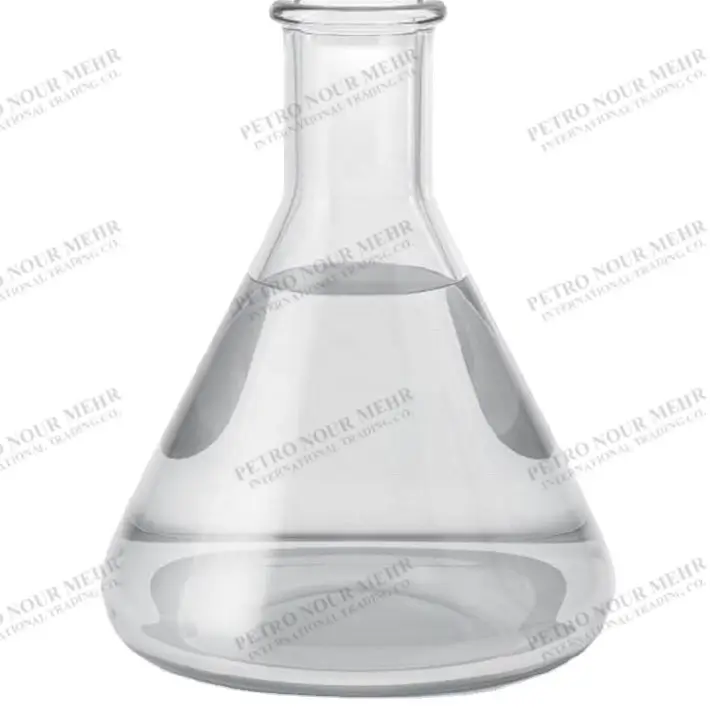
Analysis of TDI grades
You can find the list of TDI products in the table below:
To view other chemical products, you can click here.
TDI Manufacturers in Iran
In Iran’s petrochemical industry, several manufacturers and production units are involved in the production of TDI (Toluene Diisocyanate). These companies include:
- Karun Petrochemical Company
These units are among the largest TDI producers in Iran and play a significant role in meeting domestic needs and exporting this product to global markets at competitive prices.
Applications of TDI
Toluene Diisocyanate is a highly versatile TDI chemical that is widely used across various industries due to its highly reactive properties and flexibility. As a key component in the production of polyurethane foams, TDI finds applications in several sectors. Some of its common uses include:
- Automotive Industry: In the automotive industry, TDI-based polyurethane foams are used for seat cushions, headrests, armrests, and interior trim components. These foams provide comfort, durability, and versatility, making TDI an integral part of automotive manufacturing.

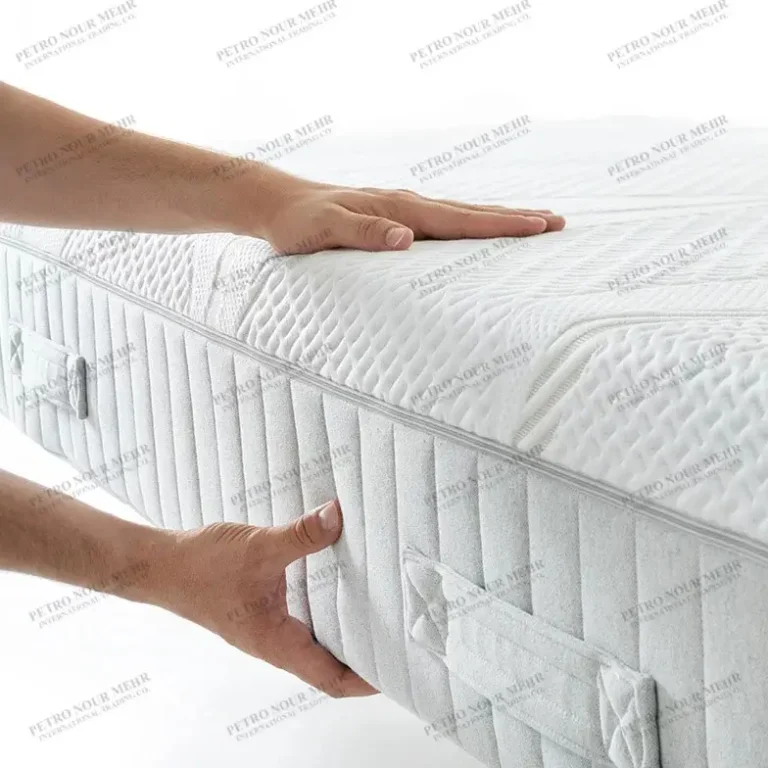
- Furniture Manufacturing: TDI-based foams are extensively used in the furniture industry for manufacturing mattresses, sofas, chairs, and other upholstered furniture items. The cushioning properties of TDI make it ideal for creating comfortable and durable furniture.
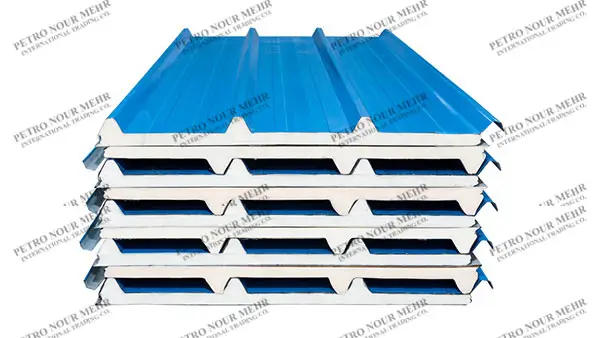
- Construction Sector: TDI is employed in the construction sector for producing both rigid and flexible polyurethane foams used in insulation panels, sealants, adhesives, and coatings. TDI plays a critical role in enhancing energy efficiency and structural integrity in modern construction.
- Footwear Industry: TDI-based polyurethane foams are used in the production of shoe soles and inserts due to their excellent cushioning and shock-absorbing properties. This makes TDI an important material in the footwear industry for ensuring comfort and durability.

- Marine and Aerospace: TDI-based polyurethane foams find applications in the marine and aerospace industries for insulation, buoyancy, and structural reinforcement purposes. The unique properties of TDI make it ideal for these demanding industries.

- Insulation Materials: Toluene Diisocyanate is commonly used in the production of insulation materials due to its ability to form polyurethane foams with excellent insulating properties. This makes TDI an essential TDI chemical in energy-efficient solutions.
- Packaging Materials: Polyurethane foams made from TDI are utilized in packaging applications to protect fragile items during transportation and storage. These foams provide a lightweight and protective solution for a wide range of products.
These are just a few examples of the many applications of TDI in various industries. Its versatility and performance characteristics make TDI a valuable material in manufacturing. However, it is important to be aware of the associated hazards. Proper handling and safety precautions are essential when working with TDI chemicals to minimize risks to human health and the environment.
Storage conditions of TDI
The storage conditions for Toluene Diisocyanate are critical to ensure its stability and safety. Here are the key storage guidelines for TDI:
- Temperature: This material should be stored at temperatures below 25°C to prevent decomposition and minimize the risk of hazardous reactions. Avoid exposure to high temperatures, as elevated temperatures can accelerate the degradation of this TDI chemical.
- Humidity: This material should be stored in a dry environment to prevent moisture absorption, which can lead to chemical reactions and the formation of unwanted by-products. Maintain low humidity levels in the storage area to preserve the quality of this TDI chemical.
- Ventilation: Adequate ventilation is essential in the storage area to prevent the accumulation of vapors and to maintain air quality. Ensure good airflow to minimize the concentration of its vapors and reduce the risk of inhalation exposure.
- Light: It should be stored in opaque containers or in a dark environment to protect it from exposure to light, especially ultraviolet (UV) radiation. Light can promote degradation reactions in this TDI chemical, leading to changes in chemical composition and decreased product quality.
- Compatibility: Store this material away from incompatible materials and substances, such as strong oxidizing agents, acids, bases, and moisture-sensitive compounds. Segregate this material from these materials to prevent chemical reactions and potential hazards.
- Container: It should be stored in tightly sealed containers made of compatible materials, such as steel drums or containers specifically designed for TDI chemical storage. Ensure that containers are properly labeled and in good condition to prevent leaks or spills.
- Handling: Exercise caution when handling this material to minimize the risk of exposure. Use appropriate personal protective equipment (PPE), such as gloves, goggles, and respiratory protection, when working with Toluene Diisocyanate. Follow safe handling procedures and avoid direct contact with the skin or inhalation of vapors.
By following these storage guidelines, you can maintain the integrity and safety of this material throughout its storage period.

Packaging for TDI
Toluene Diisocyanate, a widely used chemical in various industries, is commonly packaged and stored in several types of containers designed for its transportation and usage. The packaging for TDI typically includes:
- Drums: TDI is often packaged in standard-sized drums made from materials like carbon steel, stainless steel, or high-density polyethylene (HDPE). These drums typically have a capacity ranging from 200 liters to 250 liters, making them suitable for bulk storage and transportation.
- Intermediate Bulk Containers (IBCs): TDI may also be stored and transported in IBCs, large containers with a capacity of 1000 liters or more. IBCs are constructed from materials like composite materials and have a pallet base for easy handling and transport.
- Tanker Trucks: For bulk transportation, TDI is often transported in tanker trucks or railcars. These specialized vehicles are designed to safely carry large quantities of liquid chemicals and may include built-in heating or cooling systems to maintain the required temperature during transit.
- ISO Tanks: TDI can also be shipped internationally in ISO tanks, standardized containers for intermodal transportation by road, rail, or sea. These containers have a similar capacity to tanker trucks and provide an efficient, secure way to transport TDI in liquid form.
- Flexitanks: In some cases, TDI may be transported in flexitanks, large flexible containers made from materials like polyethylene. These containers are designed to fit into standard shipping containers and can hold up to 24,000 liters of liquid, offering a cost-effective solution for transporting TDI in bulk.
Regardless of the packaging type, it is essential to ensure that containers are properly sealed, labeled, and handled following safety regulations and guidelines to prevent spills, contamination, or other hazards during storage and transportation. TDI producers offer a variety of packaging options, and TDI prices also vary depending on the type of packaging used.
Producing Products Using TDI at Manufacturers
TDI producers such as Covestro and Bayer utilize Toluene Diisocyanate as a critical raw material in their production processes. Covestro specializes in producing a wide variety of polyurethane products, including flexible foams, adhesives, and coatings, ensuring exceptional performance and comfort in automotive, furniture, and construction applications. Meanwhile, Bayer, a global leader in TDI chemical utilization, operates multiple production facilities across the U.S., supporting industries such as footwear, textiles, and electronics. The competitive TDI price offered by these producers highlights the efficiency and sustainability of their operations in meeting both global and domestic demands for Toluene Diisocyanate.
TDI Characteristics
Toluene Diisocyanate (TDI) is a colorless to light yellow liquid with a faint aromatic odor at room temperature. It is highly reactive and soluble in various organic solvents, including alcohols and ketones, and has a relatively low melting point compared to other chemicals in its category. TDI is also moisture-sensitive, reacting with water to form polyurethane compounds. Its chemical formula is C₈H₆N₂O₂.
TDI is an organic compound with two isocyanate (-NCO) groups, which contributes to its distinct chemical reactivity. With a molecular weight of 174.14 grams per mole (g/mol), TDI has a high density and is widely used in the production of polyurethane foams, coatings, and adhesives across industries such as automotive, construction, and furniture.
Advantages and Disadvantages of TDI
This material has several advantages and disadvantages, particularly in its applications in various industries. Here are some of the key advantages and disadvantages of TDI:
Advantages
- Versatile Usage: This material is widely used in the production of polyurethane foams, coatings, adhesives, sealants, and elastomers, making it a versatile TDI chemical compound with diverse applications across industries such as automotive, construction, furniture, and textiles.
- Excellent Insulation Properties: Polyurethane foams produced using TDI exhibit excellent insulation properties, making them suitable for thermal insulation applications in buildings, refrigeration, and appliances.
- High Strength and Durability: Polyurethane products made from this material are known for their high strength, durability, and resistance to wear and tear, providing long-lasting performance in various end-use applications.
- Customizable Properties: The properties of polyurethane materials can be customized by adjusting the formulation and processing parameters, allowing manufacturers to tailor the final product to meet specific performance requirements.
- Good Adhesion: TDI-based polyurethane adhesives offer good adhesion to a wide range of substrates, making them suitable for bonding diverse materials in construction, automotive, and manufacturing industries.
Disadvantages
- Toxicity: This material is considered toxic and can cause irritation to the skin, eyes, and respiratory system upon exposure. Prolonged or high-level exposure to TDI vapors may lead to respiratory problems, asthma, or allergic reactions in sensitive individuals.
- Sensitization and Health Risks: Exposure to TDI chemical can lead to sensitization, where individuals develop allergic reactions upon subsequent exposure, even at lower concentrations. Occupational exposure to its vapors poses health risks to workers in industries involved in its handling and processing.
- Environmental Concerns: This material and its manufacturing by-products may pose environmental hazards if not properly managed. Spills, leaks, or improper disposal of TDI-containing materials can contaminate soil, water, and air, potentially harming ecosystems and human health.
- Regulatory Compliance: Toluene Diisocyanate is subject to regulatory restrictions and guidelines due to its toxicity and potential health hazards. Manufacturers and users of TDI-containing products must adhere to safety regulations, handling procedures, and exposure limits set by regulatory authorities to minimize risks to human health and the environment.
- Cost: The production and handling of TDI chemical require specialized equipment and safety measures, which may increase production costs. Additionally, TDI price and regulatory compliance measures, as well as health monitoring programs, add to the overall cost of TDI-containing products.
Overall, while Toluene Diisocyanate offers significant advantages in its diverse applications, careful handling, proper safety measures, and regulatory compliance are essential to mitigate its potential health and environmental risks.
Physical and Chemical Properties of TDI
This material has both physical and chemical properties that make it ideal for various industrial applications, particularly in producing polyurethane foams, coatings, adhesives, and elastomers. Here are some of its key properties:
Physical Properties
- Appearance: TDI is typically a colorless to pale yellow liquid at room temperature, though it may also appear in solid form depending on temperature and concentration.
- Odor: Toluene Diisocyanate has a distinct, pungent odor, which may vary depending on its concentration and purity.
- Melting Point: The melting point of TDI chemical typically ranges from -20°C to -15°C, depending on its specific chemical structure and form.
- Boiling Point: TDI generally has a high boiling point, typically above 250°C, which makes it stable at elevated temperatures.
- Density: The density of TDI chemical is approximately 1.0 to 1.1 g/cm³, based on its molecular structure and form.
Chemical Properties
- Reactivity: TDI is highly reactive due to the presence of two isocyanate groups in its molecule. These groups readily react with compounds containing active hydrogen atoms, such as polyols, to form polyurethane polymers.
- Polymerization: Toluene Diisocyanate undergoes polymerization reactions when mixed with polyols, leading to the formation of polyurethane chains. This reaction is exothermic and occurs rapidly under appropriate conditions.
- Crosslinking: Polyurethane systems based on TDI can undergo crosslinking reactions, contributing to the development of mechanical properties such as strength, elasticity, and dimensional stability.
- Solubility: TDI is generally insoluble in water but can dissolve in many organic solvents, including acetone, methylene chloride, and aromatic hydrocarbons.
Overall, the physical and chemical properties of TDI make it a valuable component in the synthesis of polyurethane materials used in various industries. However, its reactivity and potential hazards require careful handling and processing to ensure safety and product quality.
Types of TDI Grades
This material is typically available in different grades, which may vary slightly in their chemical composition, purity, and properties. The two main types of this material grades commonly found in the market are:
- TDI 80/20: This grade is typically contains a mixture of two isomers: 80% 2,4-toluene diisocyanate (2,4-TDI) and 20% 2,6-toluene diisocyanate (2,6-TDI). It is the most commonly used grade of TDI due to its balanced properties and cost-effectiveness.
- TDI 65/35: This grade also contains a mixture of two isomers: 65% 2,4-toluene diisocyanate (2,4-TDI) and 35% 2,6-toluene diisocyanate (2,6-TDI). It may offer slightly different properties compared to TDI 80/20 and is sometimes preferred for specific applications where its characteristics are advantageous.
These two grades are the most widely used, but other variations may exist depending on specific manufacturer specifications and customer requirements. The choice of this material grade depends on factors such as the intended application, desired performance characteristics, and regulatory compliance considerations.
Comparison between TDI and MDI
TDI and MDI are both important isocyanates used in polyurethane production, but they differ in applications and properties. TDI is suitable for flexible foams and has higher reactivity, while MDI is used for rigid foams and insulation with lower reactivity. TDI is more toxic and requires more precautions, while MDI is more stable. TDI is cheaper and used for flexible foams, while MDI is used for specialized applications like coatings and adhesives.
How to buy MDI?
- Buy from a reputable and authorized supplier that holds necessary certifications and guarantees quality.
- Compare the prices of these materials in different markets and compare them with the global market price.
- Examine the sales conditions regarding quantity, delivery time, packaging, transportation methods, and payment terms.
- If you intend to import MDI from foreign countries, investigate customs and legal regulations and comply with export and import regulations.
- Contact Petro Nour Mehr Company to obtain the most suitable export price based on your conditions.
- After signing the contract, you can place your order.
- Secure and suitable payment methods according to customer preferences are provided by the company.
- Then, the loading stage is completed by selecting and introducing a transport company.
- Necessary documents for customs clearance at the destination city are also provided to customers by Petro Nour Mehr Company.
- sales@petronourmehr.com
- +98 219-100-7557
For all inquiries, please don’t hesitate to contact our sales department using the form below.