
Polypropylene, commonly abbreviated as PP, is one of the most widely used and important polymers in the world. It is the second most consumed plastic globally, after polyethylene. Key characteristics of this polymer include its light weight, heat and shock resistance, chemical resistance, and electrical insulation properties. Due to these features, polypropylene is utilized in various industries, including packaging, automotive, electronics, and textiles. Additionally, this polymer is recyclable and can be reused, contributing to its environmental sustainability.
Polypropylene has an approximate density of 0.9 gr/cm3 and is resistant to moisture, oils, and common solvents, with a melting point around 170 . As a non-toxic and odorless material, polypropylene burns with molten droplets similar to a candle and produces flames that are free of smoke.
Moreover, industrial polypropylene, due to its non-absorbent nature, is increasingly used in plastic and fiber industries compared to other polymers. The use of polypropylene is on the rise, and it is projected that global production will reach 210 million tons by 2030. Currently, the supply of this polymer significantly exceeds the demand.
To obtain more precise information on Polypropylene (PP) prices or product purchases, it is better to contact the Petro Nour Mehr Company’s sales department.
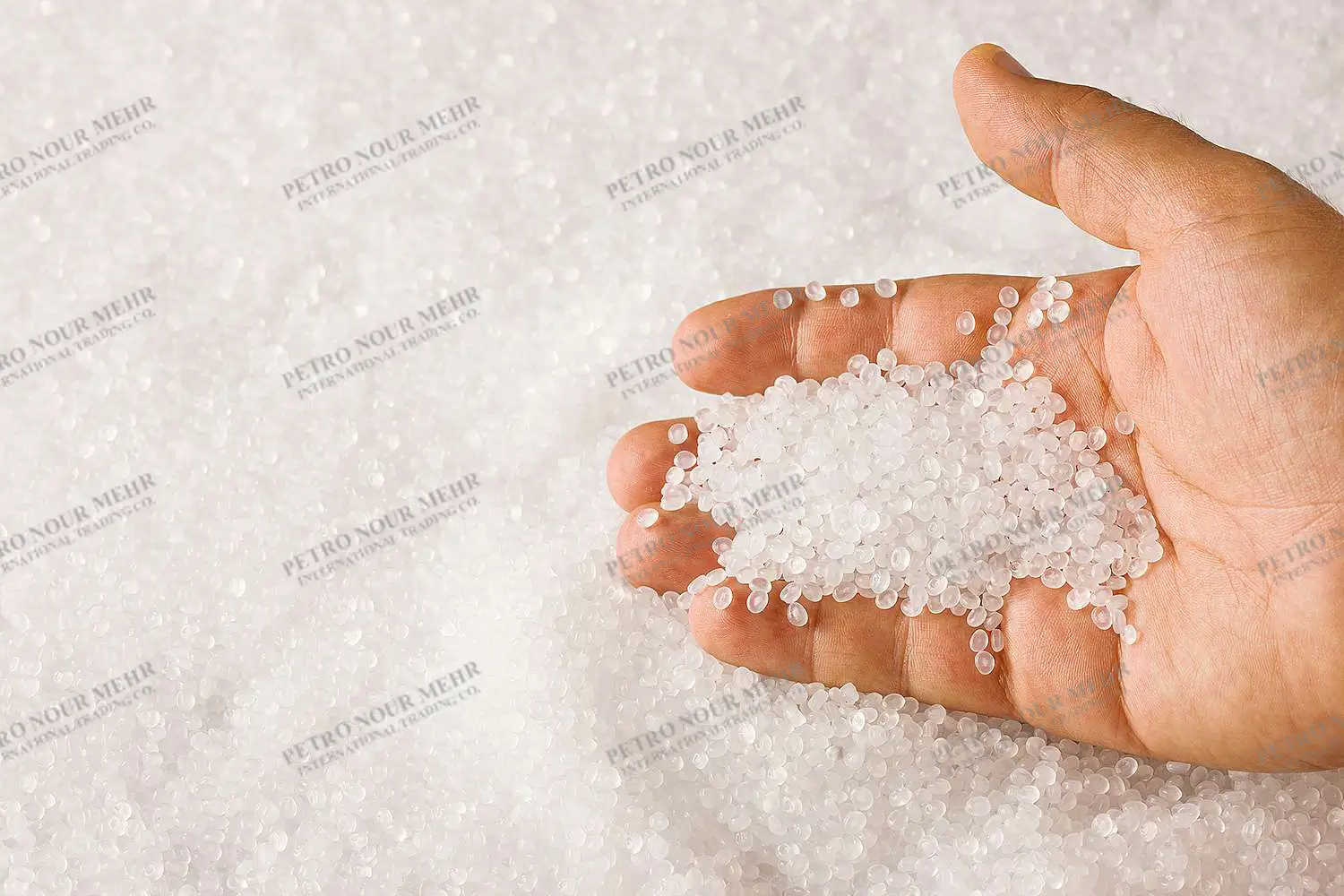
Analysis of Polypropylene grades
You can find the list of Polypropylene products in the table below:
To view other polymer products, you can click here.
Polypropylene Manufacturers in Iran
Marun, Jampilen, Shazand Arak Petrochemicals and other domestic factories are producers of this polymer material in Iran.
These units are among the largest Polypropylene producers in Iran and play a significant role in supplying domestic needs and exporting this material to global markets.
Polypropylene Manufacturers Worldwide
There are numerous companies worldwide that manufacture polypropylene. Some of the largest and most well-known companies in this field include:
- LyondellBasell Industries: One of the largest producers of polypropylene polymers in the world, headquartered in Houston, Texas.
- ExxonMobil Chemical: Another major producer of polypropylene polymers, with its headquarters located in Irving, Texas.
- Dow Chemical Company: Dow Chemical is also a significant producer of polypropylene polymers in the United States, headquartered in Midland, Michigan.
These manufacturers are just a few examples of companies involved in the production of polypropylene globally. Additionally, there are many other companies in the industry that produce various types of this polymer.
Applications of Polypropylene
Polypropylene, as a highly versatile polymer, finds extensive applications in various fields including household consumer goods, transportation, packaging, and other industries. In this section, we will delve into the detailed applications of this remarkable material:
- Packaging: Polypropylene has found widespread use in the packaging industry due to its affordability, transparency, high impact resistance, and tensile strength. With the advancement of technology and the increasing demand for packaged products, this material has replaced many traditional packaging materials like paper bags.
Nowadays, polypropylene is used in the production of various bottles, containers, plastic buckets, disposable cups, caps, and glass jars. The extensive use of this plastic in packaging food and non-food items is due to its high resistance to chemical reactions, which prevents food spoilage and breakage of fragile items.
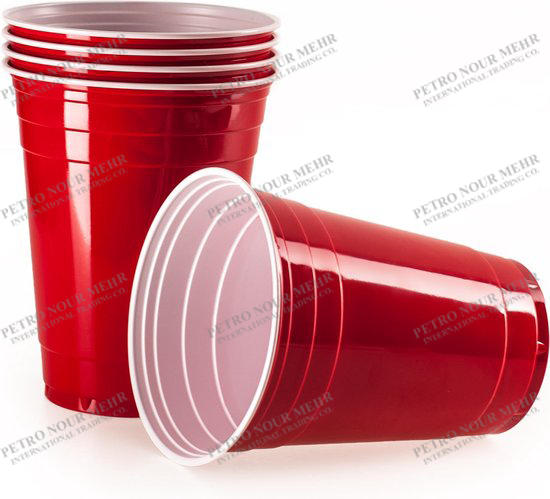
- Automotive Industry: Polypropylene, with its outstanding mechanical properties, electrical insulation, physical durability, economic cost, and excellent moldability, is widely used in the automotive industry.
This material is utilized in the production of dashboards, fenders, door components such as handles, interior trims, and bumpers. Additionally, due to its chemical resistance, low thermal expansion coefficient, and lightweight, it is used in specific automotive parts.

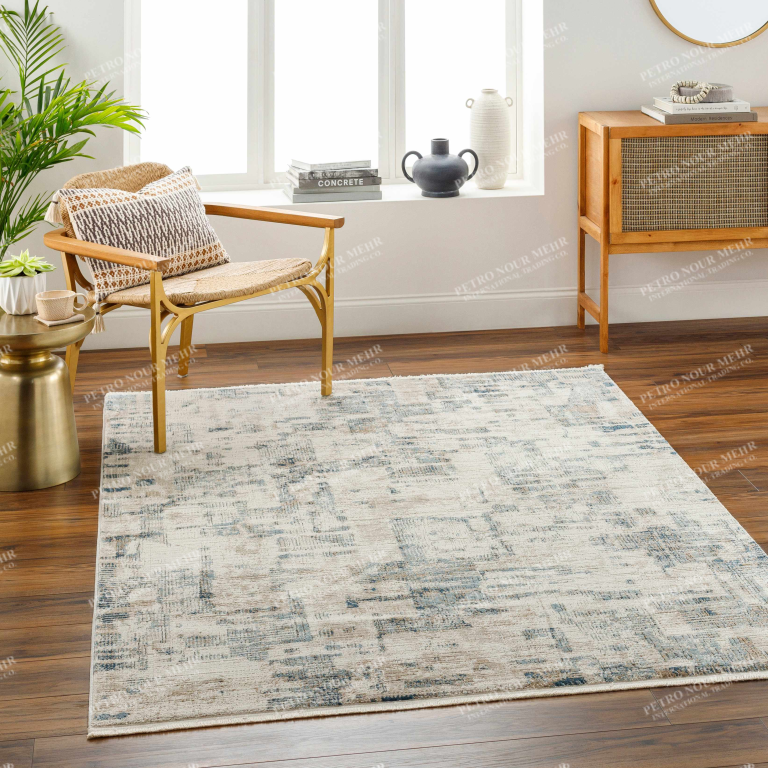
- Textile Industry: Polypropylene is popular in textile production due to its resistance to contamination and bacteria, high flexibility, and ease of cleaning. It is used in the manufacturing of machine-made carpets, ropes, fabrics, various clothing items, rugs, and some personal hygiene products.
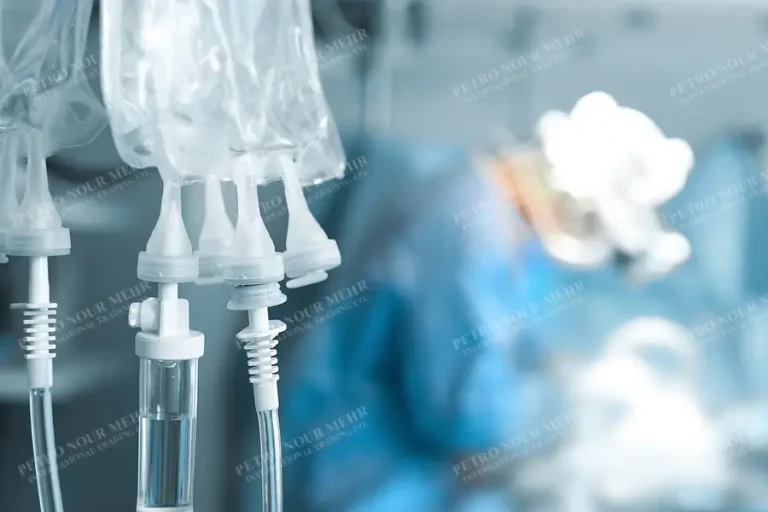
- Medical Industry: Polypropylene is highly suitable for medical and laboratory applications due to its resistance to microbes, non-absorbency of contaminants, chemical resistance, and easy sterilization. This material is used in making medical instruments, sutures, laboratory containers, disposable syringes, drug storage containers, and IV bottles.
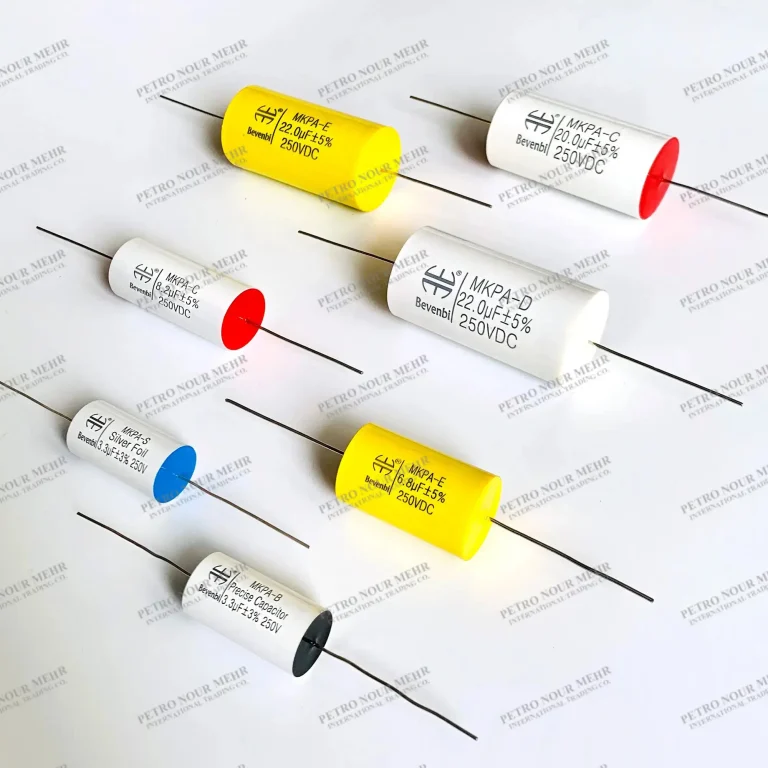
- Electrical and Electronics: Due to its insulating properties, polypropylene is widely used in electronic products. This material is used in the production of electrical meters, fuses, capacitors, electrical switches, cables, and control panels for electrical devices. It is also used in specialized electrical applications requiring high safety sensitivity.
- Household Goods: Polypropylene is used in manufacturing many household items due to its light weight, high strength, and resistance to contamination. It is used in making trash cans, furniture, food storage containers, decorations, and other items. Additionally, it is used in outdoor products such as garden pots and chairs due to its resistance to various weather conditions.
- Construction Industry: Polypropylene is widely used in construction due to its flexibility against water, chemicals, and UV rays. This material is used in the production of pipes, fittings, roof insulations, and plastic mats. Its high durability and longevity make it a preferred choice for other construction applications as well.
- Agriculture: Polypropylene, being resistant to chemicals, moisture, and UV rays, has diverse applications in agriculture. This polymer is used in making ropes, twines, greenhouse covers, and protective films for agricultural products. It helps protect crops, provide shade, and increase productivity in fields and greenhouses.
In summary, polypropylene, as a multifunctional thermoplastic polymer, is used in various industries and products. Due to its combination of practical features like high chemical resistance, durability, lightweight, and high-temperature tolerance, it is the preferred choice for manufacturers.
Polypropylene is extensively employed in industries such as packaging, automotive, textiles, medical, electrical and electronics, household goods, construction, and agriculture.
This material plays a crucial role in the structure of numerous goods and industrial applications, including food containers, automotive parts, agricultural products, and medical equipment. Polypropylene, due to its high environmental compatibility and sustainable performance, offers extensive flexibility for a wide range of products, facilitating creativity and sustainability in various industries.
Storage Conditions for Polypropylene
This polymer material can be stored under various conditions, but there are some guidelines for better preservation of their quality:
- It is best to store these materials in a cool and dry environment, with the optimal storage temperature being below 50 .
- Protect the material from direct sunlight and UV light, as these lights can cause changes in its physical and chemical properties.
- Polypropylene react with certain chemicals such as solvents and acids. Therefore, it is better to avoid direct contact with these types of materials.
- Make sure the material has protection from impacts and scratches while being stored and transported, since physical harm may cause modifications to its mechanical and structural characteristics.
- The packaging of these materials should be made of suitable materials that protect against environmental changes and prevent water and moisture penetration into the packaging.
- For some specific products, special storage conditions may be required. In this case, refer to the manufacturer’s guidelines.
Packaging for Polypropylene
Polypropylene granules can be packaged and exported using a variety of techniques, depending on the product’s needs, the environment, and ease of export shipping. Below are some common methods for packaging and exporting Polypropylene granules:
- Packaging in Jumbo Bags: This method is common for packaging Polypropylene granules, where the granules are packed into large bags with varying capacities (usually between 500 to 2000 kilograms). These bags, besides protecting the product from contamination and moisture, are suitable for road, sea, and air transportation.
- Packaging in Small Bags: In this method, the granules are packed into smaller bags with a capacity of about 20 to 25 kilograms.
- Use of Pallets: Polypropylene granules are usually packed on large pallets for transportation purposes.
When choosing the right packaging and export techniques for Polypropylene granules, meeting international packaging standards, labeling, and transportation requirements can be essential. Ensuring that the product is protected during shipment against shocks, moisture, and environmental damage is also crucial.
Advantages and Disadvantages of PP
Polypropylene (PP) offers several notable advantages over other polymers. Firstly, its affordability is attributed to the lower cost of propylene monomer compared to other monomers. Secondly, its lightweight nature makes it a preferred material in applications where reducing weight is crucial. Additionally, the production cost of polypropylene is lower compared to other polymers, and its use in alloy form with other polymers is on the rise. The flexibility of polypropylene allows it to be produced with varying physical and chemical properties, resulting in diverse applications across different industries such as medical equipment. Moreover, the development of specific grades of polypropylene is ongoing, making it a suitable replacement for other polymers like PS (Polystyrene) and PE (Polyethylene).
However, polypropylene also has certain drawbacks. It has a high coefficient of thermal expansion, which can impose limitations for applications involving temperature variations. Additionally, it is sensitive to UV radiation, leading to degradation over time. Polypropylene also has lower resistance to chlorinated and aromatic solvents. Furthermore, it exhibits weaker bonding properties, is flammable, and is prone to oxidation. These disadvantages need to be carefully considered when deciding to use this material to ensure its effective and safe application.
Physical and Chemical properties of PP:
Polypropylene is a highly versatile polymer with numerous physical and chemical properties. Below are some of these properties:
- Density: The density of polypropylene is approximately 0.9 gr/cm3, which is relatively low compared to other polymers.
- Impact and Flexural Resistance: This polymer exhibits high impact and flexural resistance, making it suitable for packaging and automotive parts.
- Heat Resistance: Polypropylene has good heat resistance and can perform well at temperatures ranging from -20 to 110 .
- Transparency: In its pure state, polypropylene has greater transparency, but it can become less transparent with the addition of additives.
- Chemical Resistance: This polymer has good resistance to many chemicals, including acids, bases, oils, and organic solvents.
- Corrosion and Discoloration Resistance: Polypropylene shows adequate resistance to rust and discoloration from external factors.
- Recyclability: Polypropylene is recyclable, which helps the environment, and its recycling is important in the production of other products.
- UV Sensitivity: This polymer has lower sensitivity to UV rays, but proper care must be taken when used outdoors.
Due to these properties, polypropylene is one of the most widely used polymers in the plastic industry.
Types of Polypropylene grades:
Polypropylene (PP) is available in several grades, each designed for specific applications based on their properties and characteristics. Some common types of polypropylene grades include:
- Homopolymer Polypropylene (PP-H): This type is made from pure propylene monomer without any structural changes. It has high impact resistance and is used in industries that require materials with high mechanical strength.
- Random Copolymer Polypropylene (PP-R): This grade is produced by incorporating random comonomers, such as ethylene, into the polypropylene structure. It offers improved properties such as heat resistance and electrical characteristics and is used in the production of electronic parts and heat-sensitive applications.
- Impact Copolymer Polypropylene: This type is made by blending polypropylene with rubber or elastomers to improve impact resistance. It is used in applications where toughness and impact strength are critical, such as automotive parts.
- Polypropylene Composite (PP-Comp): This grade is a blend of polypropylene with other materials such as glass fibers or minerals to enhance mechanical properties such as stiffness, strength, and dimensional stability.
- Polypropylene Fibers: These are high-strength fibers made from polypropylene. They are used in various applications, including textiles, ropes, and geotextiles, due to their excellent chemical resistance and durability.
- Polypropylene Films: This grade is used in the production of thin films and sheets. It offers good optical properties, high stiffness, and excellent moisture barrier properties, making it suitable for packaging applications.
This material, which is recyclable, is known as an environmentally friendly plastic. However, it is necessary to consider its weaknesses as well, such as sensitivity to sunlight and certain chemicals. Nevertheless, due to its wide range of applications and numerous advantages, polypropylene is recognized as one of the primary plastics in the industry.
Comparison between Polypropylene and Polyethylene:
By comparing PP and PE polymers, it can be concluded that both polypropylene and polyethylene polymers are two types of plastic with relatively similar characteristics and functions. Sometimes it is even difficult to distinguish them.
However, each of them has certain characteristics that stand out as the difference between these two polymers. These features include: In terms of chemical and temperature resistance, polypropylene has much better resistance at high temperatures than polyethylene. From a flexibility point of view, polyethylene is a very elastic material that is easily stretched and is suitable for various applications, including food packaging, while polypropylene is less flexible, which makes it harder to break than other polymers.
In terms of brightness and color, polypropylene is lighter than polyethylene, and in its natural state, it is white and completely transparent, which is more suitable for painting. While polyethylene is colorless. Regarding the possibility of recycling, both types of polymers are recyclable, but polyethylene is more recyclable and you can find different types of polyethylene granules in the market. Choosing between polypropylene and polyethylene depends on the unique features you need. Knowing the difference between the two can help you make the right choice.
- Buy from a reputable and authorized supplier that holds necessary certifications and guarantees quality.
- Compare the prices of these materials in different markets and compare them with the global market price.
- Examine the sales conditions regarding quantity, delivery time, packaging, transportation methods, and payment terms.
- If you intend to import Polypropylene from foreign countries, investigate customs and legal regulations and comply with export and import regulations.
- Contact Petro Nour Mehr Company to obtain the most suitable export price based on your conditions.
- After signing the contract, you can place your order.
- Secure and suitable payment methods according to customer preferences are provided by the company.
- Then, the loading stage is completed by selecting and introducing a transport company.
- Necessary documents for customs clearance at the destination city are also provided to customers by Petro Nour Mehr Company.
- sales@petronourmehr.com
- +98 219-100-7557
For all inquiries, please don’t hesitate to contact our sales department using the form below.