
Sodium Sulfide
Sodium Sulfide is a highly important chemical compound that plays a key role in various industrial applications. It is commonly used in the production of leather, paper, and textiles, as well as in the manufacturing of detergents, dyes, and in chemical processing. Sodium Sulfide is also essential in the extraction of metals from their ores and is widely used in the oil and gas industry.
At Petro Nour Mehr, we have established a strong presence in the global market by providing competitive prices for Sodium Sulfide. Whether you are looking for Sodium Sulfide in bulk or need specific details regarding its applications and pricing, our team is ready to assist you.
If you are interested in purchasing Sodium Sulfide at the most affordable prices or require additional information on Sodium Sulfide pricing and purchasing options, please feel free to contact the sales department of Petro Nour Mehr for the latest updates and special offers.
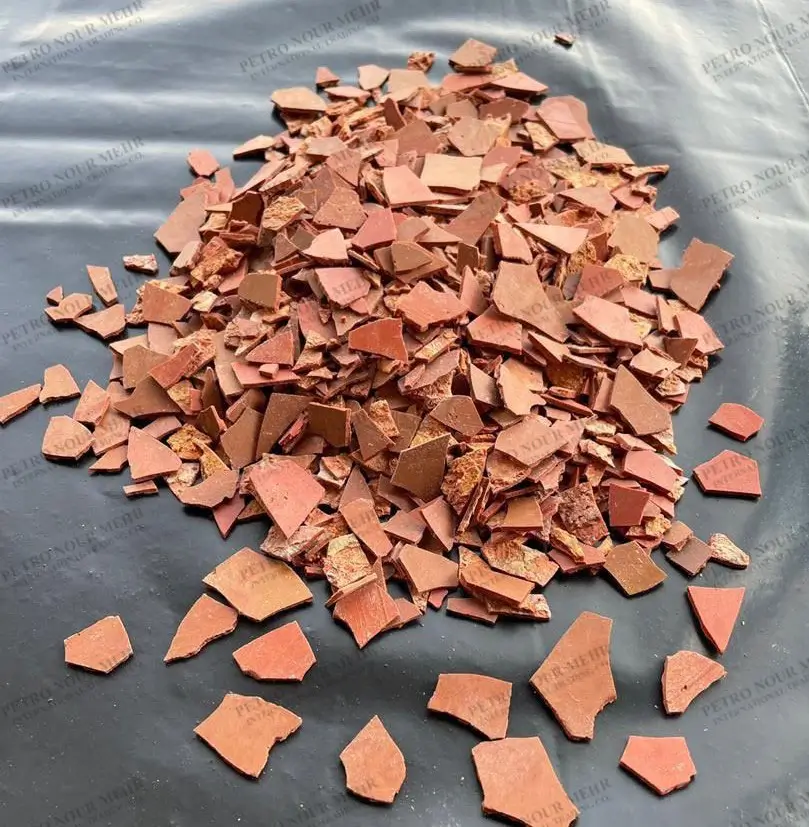
Sodium Sulfide Manufacturers in Iran
Several of the most well-known and reputable factories in Iran are leading producers of Sodium Sulfide, making significant contributions to both the domestic and international markets.
These manufacturing units are among the largest producers of Sodium Sulfide in Iran and play a crucial role in fulfilling domestic demand while also exporting this essential product to global markets at competitive prices.
Applications of Sodium Sulfide
Sodium Sulfide, with the chemical formula Na₂S, is a chemical compound used in various industries. Some of the applications of this compound include:
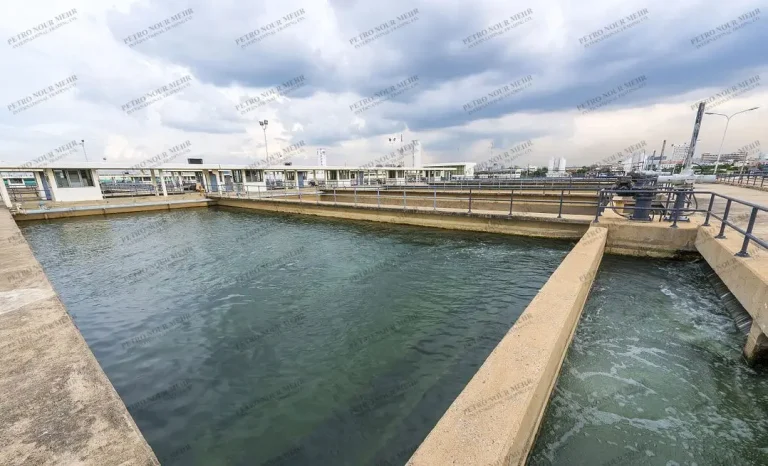
- Water treatment: This material is widely used as a chemical compound in water and wastewater treatment processes. It is employed to remove oxygen from water and wastewater, which can help maintain water quality and reduce the activity of aerobic microorganisms.
Additionally, it is used in processes to remove chlorine, where it reacts with chlorine and renders it inactive. Moreover, this compound plays a role in reducing metal deposition from water by forming soluble metal compounds, thus preventing water pollution.
- Textile industry: It serves various roles in the textile industry. In the bleaching process of fabrics, it is used to reduce unwanted colors and improve the appearance of textiles. By reacting with sulfur compounds, it removes yellow or cloudy colors, resulting in fabrics with a whiter and smoother appearance. This material is also utilized in chlorine removal from textiles.
Through its reaction with chlorine, soluble compounds are created, separating chlorine from the fabric and protecting it from the hazards of exposure to high levels of chlorine. However, the use of this material should always be done with caution and in compliance with safety guidelines to ensure safe and hazard-free utilization of this substance.

- Leather industry: This material is also used in the leather industry. This important compound plays a role in the tanning process of animal hides. As a tanning agent, Sodium Sulfide intervenes in the removal of organic materials and cleanses the skin during the separation of wool from animal hides.

- Papermaking industry: In the papermaking industry, this material is used as a fundamental chemical for pulp production. This substance acts as an oxidizing agent in the process of preparing paper pulp. Sodium Sulfide aids in softening wood cellulose, prepared through the hydrogen peroxide-calcium sulfite system (lignin removal). Thus, this chemical substance is utilized in improving the quality and characteristics of paper.

- Agricultural industry: It is used in agriculture as a pesticide. This compound, produced from the reaction of sodium with sulfur, has significant power in killing and controlling field pests and parasites. The use of this material as a pesticide can be highly effective in reducing the damages caused by these organisms to agricultural products.

- Chemical industries: Sodium Sulfide (Na₂S) is used in chemical industries for sulfonation and sulfonylation processes. These processes are employed in the production of chemicals such as rubber and sulfur dyes.
- Mining industries: In mining industries, flotation is known as an important method for separating metal sulfides from ores. It is one of the chemicals used in this process. This compound is capable of bonding with metal sulfides, and by adding it to the mixture of rock and metal sulfide, the separation of metal from rock is accomplished.
This material, as a multifunctional product, holds great importance in various industries due to its chemical properties and diverse applications.
Overall, this chemical compound is utilized in a wide range of industries, including fabric bleaching, leather tanning, metal separation in mining industries, pesticide application in agriculture, pulp preparation, and production of chemical materials such as rubber and sulfur dyes.
Storage Conditions for Sodium Sulfide
To preserve the quality of Sodium Sulfide, it is important to follow these storage guidelines:
- Ideal Storage Environment: It is recommended to store these materials in a dry and cool place, with a temperature of less than 25 degrees Celsius being preferable.
- Protection from Light: Keep the material away from direct sunlight and ultraviolet light, as exposure to these light sources can alter its chemical and physical properties. Additionally, this substance reacts with acids and solvents, so it is advised to avoid direct contact with such compounds.
- Protection During Storage and Transportation: During both storage and transportation, ensure that the material is protected from scratches and impacts, as physical damage can lead to changes in its structure and chemical properties.
- Packaging Requirements: The packaging for this product should be made of suitable materials that protect it from environmental factors, reducing the penetration of water and air into the packaging.
- Special Storage Conditions: Certain items may require specific storage conditions. Always consult the manufacturer’s guidelines for such cases.
By following these storage recommendations, the integrity and effectiveness of Sodium Sulfide can be maintained for safe industrial use. For more details on Sodium Sulfide pricing or to obtain the best prices for Sodium Sulfide products, reliable suppliers can provide the most up-to-date information on pricing and availability.

Sodium Sulfide Packaging
For packaging and exporting Sodium Sulfide powder or flakes, various methods can be employed depending on environmental conditions, product requirements, and transportation facilitation for export. The following are some typical ways that Sodium Sulfide flakes are packaged and exported:
- Packaging in Jambo Bags: This method is common for packaging Sodium Sulfide flakes, where the flakes are packed into large bags with varying capacities (usually 500 to 2000 kilograms). These bags are appropriate for air, sea, and road transportation in addition to protecting the product from contamination and moisture.
- Packaging in Small Bags: In this method, Sodium Sulfide flakes are packed into smaller bags with capacities of approximately 20 to 25 kilograms.
- Use of Pallets: Sodium Sulfide Large Pallets.
Choosing the right packaging and exporting strategy for this material powder or flakes can be accomplished with success if international packaging standards, labeling, and transportation requirements are followed. It’s crucial to think about protecting the product from environmental deterioration, shocks, and humidity while it’s being transported.
Producing Products Using Sodium Sulfide at Manufacturers
Sodium Sulfide producers such as BASF and Solvay use Sodium Sulfide as a key raw material in various production processes. BASF specializes in producing Sodium Sulfide for industries such as leather tanning, textiles, and chemical manufacturing, offering high performance in sectors like mining, agriculture, and pulp production.
Solvay also uses this material in applications for water treatment, paper manufacturing, and metal extraction. Their competitive Sodium Sulfide price reflects their efficient and sustainable operations, meeting both global and domestic demands for this material.
Sodium Sulfide Characteristics
This material is a yellow to reddish-brown solid with a distinct odor, often described as similar to rotten eggs. It is highly soluble in water and forms a strongly alkaline solution.
Sodium Sulfide has a relatively low melting point compared to other inorganic compounds and is stable under normal conditions, making it suitable for various industrial applications. The chemical formula of Sodium Sulfide is Na₂S.
This material is an inorganic compound with strong reducing properties, which makes it effective in various chemical processes such as metal extraction, textile processing, and leather tanning.
It has a molecular weight of 78.04 grams per mole (g/mol) and a relatively high density. It is widely used in industries such as mining, paper manufacturing, water treatment, and agriculture, playing a crucial role in fields like chemical production, metal recovery, and pesticide applications.
Advantages and Disadvantages of Sodium Sulfide
This material has several advantages and disadvantages:
Advantages
- Versatility: This material is a highly versatile compound used in various industries, including mining, paper manufacturing, textiles, and leather tanning.
- Strong Reducing Properties: This material is a powerful reducing agent, making it useful for processes such as metal extraction, water treatment, and chemical synthesis.
- Effective in Metal Separation: It is commonly used in flotation processes to separate metal sulfides from ores, helping improve efficiency in mining operations.
- Water Treatment: This material is used in water treatment processes to remove chlorine and other contaminants, improving water quality and reducing pollution.
- Agricultural Use: It is utilized in agriculture as a pesticide, effectively controlling field pests and parasites, reducing damage to crops.
Disadvantages
- Toxicity: This material is toxic and can cause harmful effects if ingested, inhaled, or in contact with the skin or eyes, requiring careful handling.
- Environmental Impact: Improper disposal of Sodium Sulfide can lead to environmental contamination, especially in water sources, where it can be harmful to aquatic life.
- Corrosive: This material is highly corrosive, which can lead to damage to equipment and infrastructure if not handled correctly.
- Reactivity: This material can react violently with acids and oxidizing agents, posing safety risks during storage and transportation.
- Cost: While widely used in various industries, Sodium Sulfide can be costly, especially for smaller operations, impacting overall production costs.
In summary, while Sodium Sulfide offers numerous benefits in various industrial and agricultural applications, it is essential to handle and dispose of it properly to avoid health and environmental risks.
Given its toxic and corrosive nature, safety precautions must be taken to prevent accidents. Additionally, its cost can vary, so businesses should consult reliable suppliers for the best pricing options.
Physical and Chemical Properties of Sodium Sulfide
This material has both physical and chemical properties that make it ideal for various industrial applications, particularly in mining, water treatment, leather tanning, and paper manufacturing. Here are some of its key properties:
Physical Properties
- Appearance: This material typically appears as a yellow to reddish-brown solid. It can also exist in the form of flakes, powder, or granules, depending on the application.
- Odor: This material has a distinct odor, often described as similar to rotten eggs due to the presence of hydrogen sulfide, which may be released during its handling.
- Melting Point: The melting point of Sodium Sulfide is approximately 1180°C, making it stable at high temperatures and suitable for use in high-temperature industrial processes.
- Boiling Point: This material does not have a defined boiling point because it decomposes at high temperatures before reaching the boiling stage.
- Density: The density of Sodium Sulfide is around 1.86 g/cm³, which is relatively dense compared to other inorganic salts and affects its behavior in various applications.
Chemical Properties
- Reactivity: This material is highly reactive, particularly with acids, producing hydrogen sulfide gas (H₂S), which is toxic and corrosive. It also reacts with metal ions to form metal sulfides and can be used as a reducing agent in several chemical reactions.
- pH Regulation: One of the key chemical properties of this material is its strong alkalinity, which makes it useful in adjusting the pH of water and wastewater, especially in water treatment processes.
- Solubility: This material is highly soluble in water, forming an alkaline solution that can be used for various industrial purposes, including metal extraction, water purification, and chemical synthesis.
- Stability: This material is stable under dry conditions but is highly reactive in the presence of moisture, especially in humid environments, where it can release hydrogen sulfide gas. Therefore, it should be stored in dry, well-ventilated areas to prevent degradation and safety hazards.
Overall, the physical and chemical properties of Sodium Sulfide make it an essential compound for many industrial applications. However, its reactivity and potential hazards, particularly the release of toxic gases, require careful handling and storage to ensure safety and product quality.
Types of Sodium Sulfide Grades
This material, known by the chemical formula Na₂S, is a chemical compound consisting of one sodium atom and two sulfur atoms. This substance is recognized in the form of natural or synthetic white or brown powder.
This material is commercially utilized as a fundamental chemical in various industries. Among its most important applications are in the leather, chemical materials, dye, and paper industries. This material may exist in various forms and purities. For example:
- Crystalline Sodium Sulfide: This type of this material is in a crystalline state, and each molecule can accommodate between seven and nine water molecules in its structure. The purity of this product varies between 29 to 30 percent.
- Granular Sodium Sulfide: Sodium Sulfide in this state forms powder or flakes and is obtained in the final stage of the production process. The purity of granular this material is approximately 60 percent.
- Broken Sodium Sulfide: This type of this material is obtained from breaking larger pieces and is used after the drying process. Its purity is typically between 55 to 60 percent.
Comparison of Different Grades of Sodium Sulfide
This material is available in different grades, each with its own specific characteristics and applications. Crystalline Sodium Sulfide is characterized by its crystalline structure, where each molecule can hold between seven to nine water molecules. It has a lower purity level, typically ranging from 29 to 30 percent.
Granular Sodium Sulfide is a more refined product, formed as powder or flakes in the final stage of production, with a higher purity of around 60 percent, making it suitable for more demanding industrial processes.
Broken Sodium Sulfide, which is produced by breaking larger pieces after the drying process, has a purity level between 55 to 60 percent. This grade is typically used in processes where slightly lower purity is acceptable. Overall, while crystalline Sodium Sulfide is used in less demanding applications, granular and broken grades are favored in industries requiring higher purity and performance.
How to buy Sodium Sulfide?
- Buy from a reputable and authorized supplier that holds necessary certifications and guarantees quality.
- Compare the prices of these materials in different markets and compare them with the global market price.
- Examine the sales conditions regarding quantity, delivery time, packaging, transportation methods, and payment terms.
- If you intend to import sodium sulfide from foreign countries, investigate customs and legal regulations and comply with export and import regulations.
- Contact Petro Nour Mehr Company to obtain the most suitable export price based on your conditions.
- After signing the contract, you can place your order.
- Secure and suitable payment methods according to customer preferences are provided by the company.
- Then, the loading stage is completed by selecting and introducing a transport company.
- Necessary documents for customs clearance at the destination city are also provided to customers by Petro Nour Mehr Company.
- sales@petronourmehr.com
- +98 219-100-7557
For all inquiries, please don’t hesitate to contact our sales department using the form below.