
PEG 400 (Polyethylene Glycol 400)
PEG 400, also known as Polyethylene Glycol 400 or Glycol 400, is a vital chemical compound used in a wide range of industrial applications. It plays an important role in the production of pharmaceuticals, personal care products, and various chemical formulations. PEG 400 is commonly used as a solvent, humectant, and emulsifier in products such as creams, lotions, shampoos, and oral medications. Available in liquid form, Polyethylene Glycol 400 is a versatile and non-toxic compound with numerous applications across different sectors of the chemical industry.
At Petro Nour Mehr, we have successfully established ourselves as a trusted PEG 400 supplier by offering competitive prices and high-quality products. The PEG 400 price is a key factor when selecting the right supplier for your needs, and we are committed to providing the most affordable and efficient solutions to meet your industrial requirements.
If you are looking to purchase PEG 400 at the best prices or need detailed information on PEG 400 Chemical pricing and purchasing options, feel free to contact our sales department for the latest updates and special offers.
Analysis of PEG 400 grades
You can find the list of PEG 400 products in the table below:
To view other chemical products, you can click here.
PEG 400 Manufacturers in Iran
In the petrochemical industry of Iran, several companies and production units are involved in the production of Polyethylene Glycol 400. These companies include:
- Iran Chemical Industries
These units are also major producers of PEG 400 in Iran and play a significant role in meeting both domestic demand and global market needs for this essential chemical.
Applications of PEG 400
PEG 400 is a non-toxic and harmless polymer that is widely used as an adhesive and additive in many industries. Due to its various properties, including adhesion, stability, water absorption capability, and human safety, it finds applications in various fields. Some of the chemical’s applications include:
- Cosmetic and Personal Care Industries: PEG 400 is utilized in cosmetic and personal care products such as moisturizing creams, lotions, hair care products, as a moisturizing, softening, surfactant, and emulsifier agent. Additionally, it is used in softening creams, shampoos, conditioners, sunscreens, nail polishes, and hair dyes.

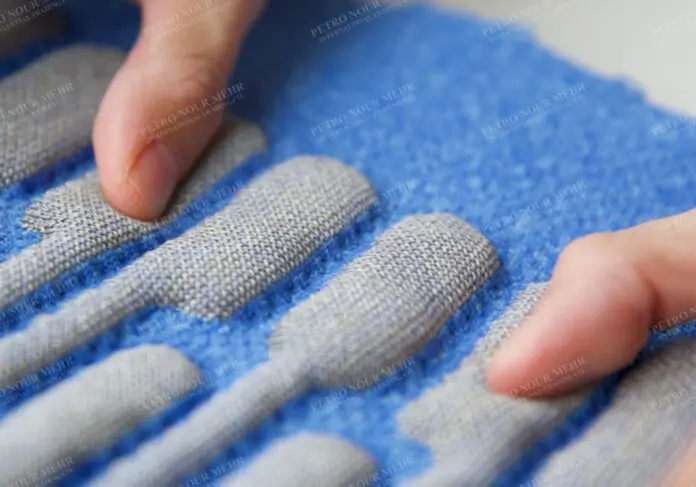
- Textile Industries: Polyethylene Glycol 400 acts as softeners and antistatic agents in the textile industry, aiding in softening fabrics. It is often used in cotton, wool, and silk fabrics. Additionally, PEG 400 helps in maintaining moisture in fabrics, preventing wrinkles in cotton and polyester fabrics.
- Food Industries: Glycol 400 serves as a food additive and preservative, preventing microbial growth in food items, dissolving active ingredients in food, and thickening them. It is commonly used in dairy products, breakfast cereals, beverages, sauces, desserts, and ice creams, as well as herbal medicines and dietary supplements.

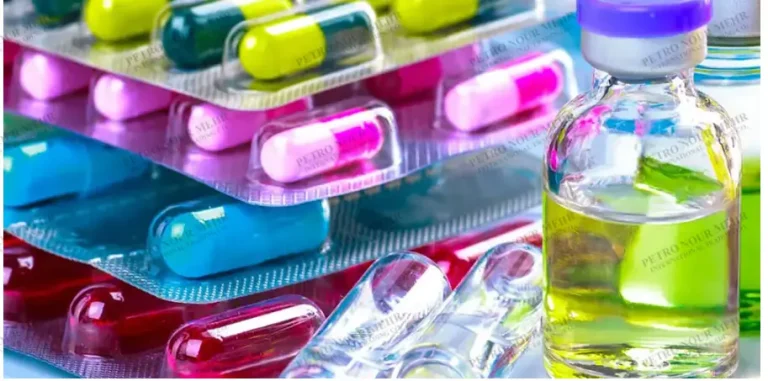
- Pharmaceutical Industries: PEG 400 is used as a solvent, permeation enhancer, and adhesive agent in drugs. These substances protect drugs from digestion and aid in their absorption into the body. They are commonly used in oral, injectable, and topical drugs, as well as liquid drugs, gels, and ointments.
- Chemical Industries: Polyethylene Glycol 400 readily dissolves chemicals and serves as an effective tool in chemical processes such as color production, pharmaceuticals, and plastics. It acts as a solvent, aiding in the dissolution of dyes in colors, resulting in uniform and attractive colors. Moreover, it can assist in uniform distribution of chemicals, especially in industries like paints, coatings, where uniform dispersion of pigments is required. Its usage in lubricants, greases, and lubricants reduces friction between moving parts, increasing their lifespan.
At PEG 400 producer companies, the PEG 400 price is a key consideration when sourcing Polyethylene Glycol 400. The PEG 400 price often reflects factors such as production costs, market demand, and quality standards.
Storage Conditions for PEG 400
Storage conditions for this material may vary depending on its type and intended use. However, generally, the typical storage conditions for this chemical compound are as follows:
- Suitable Storage Temperature: The suitable temperature for storing Polyethylene Glycol 400 is usually within the room temperature range (approximately 20-25 degrees Celsius). However, it’s essential to follow the specific guidelines provided by the manufacturer, as some products may require a specific temperature for storage.
- Protection from Sunlight and UV Light: This material should be protected from direct sunlight and UV light. Therefore, it is best to store it in a dark environment away from direct sunlight.
- Storage Environment: Typically, this chemical compound is stored in a dry and cool environment. Some products may even require storage in a moisture-free environment.
- Special Storage Conditions: For some specific cases, special storage conditions may be required. In such cases, refer to the manufacturer’s instructions.
- Packaging and Protection: Proper packaging is also of utmost importance. Generally, this material is stored in sturdy and appropriate plastic or metal drums that prevent air and moisture penetration.
- Ventilation and Personal Protection: Ensure proper ventilation when using this material in confined spaces. When exposed to high concentrations of Glycol 400 vapors, use appropriate respiratory protection such as a mask and suitable clothing.
- Skin Contact and First Aid: In case of skin contact, immediately wash with soap and water. Never use solvent solutions such as acetone or benzene to remove this substance from the skin.
- Usage in Hazardous Environments: When using Polyethylene Glycol 400 in hazardous environments or specific industries such as oil and gas, alcohols, etc., refer to Material Safety Data Sheets (MSDS) and relevant guidelines.
- Chemical Interactions: When using this chemical compound in environments where potential interactions with other substances exist, conduct a thorough review and study of their chemical properties.
- Food and Pharmaceutical Applications: If this material is used for food and pharmaceutical applications, always adhere to relevant standards and guidelines and assess possible interactions with additives and other drugs.
Using PEG 400 with caution and with a complete understanding of its properties and safety considerations can minimize risks. In any case, the most important reference is always the instructions provided by the product’s manufacturer and relevant standards.
It should be noted that these descriptions are general, and storage conditions may vary depending on the type and use of Polyethylene Glycol 400, so always pay attention to the instructions on the product packaging and manufacturer’s guidance.

Packaging for PEG 400
Polyethylene Glycol 400 is commonly packaged and stored in various types of containers suitable for its transportation and use in different industries. The packaging for PEG 400 typically includes:
- Drums: Polyethylene Glycol 400 is often packaged in standard-sized drums made of materials such as carbon steel, stainless steel, or high-density polyethylene (HDPE). These drums usually have a capacity ranging from 200 liters to 250 liters and are suitable for bulk storage and transportation.
Regardless of the type of packaging used, it is essential to ensure that containers are properly sealed, labeled, and handled in accordance with safety regulations and guidelines to prevent spills, contamination, or other hazards during storage and transportation. PEG 400 producers offer diverse packaging options, and the PEG 400 price may vary depending on the type of packaging used.
Producing Products Using PEG 400 at Manufacturers
PEG 400 producers such as Biopharma PEG Scientific Inc. and Creative PEGWorks use Polyethylene Glycol 400 as a key raw material in their production processes. Biopharma PEG specializes in producing PEG 400 for applications in drug delivery systems, biotechnology, and biomedical research, offering high performance in sectors like pharmaceuticals and healthcare. Creative PEGWorks also uses PEG 400 in the development of functional polymers for pharmaceutical, biotechnological, and industrial applications. Their competitive PEG 400 price reflects their efficient and sustainable operations in meeting both global and domestic demands for Polyethylene Glycol 400 and its derivatives.
PEG 400 Characteristics
Polyethylene Glycol 400 is a clear, colorless liquid with a slightly viscous consistency and a mild, non-offensive odor. It is highly soluble in water and organic solvents, making it ideal for a variety of industrial and pharmaceutical applications. This material has a relatively low boiling point and remains stable at room temperature, making it suitable for use in diverse manufacturing processes. It is considered safe for handling when used appropriately, and its chemical formula is (C₂H₄O)n.
PEG 400 is an organic compound with a hydrophilic (water-attracting) nature, which makes it effective in chemical synthesis, drug formulations, and cosmetic products. With a molecular weight of approximately 400 g/mol, this material has a moderate viscosity compared to other glycols, which aids in its use across multiple industries such as pharmaceuticals, cosmetics, and food processing.
Advantages and Disadvantages of PEG 400
Polyethylene Glycol 400 is widely used in many industries, offering both advantages and disadvantages:
Advantages
- Versatility: This material is a highly versatile chemical used in applications ranging from pharmaceuticals and cosmetics to food processing and chemical manufacturing.
- Effective in Drug Delivery: This material is widely used in drug formulations as a solvent, carrier, and permeation enhancer.
- High Demand in Cosmetics: Polyethylene Glycol 400 plays a significant role in the production of personal care products like lotions, creams, and shampoos due to its emulsifying and moisturizing properties.
- Used in Industrial Processes: Glycol 400 is employed as a plasticizer and solvent in various industrial applications.
- Contribution to Efficiency: This material helps in improving the formulation of products, enhancing product stability, and ensuring better performance in various applications.
Disadvantages
- Potential Toxicity: This material can cause irritation when handled improperly, especially in high concentrations.
- Environmental Impact: Like other glycols, improper disposal of PEG 400 can lead to contamination of water sources and soil, which may harm ecosystems.
- Cost: The price of this material can fluctuate based on market demand and production costs, affecting the overall cost of manufacturing in industries that require large amounts of this chemical.
In summary, while PEG 400 offers numerous advantages in industrial and pharmaceutical applications, its potential environmental impact and the importance of handling it correctly should not be overlooked. Additionally, businesses should stay informed on PEG 400 price and consult reliable suppliers for competitive Polyethylene Glycol 400 price.
Physical and Chemical Properties of PEG 400
Polyethylene Glycol 400 exhibits several key physical and chemical properties that make it ideal for a variety of applications, particularly in the pharmaceutical, cosmetic, and food industries. Here are some of its key properties:
Physical Properties
- Appearance: This material is a clear, colorless liquid with a slightly viscous consistency.
- Odor: Polyethylene Glycol 400 has a mild, non-offensive odor.
- Melting Point: This material remains liquid under typical room temperature conditions, with a melting point of around -60°C.
- Boiling Point: The boiling point of PEG 400 is approximately 250-270°C, making it stable under high temperatures.
- Density: The density of PEG 400 is about 1.12 g/cm³, which is relatively high compared to many other organic liquids, influencing its flow properties.
Chemical Properties
- Reactivity: This material is stable under normal conditions but may react with strong acids, bases, or other reactive substances, forming different compounds. It should be handled carefully to avoid unwanted reactions.
- Stability: This material remains stable under typical conditions but should be stored away from extreme temperatures, light, and reactive chemicals to prevent degradation. Proper storage in a cool, dry place helps maintain its quality.
- Solubility: This material is highly soluble in both water and organic solvents, making it versatile in many applications like pharmaceuticals, cosmetics, and industrial formulations.
- Usage in Formulations: It is used in pharmaceutical and cosmetic products for dissolving active ingredients, enhancing absorption, and acting as a humectant to retain moisture in skin care products.
- Environmental Impact: While biodegradable, improper disposal of this material can harm aquatic life. Responsible waste handling is necessary to minimize its environmental impact.
- Safety Considerations: This material should be handled with safety equipment like gloves and goggles. In case of contact, wash affected areas with soap and water, and seek medical attention if needed.
Overall, the physical and chemical properties of PEG 400 make it a crucial component in many industrial applications. However, like all chemicals, it requires proper handling and storage to ensure safety and maintain product quality.
Comparison between PEG 3350 and PEG 400
PEG 3350 and PEG 400 are both types of polyethylene glycol but differ in molecular weight, viscosity, and applications. PEG 3350 has a higher molecular weight, making it more viscous and commonly used as a laxative in pharmaceuticals. PEG 400, with a lower molecular weight, is more fluid and used as a solvent, emulsifier, and humectant in cosmetics, food, and pharmaceuticals. While both share similar properties, PEG 3350 is used for internal applications, while PEG 400 is preferred for external applications due to its versatility and lower viscosity.
How to buy PEG 400?
- Buy from a reputable and authorized supplier that holds necessary certifications and guarantees quality.
- Compare the prices of these materials in different markets and compare them with the global market price.
- Examine the sales conditions regarding quantity, delivery time, packaging, transportation methods, and payment terms.
- If you intend to import PEG 400 from foreign countries, investigate customs and legal regulations and comply with export and import regulations.
- Contact Petro Nour Mehr Company to obtain the most suitable export price based on your conditions.
- After signing the contract, you can place your order.
- Secure and suitable payment methods according to customer preferences are provided by the company.
- Then, the loading stage is completed by selecting and introducing a transport company.
- Necessary documents for customs clearance at the destination city are also provided to customers by Petro Nour Mehr Company.
- sales@petronourmehr.com
- +98 219-100-7557
For all inquiries, please don’t hesitate to contact our sales department using the form below.