
Methylene Diphenyl Diisocyanate
Methylene Diphenyl Diisocyanate, or MDI, is a highly versatile chemical compound used primarily in the production of polyurethanes. It is made by reacting aniline with formaldehyde, and it serves as a key component in a wide range of industrial applications such as insulation, automotive parts, coatings, adhesives, and foams. MDI Producers supply this essential chemical globally, as it plays a crucial role in manufacturing high-performance polyurethane products, making it indispensable in many industries.
MDI is used for rigid foams and insulation with lower reactivity, while TDI is for flexible foams with higher reactivity. MDI is more stable and used in coatings and adhesives, while TDI is more toxic.
Exporting MDI to countries around the world at competitive rates has been a significant achievement for many producers in recent years.
If you’re looking for the best MDI Price, feel free to contact the sales department of your trusted MDI supplier for the latest updates and purchasing options.
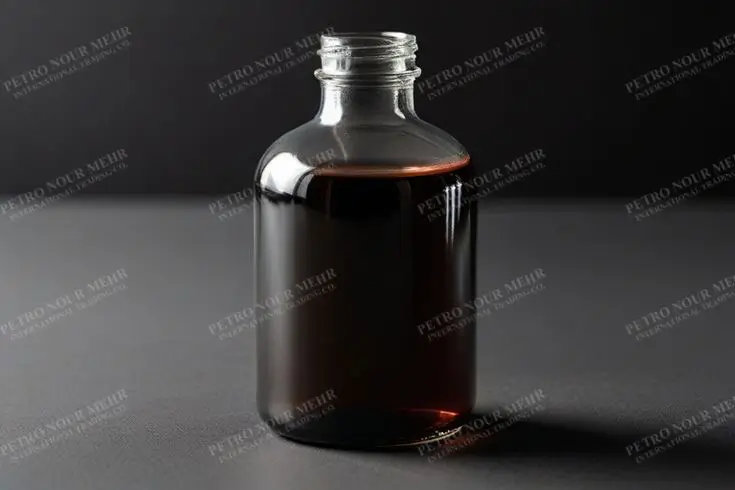
Analysis of MDI grades
You can find the list of MDI products in the table below:
To view other chemical products, you can click here.
MDI Manufacturers in Iran
In Iran’s petrochemical industry, several manufacturers and production units are involved in the production of MDI (methylene diphenyl diisocyanate). These companies include:
- Karun Petrochemical Company
These units are among the largest MDI producers in Iran and play a significant role in meeting domestic needs and exporting this product to global markets at competitive prices.
Applications of MDI
Methylene Diphenyl Diisocyanate is a versatile chemical that finds numerous applications across various industries due to its durable properties. Some of its common uses include:
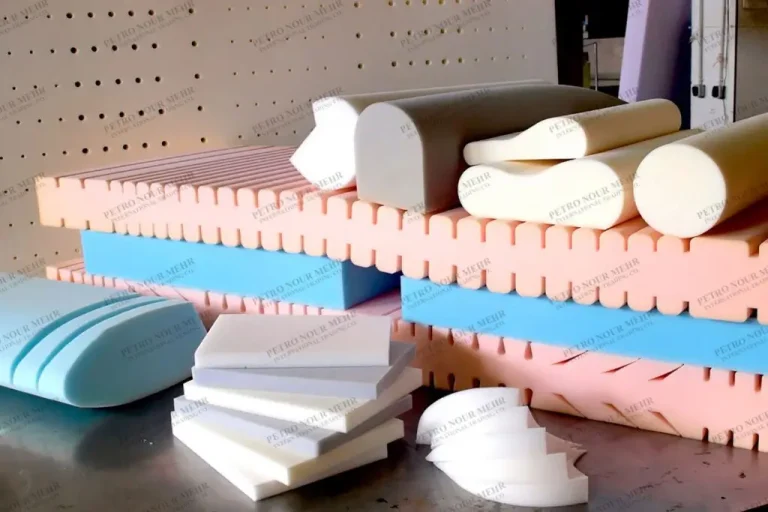
- Polyurethane Foam Production: This material is primarily used in the production of polyurethane foams, such as rigid, flexible, and spray foams. These foams are widely utilized in insulation materials for buildings, appliances, refrigerators, and freezers, as well as in automotive seating, cushions, mattresses, and upholstery.
- Adhesives and Sealants: MDI-based polyurethane adhesives and sealants offer strong bonding capabilities and excellent durability. These adhesives are commonly used in construction, automotive assembly, packaging, and many other industries for bonding wood, metal, plastic, and composite materials.

- Coatings and Paints: This material can be incorporated into polyurethane-based coatings and paints to enhance their durability, weather resistance, and adhesion properties. These coatings are used in architectural coatings, automotive refinishing, industrial coatings, flooring, and corrosion protection applications.

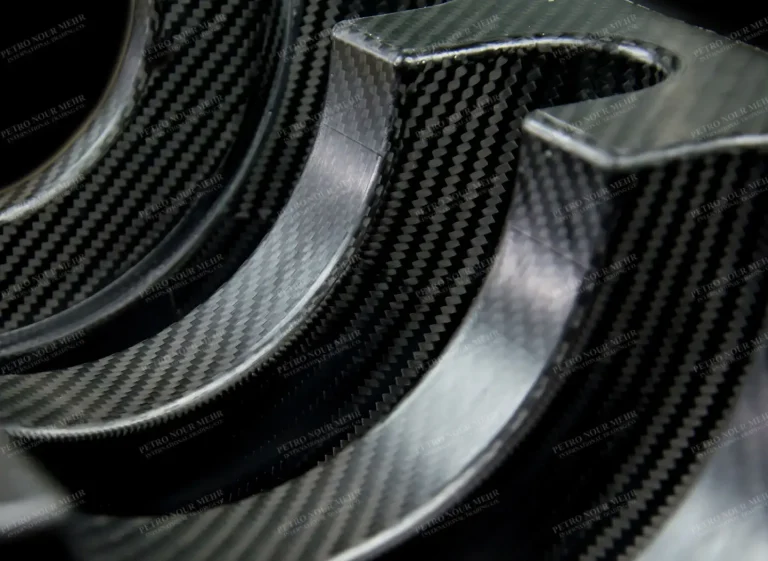
- Composite Materials: This material is used as a binder or matrix resin in the production of composite materials such as fiberglass-reinforced plastics (FRP) and carbon fiber composites. These materials are key in aerospace, marine, wind energy, sports equipment, and automotive applications.
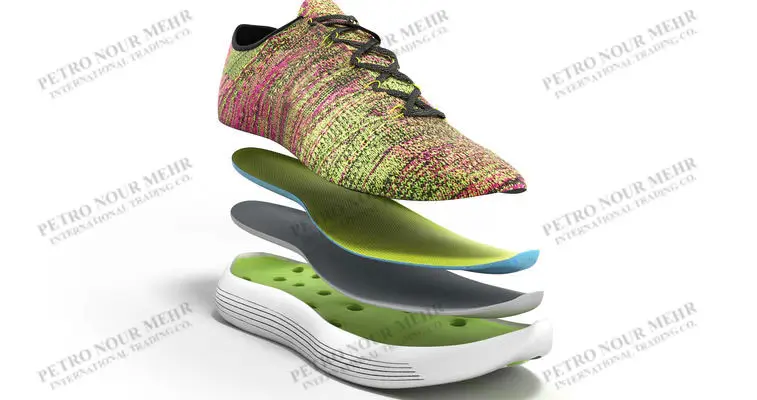
- Footwear and Textiles: MDI-based polyurethane elastomers are used in manufacturing footwear, sportswear, and textiles due to their elasticity and abrasion resistance. These coatings also improve water repellency and durability in fabrics.
- Automotive Parts and Components: This materials are widely used in automotive interiors (instrument panels, door panels, headliners) and exterior components (bumpers, spoilers, and body panels). Their lightweight, impact resistance, and design flexibility make them ideal for automotive applications.
- Insulation Panels and Boards: This material foam boards and panels provide high thermal resistance and moisture resistance, making them perfect for use in walls, roofs, and refrigerated storage facilities.
- Packaging and Cushioning: MDI-based foams are employed in packaging materials, such as protective packaging inserts and cushioning products, providing shock absorption and vibration damping for shipping and handling.
If you are looking for MDI prices or information on Methylene Diphenyl Diisocyanate prices, they can vary depending on the supplier and market conditions. Competitive MDI chemical prices are often influenced by factors such as production costs, raw material prices, and global demand.
Storage Conditions for MDI
The storage conditions of this material are crucial to maintain its stability and prevent degradation. Below are the recommended storage conditions for Methylene Diphenyl Diisocyanate:
- Temperature: This MDI chemical should be stored at temperatures below 25°C. Higher temperatures can accelerate chemical reactions and lead to degradation of the product.
- Humidity: This material should be stored in a dry environment to prevent moisture absorption. High humidity levels can cause hydrolysis of this material, leading to a decrease in product quality.
- Ventilation: Adequate ventilation should be provided in the storage area to prevent the buildup of vapors. It can release volatile organic compounds (VOCs), which may pose health risks if inhaled in high concentrations.
- Light Exposure: This material containers should be stored away from direct sunlight and sources of UV radiation. Prolonged exposure to light can promote chemical reactions and degradation.
- Container Integrity: This material should be stored in tightly sealed containers to prevent contamination and exposure to air. Partially filled containers should be tightly closed to minimize air exposure and moisture ingress.
- Storage Location: Choose a location that is cool, dry, and away from any potential sources of contamination. A controlled environment will ensure better stability for this material and prevent any unwanted reactions.
- Handling Procedures: When moving or opening containers of Methylene Diphenyl Diisocyanate, use protective equipment to avoid exposure to vapors. Follow safety guidelines to minimize any potential hazards related to handling this material.
- Emergency Response: Establish clear protocols in case of spills or leaks. Ensure that personnel are trained to handle such situations efficiently to reduce the risk of exposure and environmental contamination.
By adhering to these storage conditions, the quality and stability of MDI can be preserved, ensuring its suitability for various applications in polymer engineering.

Packaging for MDI
Methylene Diphenyl Diisocyanate, a widely used chemical in various industries, is commonly packaged and stored in several types of containers designed for its transportation and usage. The packaging for this material typically includes:
- Drums: This material is often packaged in standard-sized drums made from materials like carbon steel, stainless steel, or high-density polyethylene (HDPE). These drums typically have a capacity ranging from 200 liters to 250 liters, making them suitable for bulk storage and transportation.
- Intermediate Bulk Containers (IBCs): This material may also be stored and transported in IBCs, large containers with a capacity of 1000 liters or more. IBCs are constructed from materials like composite materials and have a pallet base for easy handling and transport.
- Tanker Trucks: For bulk transportation, this material is often transported in tanker trucks or railcars. These specialized vehicles are designed to safely carry large quantities of liquid chemicals and may include built-in heating or cooling systems to maintain the required temperature during transit.
- ISO Tanks: This material can also be shipped internationally in ISO tanks, standardized containers for intermodal transportation by road, rail, or sea. These containers have a similar capacity to tanker trucks and provide an efficient, secure way to transport MDI in liquid form.
- Flexitanks: In some cases, this material may be transported in flexitanks, large flexible containers made from materials like polyethylene. These containers are designed to fit into standard shipping containers and can hold up to 24,000 liters of liquid, offering a cost-effective solution for transporting MDI in bulk.
Regardless of the packaging type, it is essential to ensure that containers are properly sealed, labeled, and handled following safety regulations and guidelines to prevent spills, contamination, or other hazards during storage and transportation. MDI producers offer a variety of packaging options, and MDI prices also vary depending on the type of packaging used.
Producing Products Using MDI at Manufacturers
In the United States, MDI producers such as Dow Chemical and BASF leverage Methylene Diphenyl Diisocyanate as a vital raw material in their production processes. Dow Chemical specializes in producing a wide range of polyurethane products, including insulation foams and coatings, ensuring high performance and durability in various industrial and residential applications. Meanwhile, BASF, a global leader in MDI chemical utilization, operates multiple production facilities across the U.S., supporting industries such as automotive, construction, and electronics. The competitive MDI price offered by these producers underscores the efficiency and sustainability of their operations in meeting global and domestic demands for Methylene Diphenyl Diisocyanate.
MDI Characteristics
Methylene Diphenyl Diisocyanate is a yellowish solid at room temperature with a faint aromatic odor. It is highly reactive and soluble in various organic solvents, including alcohols and ketones, and has a relatively high melting point. MDI is also moisture-sensitive, meaning it reacts with water to form polyurethane compounds. Its chemical formula is C₁₉H₁₈N₂O₃.
MDI is an organic compound with two isocyanate (-NCO) groups, which gives it distinct chemical reactivity. With a molecular weight of 250.27 grams per mole (g/mol), MDI has a high density and is widely used in the production of polyurethane foams, coatings, and adhesives across industries such as construction, automotive, and textiles.
Advantages and Disadvantages of MDI
This material offers several advantages and disadvantages, as outlined below:
Advantages
- Versatility: This material is widely used in the production of polyurethane foams, coatings, adhesives, and elastomers, making it a versatile chemical compound.
- Strength and Durability: Polyurethane products made with MDI exhibit excellent strength, durability, and resistance to wear and tear, making them suitable for various applications in construction, automotive, and other industries.
- Thermal Insulation: MDI-based polyurethane foams provide effective thermal insulation, helping to improve energy efficiency in buildings and vehicles.
- Chemical Resistance: Polyurethane products formulated with MDI are often resistant to many chemicals, oils, and solvents, enhancing their suitability for use in harsh environments.
- Adhesion: MDI-based adhesives offer strong bonding properties, making them suitable for joining various materials together.
Disadvantages
- Toxicity: This material is classified as a hazardous substance due to its potential to cause respiratory irritation, sensitization, and other health effects upon inhalation or skin contact. Proper safety measures must be followed during handling and processing.
- Environmental Impact: The production and disposal of MDI can pose environmental risks, including air and water pollution. Efforts are needed to minimize emissions and ensure proper waste management.
- Cost: This material can be relatively expensive compared to other polyurethane precursors, which may impact the overall cost of products manufactured using MDI-based formulations.
- Handling Challenges: This material is highly reactive and must be handled with care to prevent unwanted reactions or polymerization. Specialized equipment and safety protocols are necessary for safe handling and processing.
- Regulatory Compliance: This material is subject to strict regulations and guidelines due to its hazardous nature. Manufacturers must comply with safety standards and regulatory requirements to ensure worker safety and environmental protection.
Overall, while MDI offers various advantages in terms of performance and versatility, its use requires careful consideration of safety, environmental, and regulatory factors.
Physical and Chemical Properties of MDI
This material has both physical and chemical properties that make it ideal for various industrial applications, particularly in producing polyurethane foams, coatings, adhesives, and elastomers. Here are some of its key properties:
Physical Properties
- Appearance: This material is typically a colorless to pale yellow liquid at room temperature, though it can also appear in solid or powdered form.
- Odor: Methylene Diphenyl Diisocyanate has a distinct, pungent odor, which may vary depending on its concentration and purity.
- Melting Point: The melting point of MDI chemical ranges from 38 to 45°C, depending on its specific chemical structure and form.
- Boiling Point: This material typically has a high boiling point, generally above 250°C, which makes it stable at elevated temperatures.
- Density: The density of this material chemical is approximately 1.2 to 1.3 g/cm³, based on its molecular structure and form.
Chemical Properties
- Reactivity: This material is highly reactive due to the presence of two isocyanate groups in its molecule. These groups readily react with compounds containing active hydrogen atoms, such as polyols, to form polyurethane polymers.
- Polymerization: Methylene Diphenyl Diisocyanate undergoes polymerization reactions when mixed with polyols, which leads to the formation of polyurethane chains. This reaction is exothermic and happens rapidly under appropriate conditions.
- Crosslinking: Polyurethane systems based on MDI can undergo crosslinking reactions, contributing to the development of mechanical properties like strength, elasticity, and dimensional stability.
- Stability: The material exhibits good thermal stability under normal storage and processing conditions, though it may decompose at high temperatures or in the presence of catalysts or impurities.
Overall, the physical and chemical properties of MDI make it a valuable component in the synthesis of polyurethane materials used in various industries. However, its reactivity and potential hazards require careful handling and processing to ensure safety and product quality.
Types of MDI Grades
This material is available in several different grades, each tailored to specific applications and processing requirements. Some common types of this MDI chemical include:
- Pure MDI (PMDI): Pure MDI is the most basic form of Methylene Diphenyl Diisocyanate, consisting predominantly of 4,4′-methylenediphenyl diisocyanate. It is typically used in applications where high purity and minimal impurities are required, such as in the production of high-performance polyurethane elastomers, coatings, and adhesives.
- Polymeric MDI (PMDI): Polymeric MDI contains a mixture of MDI isomers, oligomers, and higher molecular weight polymers. It is often used in the production of rigid polyurethane foams for insulation in construction, refrigeration, and appliances. MDI chemical grades may vary in functionality, viscosity, and reactivity to suit different foam formulations and processing conditions.
- Modified MDI: Modified MDI grades are chemically modified versions of MDI designed to enhance specific properties or processing characteristics. These modifications may include blocking one or both isocyanate groups, introducing functional groups, or altering the molecular structure to improve compatibility with other components in polyurethane formulations.
- High-purity MDI: High-purity MDI grades are refined to remove impurities and contaminants, making them suitable for applications requiring stringent quality control, such as in the production of medical devices, food contact materials, and electronics.
- Blended MDI: Blended MDI grades are mixtures of MDI with other isocyanate compounds or polyols to achieve specific performance characteristics or cost savings. Blends may be tailored to optimize properties such as reactivity, cure profile, mechanical strength, or compatibility with other formulation components.
- Low free MDI: Low free MDI grades are formulated to minimize the concentration of unreacted or free isocyanate groups, reducing the risk of skin sensitization and emissions of volatile organic compounds (VOCs) during processing and curing.
These are just a few examples of the types of MDI grades available in the market. The choice of grade depends on factors such as the desired properties of the final product, processing requirements, regulatory considerations, and cost considerations.
Comparison between MDI and TDI
TDI and MDI are both important isocyanates used in polyurethane production, but they differ in applications and properties. TDI is suitable for flexible foams and has higher reactivity, while MDI is used for rigid foams and insulation with lower reactivity. TDI is more toxic and requires more precautions, while MDI is more stable. TDI is cheaper and used for flexible foams, while MDI is used for specialized applications like coatings and adhesives.
How to buy MDI?
- Buy from a reputable and authorized supplier that holds necessary certifications and guarantees quality.
- Compare the prices of these materials in different markets and compare them with the global market price.
- Examine the sales conditions regarding quantity, delivery time, packaging, transportation methods, and payment terms.
- If you intend to import MDI from foreign countries, investigate customs and legal regulations and comply with export and import regulations.
- Contact Petro Nour Mehr Company to obtain the most suitable export price based on your conditions.
- After signing the contract, you can place your order.
- Secure and suitable payment methods according to customer preferences are provided by the company.
- Then, the loading stage is completed by selecting and introducing a transport company.
- Necessary documents for customs clearance at the destination city are also provided to customers by Petro Nour Mehr Company.
- sales@petronourmehr.com
- +98 219-100-7557
For all inquiries, please don’t hesitate to contact our sales department using the form below.