
TEA (Triethanolamine)
TEA, also known as Triethanolamine, is a versatile and essential chemical widely used in various industrial and commercial applications. It plays a key role in industries such as cosmetics, detergents, personal care products, and agriculture. Triethanolamine is commonly utilized as an emulsifier, pH stabilizer, and surfactant in the production of a wide range of products, from shampoos and lotions to industrial cleaning solutions.
At Petro Nour Mehr, we are proud to be a leading TEA supplier, offering high-quality products at competitive prices. Whether you’re looking for Triethanolamine for industrial production or commercial use, we are dedicated to providing the best value in terms of both price and quality.
When considering purchasing TEA, the price is an important factor, and we make sure our clients can easily connect with us for the most cost-effective solutions. If you need detailed information on TEA price, or wish to learn more about our product offerings, feel free to contact with our sales team for the latest updates and special deals.
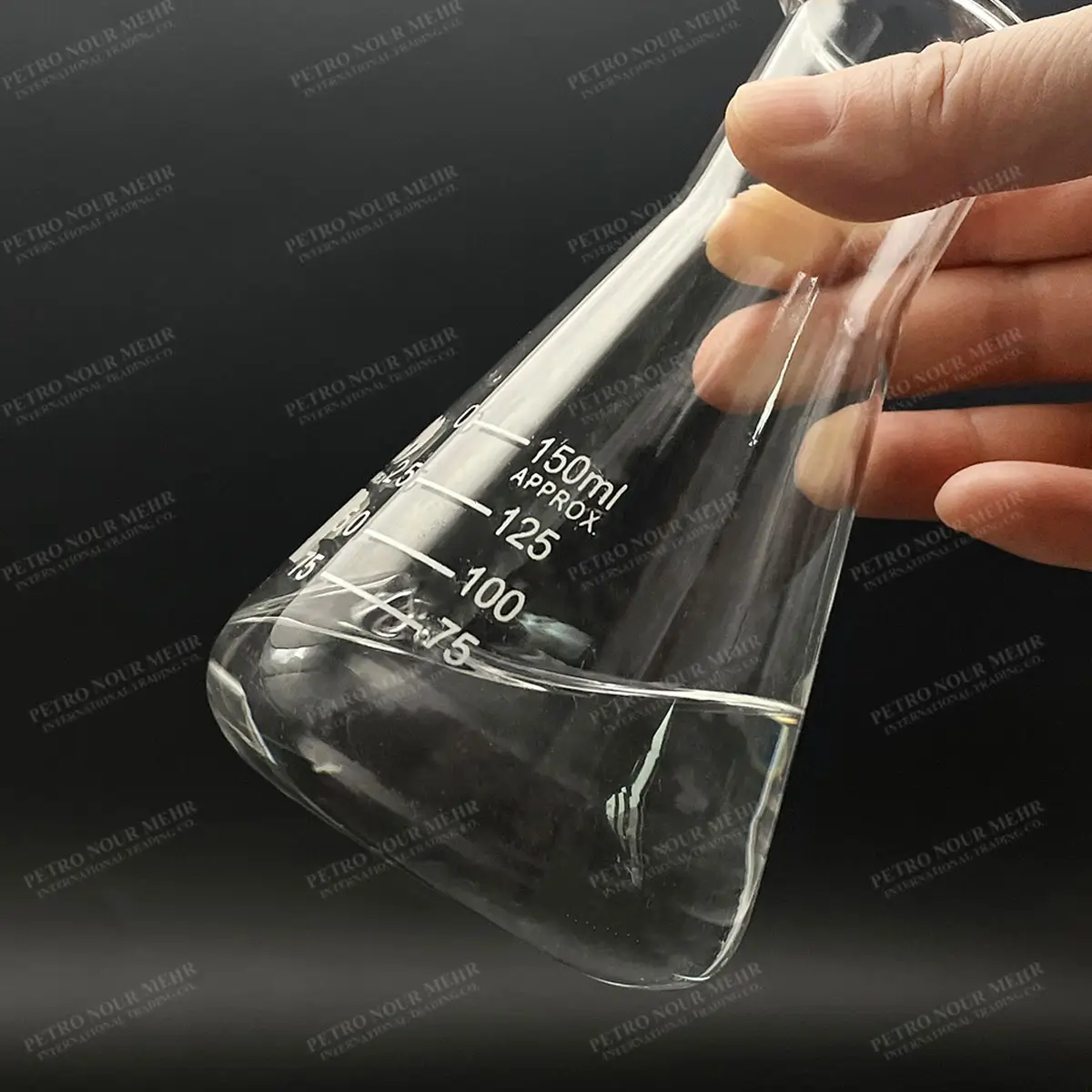
TEA Manufacturers in Iran
In the petrochemical industry of Iran, several companies and production units are engaged in the production of Triethanolamine (TEA). These companies include:
- Shazand Arak Petrochemical Company
These units are major producers of Triethanolamine in Iran and contribute significantly to meeting both domestic demand and global market needs for this essential chemical.
Applications of TEA
Triethanolamine (TEA), also known as Triethanolamine, is a highly versatile chemical that finds applications across various industries due to its unique properties. Some common applications include:
- Cosmetics and Personal Care Products: TEA is widely used in the cosmetics and personal care industry. It serves as an essential ingredient in products such as creams, lotions, shampoos, and soaps. As an emulsifier, pH adjuster, and thickening agent, Triethanolamine helps in maintaining the texture, consistency, and stability of these products. It also plays a key role in improving the emulsification process, allowing oil and water-based ingredients to mix effectively, making personal care products perform better.
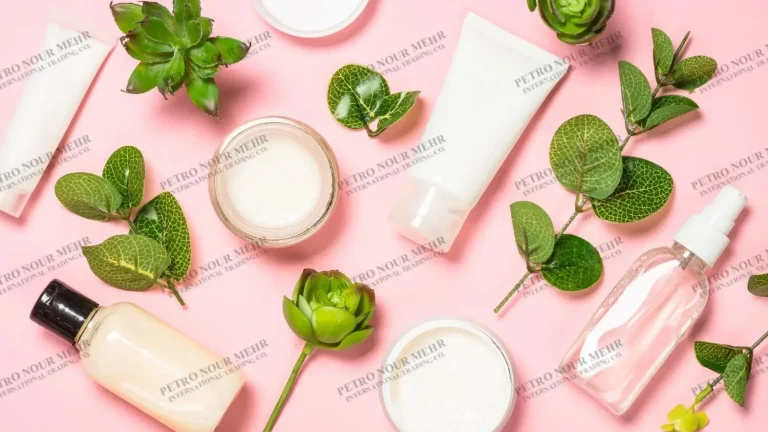
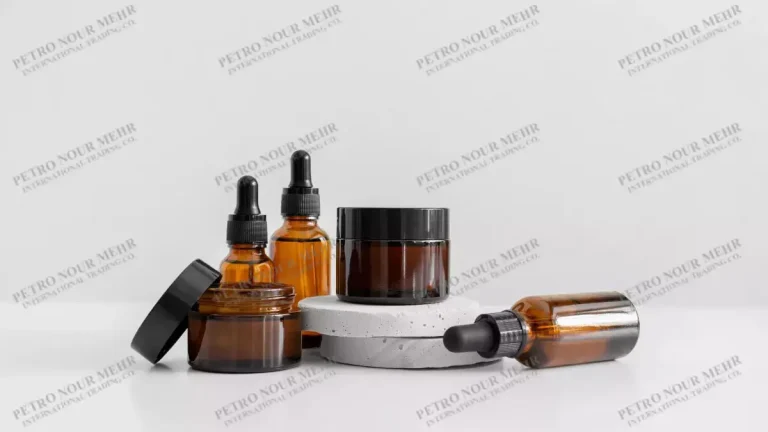
- Pharmaceuticals: In the pharmaceutical industry, TEA is utilized as an intermediate in the synthesis of various drugs. It also acts as an emulsifying agent in ointments and creams, helping to improve the stability and effectiveness of topical treatments. TEA ensures that the ingredients are mixed well and maintain their desired properties throughout the shelf life of pharmaceutical products.
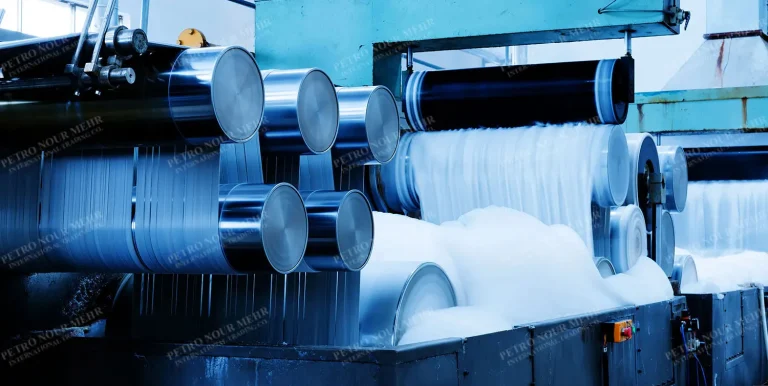
- Textiles: In the textile industry, TEA is employed as a leveling agent and softener. It helps in dyeing and finishing processes by ensuring that dyes are applied evenly to fabrics. TEA also plays a role in controlling the pH levels during textile treatment, which enhances the quality of the fabric and helps achieve the desired softness and finish.
- Concrete Additives: TEA is used as a cement grinding aid and concrete admixture. It improves the workability, strength, and durability of concrete, allowing for better mixing and a more consistent final product. By optimizing the chemical reactions in the concrete mixture, TEA Chemical ensures that the concrete is durable and resistant to wear and tear.

- Metalworking Fluids: TEA serves as a corrosion inhibitor and pH stabilizer in metalworking fluids. These fluids are essential for cutting, grinding, and machining operations, and TEA helps protect metal surfaces from corrosion while maintaining the fluid’s optimal pH balance. This enhances the performance and longevity of metalworking tools and machinery.
- Detergents and Cleaning Products: TEA is a common ingredient in detergents, liquid soaps, and cleaning agents. It enhances foaming properties, emulsification, and pH adjustment, making cleaning products more effective. TEA helps break down oils and dirt, allowing cleaning agents to work more efficiently while ensuring that the products are gentle enough for use on various surfaces.
- Pesticides and Herbicides: TEA is used in the formulation of agricultural chemicals such as pesticides and herbicides. It acts as a solvent and emulsifier, improving the effectiveness and stability of these chemicals. TEA ensures that active ingredients in agricultural products are evenly distributed, ensuring that they perform optimally in protecting crops and plants.
- Adhesives and Sealants: TEA is commonly used in adhesives and sealants to improve their adhesive properties and flexibility. It ensures that the adhesives bond strongly to surfaces and maintain their effectiveness under various conditions. By improving the elasticity and durability of the final product, TEA enhances the performance of adhesives and sealants in a wide range of applications.
- Gas Treatment: TEA plays an important role in gas treatment processes. It is used to remove acidic impurities, such as carbon dioxide and hydrogen sulfide, from natural gas and refinery gases. By employing TEA in these processes, industries can ensure the purity and quality of the gases, making them suitable for a range of industrial applications.
- Chemistry: In analytical chemistry, Triethanolamine is used as a stationary phase in gas-liquid chromatography. It is also used as a masking agent in complexometric titration, where it helps prevent interference from other metal ions. For example, when EDTA is used to titrate certain ions, TEA can mask interfering ions such as iron or aluminum, ensuring more accurate measurements.
- Other Industrial Applications: TEA is used in several other industrial processes, including rubber processing, photography, and as a corrosion inhibitor in cooling water systems. Its versatility in industrial applications makes it a valuable chemical for a wide range of uses, ensuring that processes run smoothly and products meet their required standards.
At TEA producer companies, the TEA price is a key consideration when sourcing Triethanolamine. The TEA price often reflects factors such as production costs, market demand, and quality standards. When choosing a supplier for Triethanolamine, it’s important to consider not only the price but also the quality of the product and the reliability of the supplier in meeting industrial needs.
Storage Conditions for TEA
Storage conditions for TEA (Triethanolamine) may vary depending on its type and intended use. However, generally, the typical storage conditions for this chemical compound are as follows:
- Suitable Storage Temperature: The suitable temperature for storing Triethanolamine is typically within the room temperature range (approximately 20-25 degrees Celsius). However, it’s essential to follow the specific guidelines provided by the manufacturer, as some products may require specific temperature conditions for optimal storage.
- Protection from Sunlight and UV Light: This material should be protected from direct sunlight and UV light. Therefore, it is best to store it in a cool, dark environment away from direct sunlight.
- Storage Environment: Typically, this material should be stored in a dry and cool environment. Some products may even require storage in a moisture-free environment to maintain product integrity.
- Special Storage Conditions: For certain specific uses or conditions, special storage may be required. In such cases, always refer to the manufacturer’s instructions for the proper storage requirements.
- Packaging and Protection: Proper packaging is crucial. Generally, this material is stored in appropriate plastic or metal containers that protect it from moisture and contamination. These containers should be sealed properly to prevent air and moisture from entering.
- Ventilation and Personal Protection: Ensure proper ventilation when using this material in confined spaces. If exposed to high concentrations of Triethanolamine vapors, use appropriate respiratory protection, such as a mask, and ensure you wear suitable clothing to prevent skin contact.
- Skin Contact and First Aid: In case of skin contact with this material, immediately wash the affected area with soap and water. Avoid using harsh solvents such as acetone or benzene to clean the skin.
- Usage in Hazardous Environments: When using Triethanolamine in hazardous environments or specific industries, such as oil and gas or chemicals, always refer to the Material Safety Data Sheets (MSDS) and follow the relevant safety guidelines.
- Chemical Interactions: When using TEA in environments where there may be potential chemical interactions, conduct a thorough review of the substances involved and their chemical properties to avoid any adverse reactions.
Using TEA carefully and with a full understanding of its properties and safety considerations can minimize risks. Always refer to the manufacturer’s instructions and the relevant safety standards. Please note that these storage conditions are general, and specific requirements may vary depending on the type and use of Triethanolamine. Always consult the product’s packaging and the manufacturer’s guidance for the most accurate information.

Packaging for TEA
Triethanolamine, also known as TEA chemical, is typically packaged and stored in a variety of containers that are appropriate for its transportation and use in different industries. The packaging for TEA generally includes:
- Drums: This material is often packaged in standard-sized drums made from materials such as carbon steel, stainless steel, or high-density polyethylene (HDPE). These drums usually have a capacity ranging from 200 liters to 250 liters and are suitable for bulk storage and transportation of the chemical.
- Intermediate Bulk Containers (IBCs): This material can also be stored and transported in IBCs, which are large containers with a capacity of 1000 liters or more. IBCs are made of materials like HDPE or composite materials and are equipped with a pallet base to facilitate easy handling.
- Tanker Trucks: For large-scale transportation, this material is often transported in tanker trucks or railcars. These specialized vehicles are designed to safely transport large quantities of liquid chemicals and may be equipped with built-in heating or cooling systems to maintain the required temperature during transit.
- ISO Tanks: This material can also be shipped internationally in ISO tanks, standardized containers that are suitable for intermodal transportation by road, rail, or sea. ISO tanks offer a secure and efficient method of transporting TEA in liquid form, and their capacity is similar to that of tanker trucks.
- Flexitanks: In some cases, TEA may be transported in flexitanks, which are large, flexible containers made of polyethylene or other suitable materials. Flexitanks are designed to fit into standard shipping containers and can hold up to 24,000 liters of liquid, making them a cost-effective solution for transporting TEA in bulk.
Regardless of the type of packaging used, it is important to ensure that the containers are properly sealed, labeled, and handled in accordance with safety regulations to prevent spills, contamination, or other hazards during storage and transportation. TEA producers offer a range of packaging options, and the TEA price may vary depending on the type of packaging used.
Producing Products Using TEA at Manufacturers
TEA producers such as Dow Chemical Company and BASF Corporation use Triethanolamine as a key raw material in their production processes. Dow Chemical specializes in producing TEA chemical for industries like personal care, textiles, and agriculture, providing high performance in sectors such as cosmetics, detergents, and agricultural chemicals. BASF also utilizes TEA in the production of surfactants, emulsifiers, and pharmaceuticals. Their competitive TEA price reflects their efficient and sustainable operations in meeting both global and domestic demands for Triethanolamine and its derivatives.
TEA Characteristics
Triethanolamine is a colorless to light yellow liquid with a mild, amine-like odor. It is highly soluble in water and alcohols but only slightly soluble in non-polar solvents. This material has a relatively high boiling point and remains stable at room temperature, making it suitable for a wide range of industrial applications. It is a mildly basic substance, and its chemical formula is C6H15NO3.
TEA chemical is used in many applications due to its versatile nature, particularly in the synthesis of various chemicals and as an emulsifier in personal care and cleaning products. With a molecular weight of 149.19 g/mol, Triethanolamine has moderate density and is widely used in industries such as cosmetics, agriculture, and pharmaceuticals.
Advantages and Disadvantages of TEA
Triethanolamine is a widely used chemical compound, but like any substance, it comes with both advantages and disadvantages:
Advantages
- Versatility: This material is a highly versatile chemical used in the production of cosmetics, detergents, pharmaceuticals, and agricultural chemicals, making it essential in many industrial processes.
- Effective in Synthesis: Triethanolamine is an important intermediate in the synthesis of various chemicals, particularly in the production of surfactants, emulsifiers, and stabilizers.
- Used in Agriculture: TEA chemical plays a significant role in the formulation of pesticides and herbicides, improving the stability and performance of agricultural products.
- Key in Personal Care Products: This material is widely used in personal care products such as shampoos, lotions, and soaps, where it functions as an emulsifier, pH stabilizer, and thickening agent.
- Contribution to Industrial Processes: This material is used in many industrial processes, including oil refining, water treatment, and manufacturing, helping to improve efficiency and reduce environmental impact.
Disadvantages
- Toxicity: This material is toxic and can cause severe health problems if inhaled, ingested, or absorbed through the skin. Symptoms include dizziness, headaches, and organ damage.
- Environmental Impact: Improper disposal of Triethanolamine can lead to contamination of water sources and soil, posing a threat to aquatic life and ecosystems.
- Flammability: This material is flammable and should be kept away from open flames and heat sources.
- Health Risks: Prolonged exposure to TEA chemical can cause damage to the liver, kidneys, and central nervous system.
- Cost: While generally affordable, Triethanolamine price can fluctuate, and in large quantities, it can impact the production costs for industries requiring significant amounts of this chemical.
In summary, while TEA offers numerous advantages in industrial applications, it is essential to handle and store it properly to minimize risks. Given its toxicity and environmental concerns, precautions must be taken to ensure safety. The TEA price may fluctuate based on market conditions, so businesses should stay updated on Triethanolamine price and consult reliable TEA producers for competitive pricing.
Physical and Chemical Properties of TEA
Triethanolamine has physical and chemical properties that make it ideal for a variety of industrial applications, especially in the production of surfactants, emulsifiers, and chemicals. Here are some of its key properties:
Physical Properties
- Appearance: This material is typically a colorless to pale yellow liquid with a mild, amine-like odor.
- Odor: Triethanolamine has a characteristic, slightly sweet odor, which can be noticeable during handling.
- Melting Point: The melting point of TEA is around -5°C, which means it remains liquid at typical room temperature and is stable for various applications.
- Boiling Point: The boiling point of TEA is approximately 335°C, making it suitable for high-temperature processes.
- Density: This material has a density of about 1.13 g/cm³, which is relatively high compared to other organic liquids, influencing its flow properties during handling and transportation.
Chemical Properties
- Reactivity: Triethanolamine is a moderately stable compound and reacts with acids to form salts. It is also reactive with certain oxidizing agents, making it useful in many chemical synthesis processes.
- pH Regulation: TEA Chemical is commonly used in industrial processes to regulate pH levels, particularly in the production of chemicals and pharmaceuticals.
- Solubility: Triethanolamine is highly soluble in water and alcohols, but it has limited solubility in non-polar solvents. This solubility makes it an effective emulsifier and stabilizer in various industries.
Overall, the physical and chemical properties of TEA make it an essential compound in many industrial applications. However, its toxicity and reactivity require proper handling and storage to ensure safety and maintain product quality.
Types of Triethanolamine grades:
Triethanolamine is available in various forms, including 85% triethanolamine, 99% triethanolamine, and 70% triethanolamine. These percentages indicate the purity of the compound.
- 99% Triethanolamine: 99% triethanolamine is a highly pure form that is typically used in pharmaceutical and cosmetic applications where precise quality standards are necessary.
- 85% Triethanolamine: 85% triethanolamine is slightly less concentrated but is still widely used in industries such as detergents, metalworking fluids, and textiles.
- 70% Triethanolamine: 70% triethanolamine, commonly used in concrete additives, indicates a lower concentration but still maintains its effectiveness in specific applications.
The choice of type depends on the intended use. Higher purity grades are preferred for industries requiring strict quality control, while lower concentrations may suffice for applications where lower purity levels are acceptable.
Comparison between TEA 99%, 85% and 70%
Triethanolamine comes in different concentrations, each suited for specific uses. The 99% triethanolamine is the purest form, ideal for pharmaceutical and cosmetic applications where high purity is crucial. The 85% triethanolamine, slightly less concentrated, is widely used in industries like detergents, metalworking fluids, and textiles. Lastly, the 70% triethanolamine, with a lower concentration, is commonly used in concrete additives, where it still maintains its effectiveness for specific applications. Each concentration serves distinct purposes based on industry needs.
How to buy TEA?
- Buy from a reputable and authorized supplier that holds necessary certifications and guarantees quality.
- Compare the prices of these materials in different markets and compare them with the global market price.
- Examine the sales conditions regarding quantity, delivery time, packaging, transportation methods, and payment terms.
- If you intend to import TEA from foreign countries, investigate customs and legal regulations and comply with export and import regulations.
- Contact Petro Nour Mehr Company to obtain the most suitable export price based on your conditions.
- After signing the contract, you can place your order.
- Secure and suitable payment methods according to customer preferences are provided by the company.
- Then, the loading stage is completed by selecting and introducing a transport company.
- Necessary documents for customs clearance at the destination city are also provided to customers by Petro Nour Mehr Company.
- sales@petronourmehr.com
- +98 219-100-7557
For all inquiries, please don’t hesitate to contact our sales department using the form below.