
Monoethylene Glycol (MEG)
Monoethylene Glycol (MEG) is a widely used industrial chemical. It is used for cleaning and degreasing, and in products like paints, adhesives, coatings, and antifreeze.
MEG is also a key raw material for making PET (used for bottles, packaging, and textile fibers). That is why MEG has steady demand worldwide. In comparison, Diethylene Glycol (DEG) is more common in specialty chemicals and plasticizers.
Petro Nour Mehr International Company exports MEG from Iran to different countries. For the latest MEG price and the best option for your destination, contact our sales team, then scroll down to see MEG grades, packaging options, and how to order.
Analysis of MEG grades
You can find the list of MEG products in the table below:
To view other chemical products, you can click here.
Monoethylene Glycol (MEG) Supply & Export
Petro Nour Mehr International Co. is recognized as a reliable supplier of Monoethylene Glycol (MEG) and MEG Glycol for international markets, supported by strong partnerships with MEG Producers and trusted MEG manufacturers. As an experienced exporter in the MEG petrochemical sector, the company helps global buyers source this essential MEG chemical with consistent quality and competitive terms.
Who are the main MEG manufacturers in Iran?
In Iran’s petrochemical industry, several major MEG petrochemical producers and production units are engaged in the manufacturing of Monoethylene Glycol, a widely used MEG chemical. Key producers include:
- Shazand Arak Petrochemical Company
- Marun Petrochemical Company
- Morvarid Petrochemical Company
- Farsa Shimi Petrochemical Company
These units are among the largest MEG producers in Iran, and MEG manufacturers from these petrochemical complexes play an important role in meeting domestic demand and supporting the export of Monoethylene Glycol to global markets at competitive MEG prices.
As a result, Monoethylene Glycol (MEG), produced in Iran, is a reliable MEG chemical for industrial use and export, supported by strong MEG petrochemical capacity.
Who are the main manufacturers using MEG worldwide?
Several major manufacturers in the United States utilize Monoethylene Glycol, an essential MEG chemical, as a critical raw material in their production processes. Some well-known examples include:
- Prestone, a leader in the production of antifreeze and coolant products, primarily for diesel and gasoline vehicles, ensuring optimal engine performance and protection in a variety of weather conditions.
- Indorama Ventures, a global leader in the utilization of MEG, which operates multiple PET production facilities in the U.S. and serves industries such as packaging, textiles, and more.
These companies are recognized as some of the major manufacturers using MEG in the U.S., with their products supplied to both domestic and international markets. Competitive MEG prices in the market drive efficient and sustainable operations, helping to meet both global and local demand. This is supported by a strong supply of MEG petrochemical products and reliable MEG manufacturing throughout the value chain.
Applications of MEG
Monoethylene Glycol, also known as MEG glycol, produced in Iran is widely used across multiple industries due to its versatile properties. Common applications of MEG include:
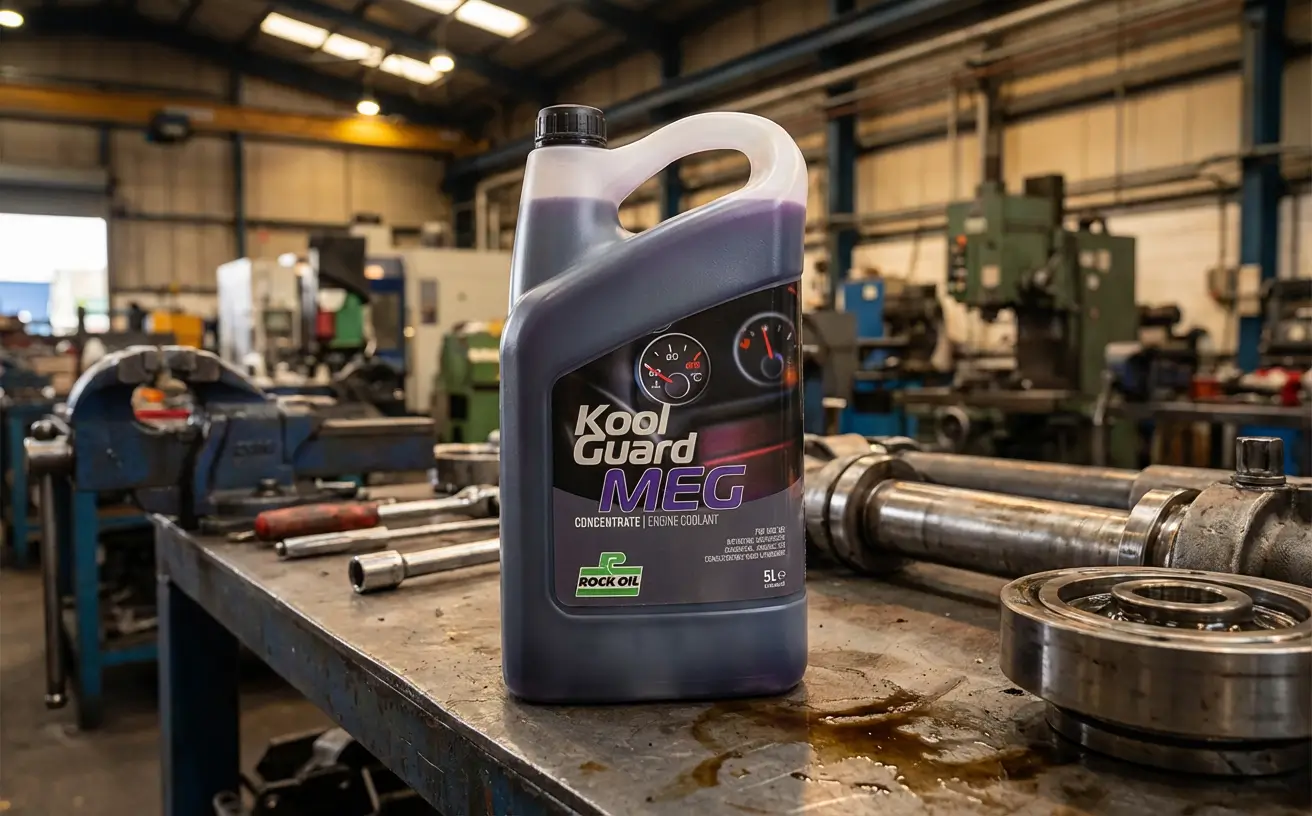
- Antifreeze and Coolants: Monoethylene Glycol is a key ingredient in antifreeze and coolant formulations for automotive engines, HVAC systems, and industrial equipment. By lowering the freezing point of water, MEG helps prevent ice formation and protects engines and cooling systems from cold-temperature damage.
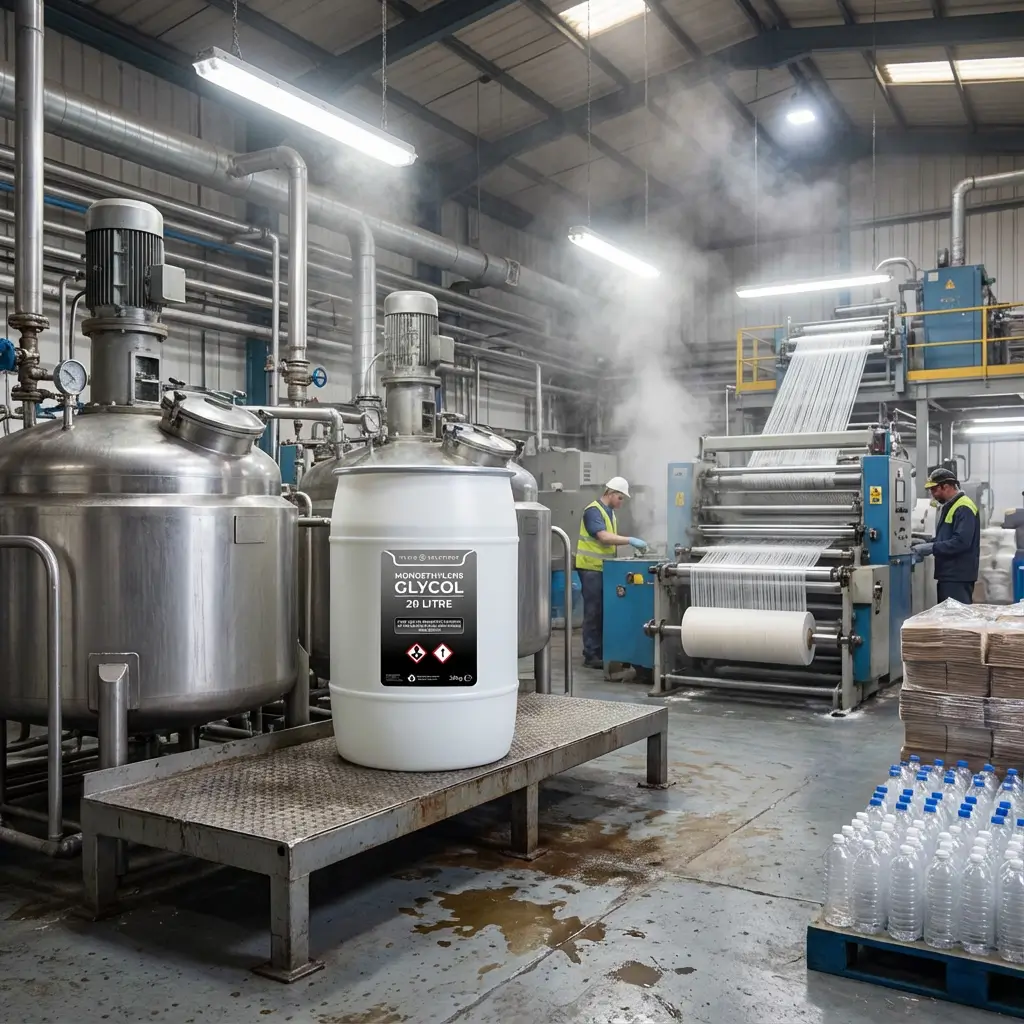
- Polyester Resins: Monoethylene glycol is a vital building block in the production of polyester resins, which are widely used in the manufacture of fibers, textiles, packaging materials, and coatings. It reacts with terephthalic acid or dimethyl terephthalate to form polyethylene terephthalate (PET) resin, a versatile material with excellent mechanical properties and chemical resistance.
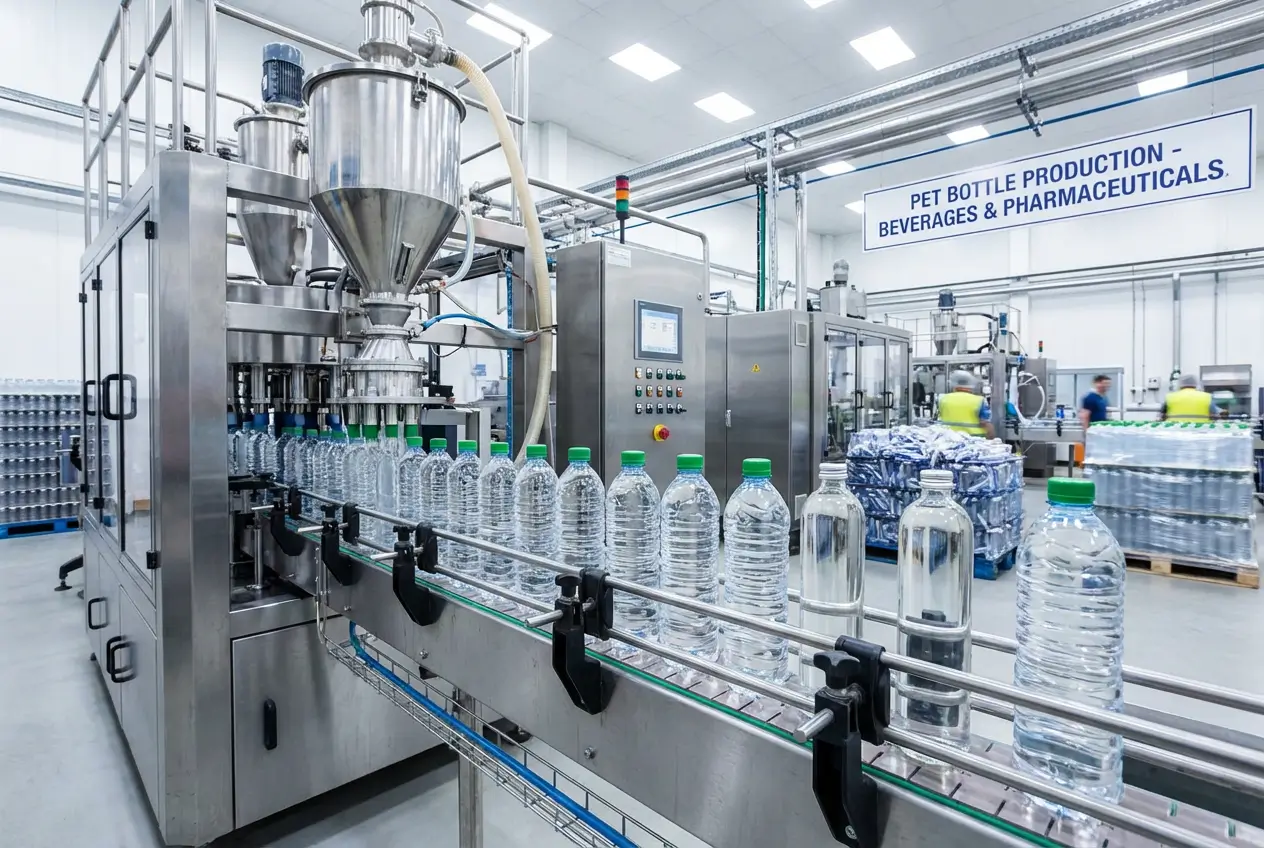
- PET Bottles: PET resin produced using Monoethylene Glycol is widely used to manufacture PET bottles for packaging beverages, personal care products, pharmaceuticals, and household chemicals. PET bottles are lightweight, transparent, shatter-resistant, and recyclable, making them an ideal choice for a wide range of packaging applications.
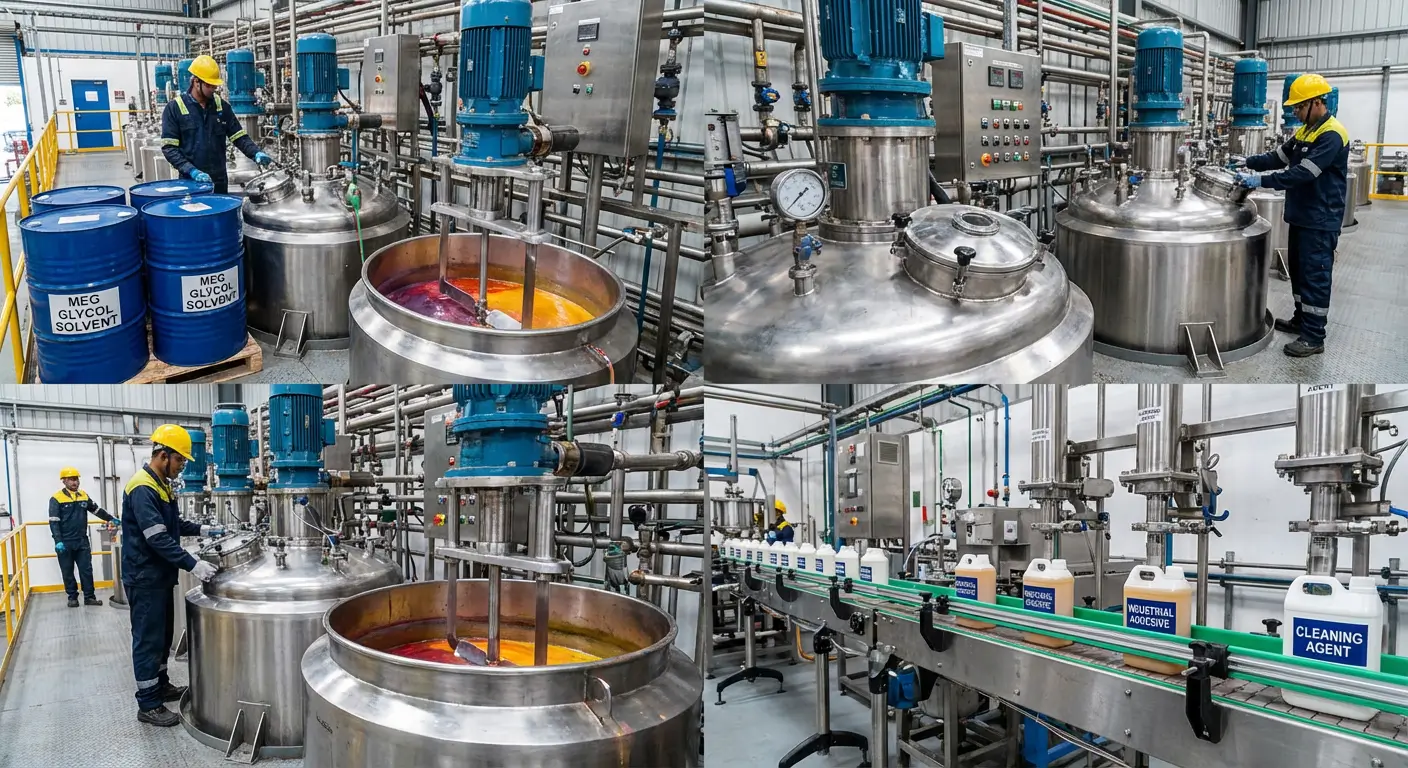
- Solvents: MEG glycol can be used as a solvent in various industrial processes, including the manufacture of paints, inks, dyes, adhesives, and cleaning agents. Thanks to its ability to dissolve a wide range of substances, MEG is valuable in product formulation and can also support certain chemical processing steps.
- Humectants: MEG is utilized as a humectant in cosmetic and personal care products such as skin creams, lotions, and hair-care formulations. It helps retain moisture, reduces drying and cracking, and contributes to a smoother texture in finished products.
- Natural Gas Dehydration: Monoethylene Glycol is commonly used in the natural gas industry for dehydration. It removes water vapor from natural gas streams to help prevent pipeline corrosion, support efficient gas processing, and meet pipeline specifications.
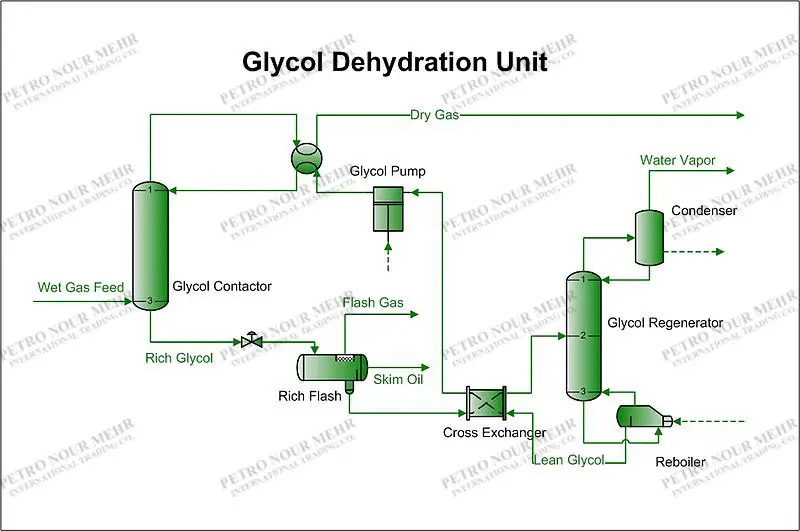
- Deicing Fluids: Monoethylene Glycol is an important component in glycol-based deicing fluids used to remove ice and snow from aircraft, runways, roads, and bridges during winter months. By lowering the freezing point of water, these fluids help melt ice and improve traction and safety on treated surfaces.
These are just a few examples of the diverse applications of Monoethylene Glycol across different industries. With competitive MEG prices and reliable supply options, MEG producers support industrial demand worldwide, making MEG a critical material for many industrial and manufacturing processes.
What are the best storage conditions for MEG?
Although MEG can be stored under various conditions, following proper guidelines helps preserve its quality and performance:
- Store MEG Glycol in a cool, dry, and well-ventilated area, preferably below 25°C (and keep it below 40°C) to maintain quality and reduce evaporation risks.
- Protect containers from direct sunlight and heat sources, as prolonged exposure may cause discoloration and affect product stability over time.
- Keep MEG away from strong oxidizers, acids, alkalis, and other incompatible/reactive chemicals to prevent unwanted reactions and contamination.
- During storage and transportation, protect drums/IBCs and valves from impacts, punctures, and leakage to maintain packaging integrity.
- Use clean, compatible, tightly sealed, moisture-resistant containers (e.g., stainless steel, HDPE, or glass) to minimize moisture pickup and preserve purity.
- For specialized grades, follow the manufacturer’s storage recommendations and ensure proper labeling with safety/handling information. During handling, use appropriate PPE (gloves, goggles, protective clothing).
Proper handling and storage help maintain MEG purity and performance, and support safe, consistent use across industrial applications.
What are the common MEG packaging options?
Monoethylene Glycol from Iran is commonly packaged and stored in various containers designed for safe transportation and use across different industries. The typical packaging options for MEG include:
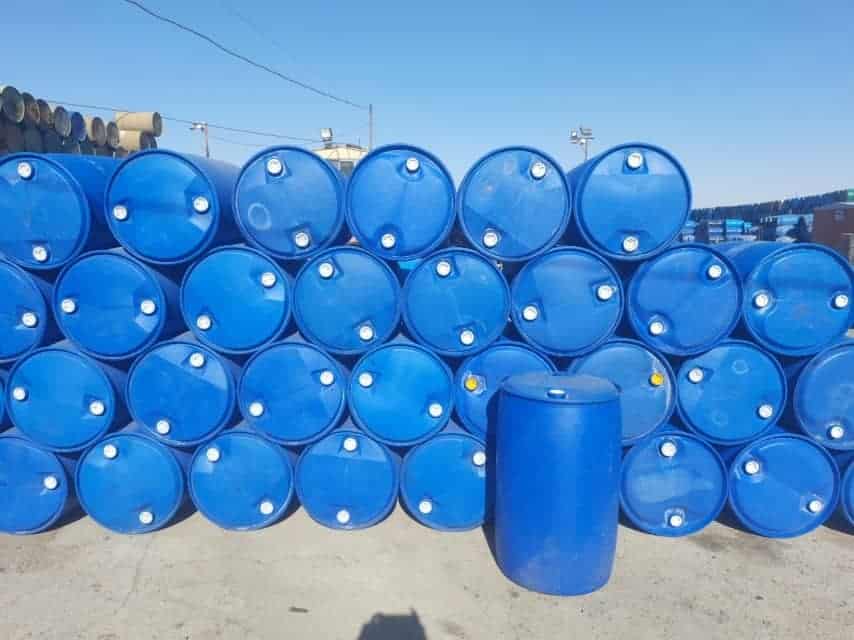
- Drums: MEG is often packaged in standard-sized drums made of materials such as carbon steel, stainless steel, or high-density polyethylene (HDPE). These drums usually have a capacity ranging from 200 liters to 250 liters and are suitable for bulk storage and transportation.
- Intermediate Bulk Containers (IBCs): MEG Glycol is frequently stored and transported in IBCs, which are large containers with capacities of 1,000 liters or more. IBCs are made from materials like HDPE or composite materials, and they are equipped with a pallet base for easy handling and stability during transport.
- Tanker Trucks: For bulk transportation, MEG is often transported in specialized tanker trucks or railcars. These vehicles are designed to safely transport large quantities of liquid chemicals, with built-in heating or cooling systems to maintain the desired temperature during transit.
- ISO Tanks: MEG can also be shipped internationally in ISO tanks, which are standardized containers suitable for intermodal transportation by road, rail, or sea. ISO tanks typically have a similar capacity to tanker trucks and offer a secure and efficient means of transporting MEG in liquid form.
- Flexitanks: In certain cases, MEG may be transported in flexitanks, large, flexible containers made from polyethylene or other suitable materials. Flexitanks are designed to fit into standard shipping containers and can hold up to 24,000 liters of liquid, offering a cost-effective solution for transporting MEG in bulk.
Regardless of the packaging type used, it is essential to ensure that containers are properly sealed, labeled, and handled in accordance with safety regulations and guidelines to prevent spills, contamination, or other hazards during storage and transportation.
MEG producers offer diverse packaging options, and MEG prices vary depending on the type of packaging used and other factors such as order quantity, delivery terms, and destination.
What are the main characteristics of MEG (Monoethylene Glycol)?
Monoethylene Glycol is a colorless, odorless, and slightly viscous liquid at room temperature. It is highly soluble in water, alcohol, and acetone, and its low freezing point makes it widely suitable for antifreeze and coolant formulations. MEG is also hygroscopic, meaning it can absorb moisture from the air. Its chemical formula is C₂H₆O₂, with a molecular weight of 62.07 g/mol.
Monoethylene glycol is an organic compound containing two hydroxyl (–OH) groups, which contribute to its key chemical properties and broad industrial performance. Due to these characteristics, MEG is widely used across several industries, including textiles, automotive applications, and packaging, making it an important industrial chemical in global supply chains.
In brief, the table below summarizes the main characteristics of MEG:
| Property | MEG (Monoethylene Glycol) |
|---|---|
| Appearance | Colorless, odorless, slightly viscous liquid (room temperature) |
| Solubility | Highly soluble in water; soluble in alcohol and acetone |
| Key feature | Low freezing point (useful for antifreeze/coolants) |
| Hygroscopicity | Hygroscopic (absorbs moisture from air) |
| Chemical formula | C₂H₆O₂ |
| Functional groups | Two hydroxyl (–OH) groups |
| Molecular weight | 62.07 g/mol |
| Main industries | Textiles, automotive, packaging |
What are the advantages of MEG?
Monoethylene Glycol (MEG) offers several important advantages that make it a widely used and valuable chemical across multiple industries.
One of the key advantages of MEG is its hygroscopic property. MEG can attract and retain moisture, which makes it highly suitable for applications such as dehumidification, air-conditioning systems, and antifreeze or coolant formulations where moisture control is essential.
Another major benefit of MEG is its versatility. It is used across a wide range of industries, including textiles, automotive manufacturing, packaging, cosmetics, and the petrochemical sector. This broad applicability highlights MEG’s importance as a multifunctional industrial chemical.
MEG is also well known for its role as an antifreeze agent. It is commonly used in automotive cooling systems and in certain windshield washer fluids, where it helps prevent freezing under low-temperature conditions.
In addition, Monoethylene Glycol can function effectively as a solvent. It is used in various industrial processes, including the production of resins, plastics, and adhesives, where stable and efficient solvent properties are required.
Another significant advantage of MEG is its role as a chemical intermediate. It is a key raw material in the production of polyester fibers, PET resins, and other polymers, making it indispensable in packaging, textile manufacturing, and plastic production.
MEG also has low volatility, which means it has a relatively low vapor pressure. This property makes it suitable for applications where reduced evaporation is preferred, such as antifreeze formulations and certain industrial fluids.
Finally, Monoethylene Glycol is considered biodegradable under aerobic conditions. When properly managed, this characteristic can help reduce environmental impact compared to less degradable chemical alternatives.
Overall, while MEG producers supply Monoethylene Glycol with many advantages for industrial applications, proper handling, storage, and disposal are essential to reduce potential risks and ensure safe, reliable use.
What are the physical and chemical properties of MEG?
Monoethylene Glycol has several physical and chemical properties that make it valuable in various industrial applications:
| Physical Properties | Details | Chemical Properties | Details |
|---|---|---|---|
| Appearance | Colorless, odorless, viscous liquid at room temperature | Hygroscopicity | Hygroscopic; readily absorbs moisture from the air |
| Melting Point | ~ -12.9 °C | Reactivity | Relatively stable under normal conditions; can react with certain chemicals to form derivatives |
| Boiling Point | ~ 198 °C | Behavior in Water | Contributes to boiling point elevation and freezing point reduction in water (useful in antifreeze/coolant formulations) |
| Solubility | Highly soluble in water, alcohol, and acetone | Flammability | Combustible; may ignite under certain conditions (open flame/high temperatures) |
| Viscosity | Moderate to high; varies with temperature | Toxicity | Harmful if swallowed; high exposure may cause adverse effects; may irritate skin and eyes |
These properties make Monoethylene Glycol suitable for a wide range of applications, including antifreeze and coolant formulations, polyester (PET) production, solvent-based processes, and use as a chemical intermediate. MEG may also be used in certain pharmaceutical and personal care formulations, depending on applicable regulations and product requirements. Proper handling, storage, and disposal help maintain MEG quality and ensure safe, consistent performance throughout storage, transportation, and use.
What are the common grades of MEG?
Monoethylene Glycol (MEG) produced in Iran is available in several different grades, each designed to meet specific industrial and regulatory requirements. MEG producers supply these grades to serve a wide range of applications, from general industrial use to highly regulated pharmaceutical and laboratory environments.
Industrial Grade MEG is commonly used in antifreeze and coolant formulations, general industrial applications, solvents, and as a chemical intermediate. In this grade, purity and impurity limits are usually broader compared to higher-grade MEG, making it suitable for large-scale industrial processes where ultra-high purity is not required.
Technical Grade MEG is intended for applications that require higher consistency and tighter specifications than industrial grade. While it offers improved quality control, it is not designed for pharmaceutical or other critical uses that demand compendial compliance.
USP or Pharmaceutical Grade MEG is used in pharmaceutical and medical-related applications. This grade meets USP and other compendial quality expectations, including strict requirements for testing, traceability, and specification compliance, making it suitable for regulated healthcare environments.
Food Grade MEG is used in indirect or food-contact-related applications, depending on the regulations of the destination country. For this grade, it is essential to confirm compliance with applicable regulatory frameworks, such as U.S. FDA requirements and relevant European Union regulations, including EFSA scientific guidance where applicable.
Reagent or Laboratory Grade MEG is primarily used for laboratory analysis, research, and chemical testing. This grade offers high purity to ensure consistent and reliable analytical and research results.
Overall, these are some of the most common MEG grades available on the market. MEG manufacturers and producers offer different grades to meet diverse industry needs, and MEG prices from Iran typically vary depending on the selected grade and specification.
What are the differences between MEG, DEG, and TEG?
| Glycol Type | Chemical Structure | Common Applications |
|---|---|---|
| MEG | One ethylene glycol unit | Polyester production, PET resins (packaging, textiles) |
| DEG | Two ethylene glycol units | Solvent, chemical intermediate |
| TEG | Three ethylene glycol units | Dehydration in gas processing, humidity control |
How to buy MEG?
To ensure a safe, efficient, and cost-effective purchase of Monoethylene Glycol, follow the steps below:
- Buy from a Certified Supplier: Choose a reputable and authorized supplier with valid certifications and proven product quality.
- Compare Market Prices: Review MEG prices in different local and international markets to ensure you receive a competitive global rate.
- Review Sales Conditions: Examine the details related to order quantity, delivery schedule, packaging type, transportation method, and payment terms.
- Check Import and Export Regulations: If you plan to import MEG, investigate customs, legal regulations, and ensure compliance with all applicable export and import requirements in your country.
- Contact Petro Nour Mehr International Company: Reach out to our sales department to receive the most suitable export price based on your volume, destination, and logistical requirements.
- Contract and Order Placement: Once the agreement is finalized, sign the contract and place your official order.
- Secure Payment Options: Petro Nour Mehr International Co. provides safe and flexible payment methods tailored to customer preferences.
- Loading and Transportation: The loading process is carried out through a trusted transport company, selected in coordination with the buyer.
- Customs Documentation: All necessary documents for customs clearance at the destination are provided by Petro Nour Mehr International Co.
- sales@petronourmehr.com
- +98 219-100-7557
For all inquiries, please don’t hesitate to contact our sales department using the form below.