
Applications of Polyethylene in Plastic Injection Molding
Versatile Polymers for Plastic Injection Molding
Versatile polymers are important to the plastic injection molding process due to their various uses and properties. High-density polyethylene (HDPE) and low-density polyethylene (LDPE) are two more efficient polyethylene types. These polymers are essential in a range of industries due to their outstanding combination of properties, including flexibility, durability, and chemical resistance.
Both HDPE and LDPE have outstanding molding properties, allowing for complex patterns and precise mold reproduction. Their versatility includes the ability to use post-processing techniques like coloring and surface treatments to improve appearance and functionality. These polymers also meet environmental aims because they are recyclable. As a result, in the field of plastic injection molding, the versatility of polyethylene variations ensures a diverse variety of solutions fitted to specific needs in each industry.
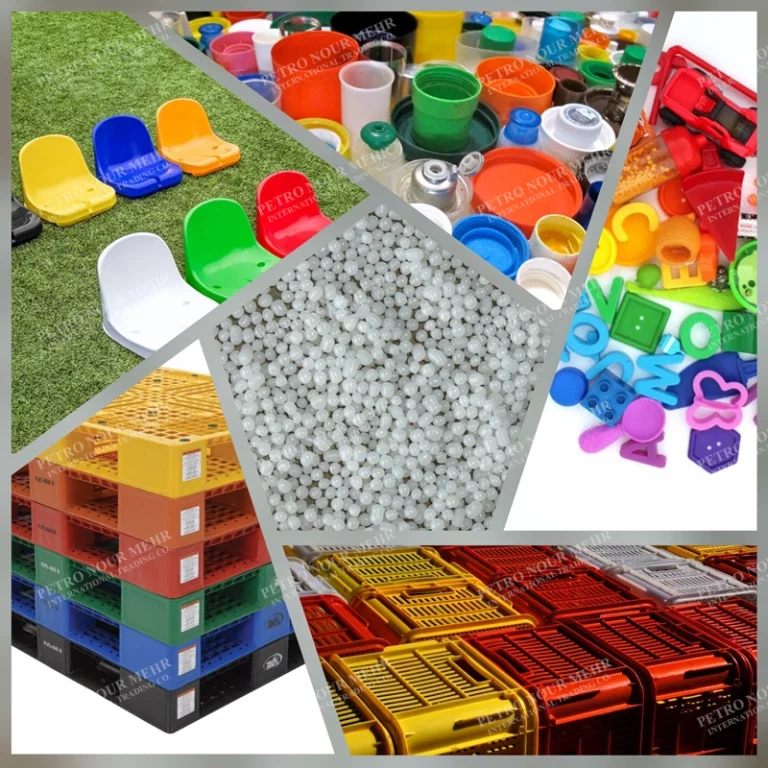
Polyethylene Injection Grades
Because of its outstanding strength-to-density ratio, HDPE can be used for a variety of applications, including different boxes and crates, pallets, seats, and housewares. It is ideal for objects that require structural integrity and long-term durability due to its high tensile strength and resistance to chemicals and humidity. Products that require stretchability and impact resistance, such as toys and bottle caps, may benefit from the usage of LDPE because of its increased flexibility and decreased density.
Jam, Mahabad, Tabriz, Bakhtar, Lorestan Petrochemicals, and AryaSasol Polymer Companies are the largest producers of polyethylene injection molding grades, which are widely used in a variety of products.
Analysis of Polyethylene Injection Grades
The different injection molding grades of polyethylene raw materials are shown below. These grades of HDPE and LDPE raw materials will be exported with the HS codes 39012030 and 39011040, respectively.
You can also download the catalogue by clicking this button.
Also, if you want to see the other polymer materials Petro Nour Mehr company can supply and export, click on this link.
Applications of Plastic Injection Molding
Plastic injection molding is another popular manufacturing technology used in a wide range of industries and applications, depending on the type of polyethylene used. For example, injection molding uses HDPE for producing caps and closures, pallets, containers and crates, large dustbins and pails, and seats, while LDPE is used to make toys, caps, and household items.
Caps and Closures
Because of their unique characteristics, HDPE and LDPE play an essential role in cap production. Because of its high strength and stiffness, HDPE is commonly utilized to make closures that must be long-lasting and resistant to damage. As a result, it is ideal for caps used to package liquids like medicines and beverages. On the other hand, LDPE has elasticity and flexibility, making it ideal for caps used in dispensing applications requiring a tight seal, such as lotion or condiment squeeze bottles.
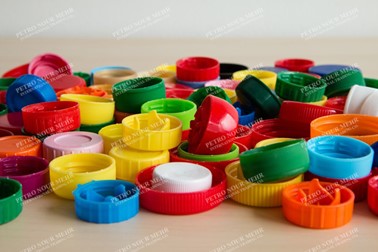
Using polyethylene in injection molding to manufacture caps
Pallets
Because of its strength and capacity to resist chemicals and humidity, HDPE is ideal for pallet manufacturing. Due to its high strength-to-weight ratio, pallets that are both lightweight and strong enough to handle heavy loads can be created. HDPE pallets are durable and resistant to breakage. Also, since they can be recycled, they contribute to meeting environmental goals and providing reliable performance in areas such as transportation.
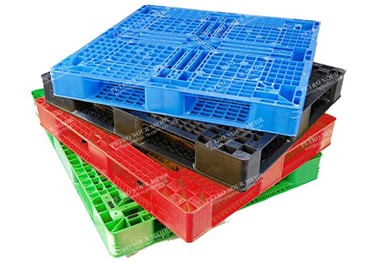
Using HDPE in injection molding to manufacture pallets
Crates
Because of its versatility, HDPE is an excellent material for making strong and impact-resistant crates. HDPE crates are durable and easy to use, making them perfect for transportation or storage purposes. They are effective in a variety of environments, including supermarkets, manufacturing, and storage facilities, providing reliable containment and protection for a wide range of products.
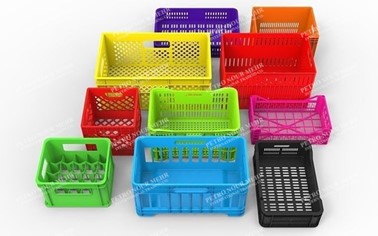
Using HDPE in injection molding to manufacture crates
Seats
HDPE’s strength and flexibility make it suitable for long-lasting chair solutions. HDPE is resistant to weathering, UV radiation, and chemical exposure, ensuring durability and low maintenance in applications ranging from stadium seats to outdoor benches. HDPE chairs are popular because of their lightweight nature, which simplifies installation and transportation.
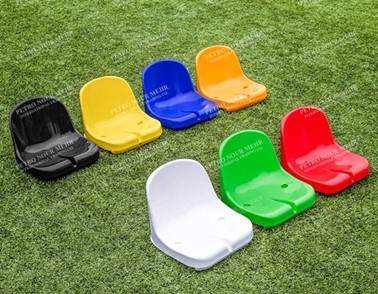
Using HDPE in injection molding to manufacture seats
Containers
Because of its chemical resistance, HDPE is the ideal material for creating containers for storing and transporting a wide range of goods, including liquids, powders, and chemicals.
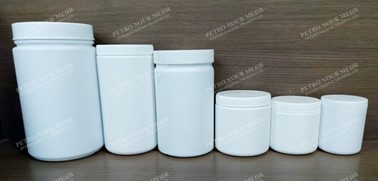
Using HDPE in injection molding to manufacture containers
Toys
LDPE, which is valued for its safety and flexibility, is widely used in the manufacturing of toys. Because of its softness and flexibility, it can be used to make toys that need to be folded or compressed, keeping children safe as they play.
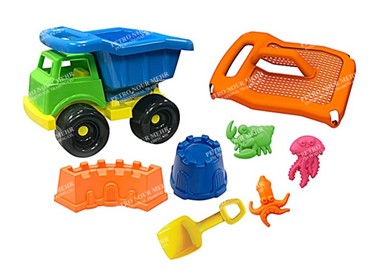
Using LDPE in injection molding to manufacture crates
Household Articles
LDPE is a versatile and durable material for a variety of household goods, including shower curtains, kitchen equipment, garbage bags, and storage containers. Because of their resistance to chemicals and moisture, LDPE home items last a long time and are easy to clean, adding to their convenience and utility in home environments.
Plastic Packaging, Inc. is one of the largest companies that operates in producing a wide range of products related to packaging using the plastic injection molding process.
It should be noted that Petro Nour Mehr Company can supply and export materials for any of those above and other applications.
Plastic Injection Molding Process
In general, melted material is injected into a mold during the injection molding manufacturing process to create parts. Injection molding can be used with a variety of materials, including metals, glasses, elastomers, confections, and, most commonly, polymers.
First, raw material is fed into the machine and placed in a heated barrel to melt and mix it all at once. Following that, the molten polymer is poured into a mold cavity and forced to stay under pressure for a set period. This is necessary to ensure that the plastic fills the tool and forms the proper shape. The screw then retracts, relieving pressure and allowing the component to cool within the mold as the plastic solidifies. Furthermore, it can last anywhere from a few seconds to a few minutes and ensures that the part is properly set before being finished on the production line and ejected.
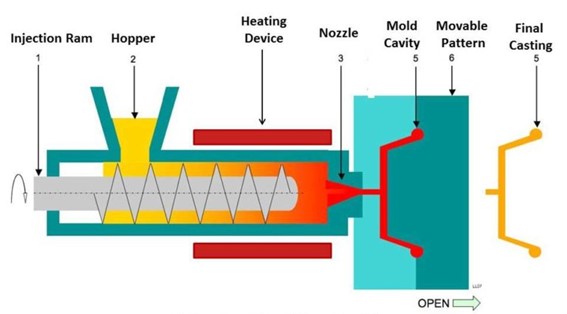
Schematic of injection molding process
Advantages of Plastic Injection Molding
A single part can be 3D printed or CNC machined in minutes or even hours, whereas typical injection molding cycles last less than one minute. Multiple smaller parts can be molded into a single larger mold, even for complex geometries that take up to 120 seconds to form. This boosts productivity and maximizes the use of each mold, allowing you to produce hundreds of identical components per hour for a low cost.
One of the primary benefits of plastic injection molding is its high degree of reproducibility. You could make thousands of pieces with your mold before needing to keep up with tool maintenance. You will also receive identical products because injection molding uses the same mold for each part.
In comparison to many other manufacturing methods, injection molding produces less waste material after production, though it still generates excess trash. To reduce material waste and save money, simply regrind, melt, and reuse any remaining unused plastic components.
Throughout the process, melted plastic is injected into the mold under extreme pressure. This forces the plastic firmly against the molds, resulting in incredible detail and intricate shapes.
Challenges in Plastic Injection Molding
Low-volume production runs cannot afford the high start-up costs required for making specific tools for each injection molded part. Even though reusing these molds will save you money on tooling in the long run, you must consider their initial cost.
Also, when you make changes to the design, you can simply upload a file for 3D printing and have a new part printed, but injection molding does not work that way. If you change the design, you’ll likely have to start over and create a new mold, which will cost you more money and time.
While injection molding cycles were advantageous in and of themselves, the manufacturing cycle required to produce the injection molding molds is typically quite long, potentially extending the product development period.
Quality Control in Plastic Injection Molding
Before using raw materials in the injection molding process, they must be examined to ensure they meet requirements. This is the first step in the quality control process.
To ensure optimal efficiency, inspect all of the injection-molding machine’s parts, as well as the temperature and pressure. This stage ensures that the material is properly melted before it enters the molding machine, thereby eliminating flaws such as air bubbles in the finished product or uneven surface finish on molded pieces.
The next thing to do is to inspect the molded components for voids or other flaws, ensuring that every part leaves the injection molding machine correctly and without defects.
Innovations in Plastic Injection Molding Technology
Smart tooling and automation advances have altered the manufacturing process, integrating sensors and actuators into molds to continuously track and control variables such as pressure and temperature. By automating everything from part removal to quality inspection, we not only ensure consistent quality and reduce errors, but we also speed up production, increase productivity, and minimize staff costs.
Another important advancement is additive manufacturing, which employs 3D printing technology to manufacture mold tooling at previously unattainable speeds and complexity. This modification reduces mold fabrication lead times and allows for the creation of complex shapes that were previously difficult to achieve using traditional machining processes.
In response to growing environmental concerns, this industry has introduced sustainable practices. These efforts include material recycling and energy-saving technology. These projects aim to provide environmentally friendly solutions, reduce waste, and lower carbon impact without sacrificing functionality. Furthermore, the introduction of digital twin technology has enabled manufacturers to virtually replicate the whole injection molding process, allowing them to alter parameters, predict difficulties, and enhance processes before beginning actual production.
Global Market Insights
Polyethylene is an essential component in injection molding because of its low cost, flexibility, and durability. Its widespread use in a variety of applications, including automotive components and packaging, demonstrates its importance to the industry. Although polyethylene can be utilized in a range of other procedures, injection molding is always superior to other methods in terms of sophisticated designs, large-scale manufacturing, and consistent quality.
The global plastic injection molding market is growing because of the need for customized goods, advances in technology, and ecologically friendly programs that promote the use of recycled materials. Despite changing markets, injection molding is a reliable and necessary alternative that will continue to affect worldwide manufacturing.
- Purchase from a trustworthy provider with credentials to ensure quality.
- Compare the pricing of these materials in various markets with the global market price.
- Examine the sales conditions, including quantity, delivery time, packaging, transportation methods, and payment terms.
- Contact Petro Nour Mehr Company to acquire the best export price according to your requirements.
- Petro Nour Mehr Company provides secure and suitable payment methods based on consumer preferences.
- It’s notable that our company has contact with several reputable transportation providers which can assist you find the best solutions.
- Also, the company provides customers with the necessary documentation for customs clearance in their final city.