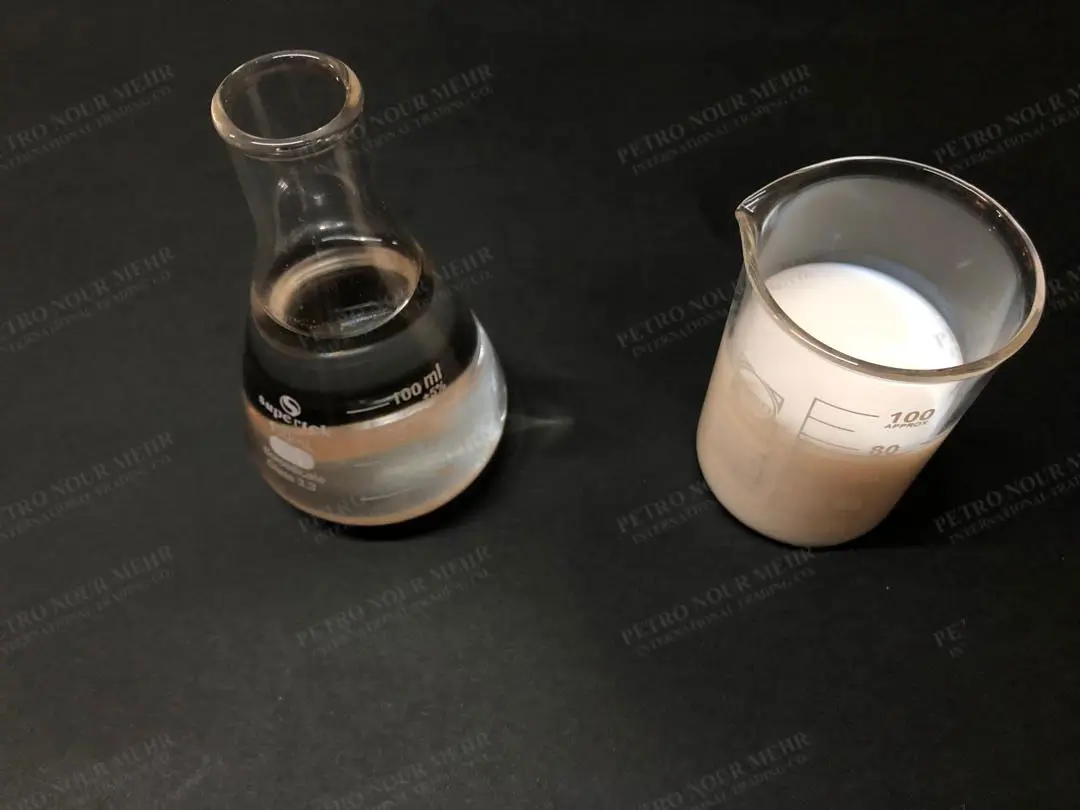
Description
The HDPE 3840 Compound is a high-performance polyethylene material designed for applications requiring excellent strength, durability, and chemical resistance. With its superior mechanical properties, this compound is an ideal choice for a wide range of industrial and consumer products.

HS Code
This product will be exported with the HS code 39012051, 39019000, 39012090 and 39012000
Product Application
Tank, Container, Toy, Canoe and Boat
Processing Method
Rotational Molding
Previous slide
Next slide

HDPE 3840 Compound: Export-Ready with Flexible Payment Options

Datasheet of HDPE 3840 Compound

At Petro Nour Mehr, we deliver the HDPE 3840 Compound with top quality, fast production, and competitive prices. This compound offers excellent weldability, making it ideal for various applications that require reliable and durable materials. Its superior mechanical and chemical properties ensure long-lasting performance, even in tough environments.

You can download the datasheet for this compound here for more detailed specifications.

If you need virgin HDPE 3840UA, feel free to contact us for the latest export prices and reliable delivery. Our team is ready to assist with any inquiries or specific requirements.

HDPE 3840 Compound
HDPE 3840 Compound You can find the MSDS and datasheet for HDPE 3840 at the link below.

Special Export Offer

We specialize in helping you choose the best transportation options if you want to import HDPE 3840 Compound to your country. We guarantee prompt delivery of all relevant documentation to ensure a smooth customs clearance at your destination.

Furthermore, we provide various payment terms adapted to your specific requirements, assuring a secure transaction. For example, Russian consumers can pay in Russian Rubles, whereas clients from other areas can pay in cash or by bank transfers through our offices in Dubai or Turkey.

Our dedicated team is always available to guide you through each step of the process, from selecting the best shipping methods to handling payments and documentation.

Price Inquiry Form

HDPE 3840 Compound Export Trends from Iran

Annual Export Trends of HDPE 3840 Compound from Iran to Neighboring Countries (2022-2024)

The chart below illustrates Iran's annual export volumes of HDPE (High-Density Polyethylene) 3840 Compound to four neighboring countries: Iraq, Turkey, Tajikistan, and Georgia, from 2022 to 2024.

The map provides a visual summary of Iran’s annual exports of HDPE material, specifically the 3840 compound, to Iraq, Turkey, Tajikistan, and Georgia. Hovering over each country reveals specific export volumes, showing that Iraq and Turkey have the highest demand, while Tajikistan and Georgia show steady growth, indicating emerging markets for HDPE for sale.

The color gradient on the right represents the total weight (in tons), ranging from lighter to darker shades, reflecting lower to higher export volumes respectively. This combination of map and chart allows HDPE suppliers to quickly assess and compare the annual export flow of high-density polyethylene, providing a clear view of regional market dynamics and potential areas for strategic trade development.

In addition, another line chart illustrates the monthly export volumes of HDPE Plastic 3840 Compound for sale to these countries.

The vertical axis represents the export volumes (in tons), while the horizontal axis shows the months of the year. Each line on the chart corresponds to one of the four countries, allowing viewers to track how export volumes vary month by month. This detailed breakdown is invaluable for HDPE manufacturers and traders analyzing market trends.

By hovering over any point on the chart, users can view the specific export volumes for each country during a particular month. This combination of annual and monthly export data provides a comprehensive overview of the trade trends for high-density polyethylene, showing how demand fluctuates across different times of the year and between countries. For HDPE granules manufacturers, such insights can aid in optimizing production schedules and pricing strategies to manage HDPE costs effectively.


If you require export data to other countries or need more information, please feel free to

Export Offers for HDPE 3840 Compound to Various Countries

Export Offers to Tajikistan

We offer the export of high-quality HDPE 3840 Compound to Tajikistan, providing competitive shipping terms tailored to your needs. Our delivery option includes CPT Dushanbe or CPT Khujand, with transportation by rail through the Sarakhs border crossing in Iran.

Payment Terms: 30% cash in advance and 70% against documents.

Why Choose Us? Efficient logistics and competitive pricing make us a reliable partner for your needs.
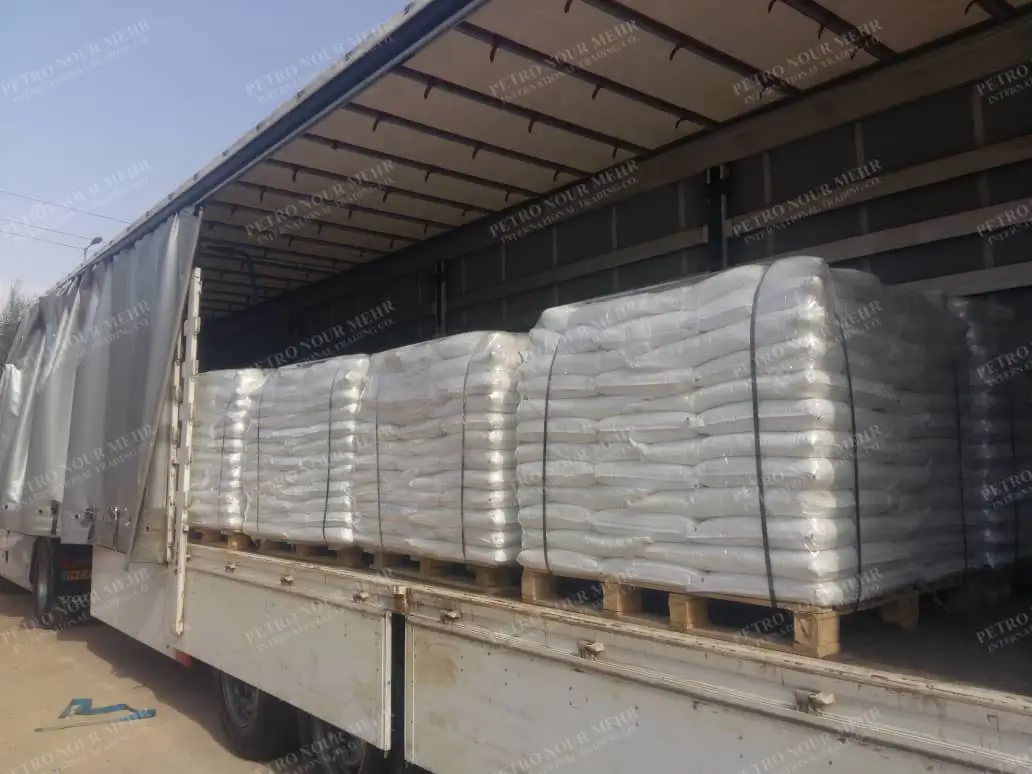
Tajikistan Export

Export Offers to Turkey

For companies in Turkey, we provide export services under CPT Assaluyeh terms with fast delivery to key cities like Istanbul, Ankara, and Izmir.

Payment Terms: 30% cash in advance and 70% against documents.

Why Choose Us? Extensive experience and specialized packaging ensure quality and timely shipments.
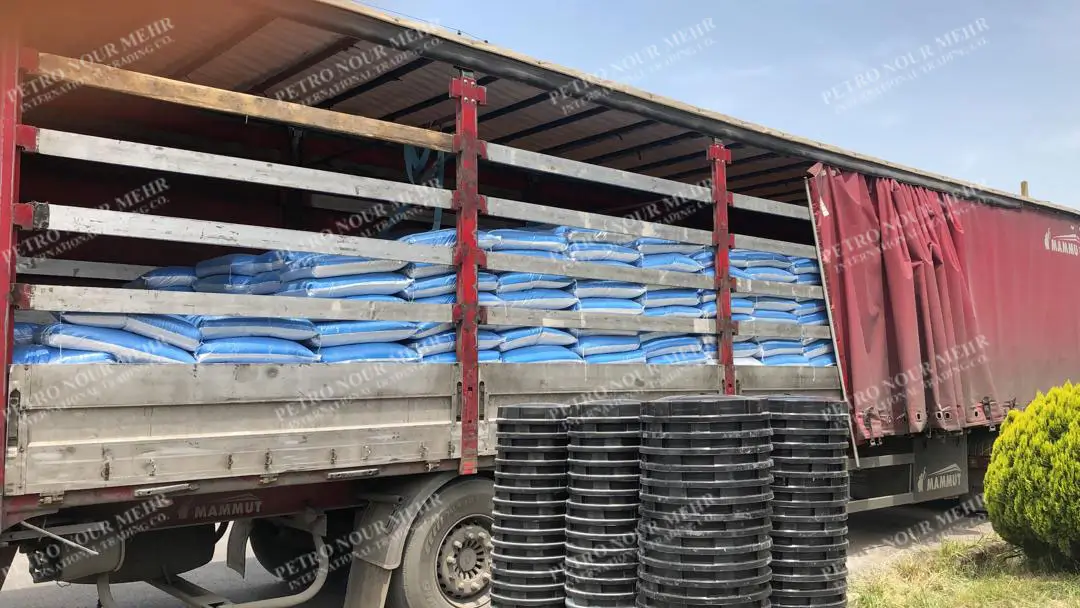
Turkey Export

Export Offers to Iraq

We offer reliable export services to Iraq, covering cities like Baghdad, Erbil, and Sulaimaniyah. Delivery is managed via Mehran, Khosravi, or Parvizkhan border crossings.

Payment Terms: 30% cash in advance and 70% against documents.

Why Choose Us? Our logistics expertise guarantees secure and timely deliveries to Iraq.
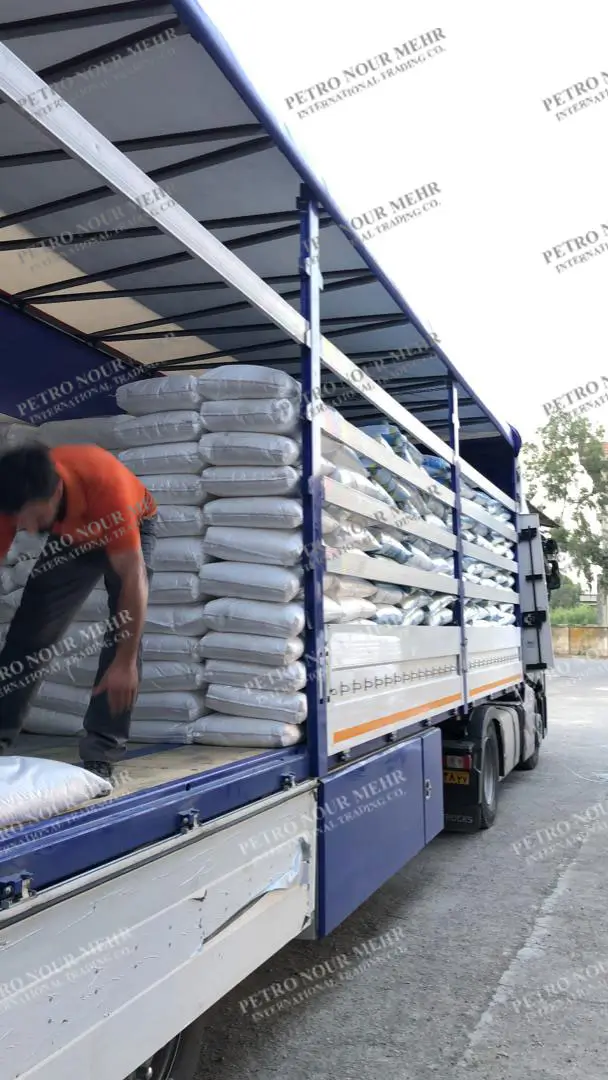
Iraq Export

Export Offers to Georgia

We provide efficient export services to Georgia, covering cities like Tbilisi, Batumi, and Kutaisi through the Astara border crossing.

Payment Terms: 30% cash in advance and 70% against documents.

Why Choose Us? In-depth market knowledge and reliable logistics make trade hassle-free.

Georgia Export

The production process of HDPE 3840 Compound


In the production process of HDPE 3840 UA Compound, we use HDPE roto molding grade HD-3840UA sourced from Tabriz Petrochemical. This type of polyethylene is known for its outstanding properties, such as high mechanical strength, thermal stability, and long lifespan, making it one of the best choices for manufacturing various industrial and household tanks, especially in polyethylene rotational molding applications.

HD 3840 UA Compound is particularly well-suited for rotational molding, offering enhanced durability and performance. One of the key steps in producing HDPE 3840 Compound is the addition of high-quality color masterbatches. These masterbatches not only provide consistent and uniform color to the final product but are also carefully selected from leading HDPE raw material suppliers to ensure compatibility with polyethylene tank applications.

Our HDPE rotomolding products are designed for easy processing, and we offer a wide range of colors to meet the diverse needs of our customers. Additionally, these masterbatches are UV-resistant, helping the tanks maintain their properties and resist degradation from sunlight over time, making them ideal for both industrial and household applications.

For polyethylene rotational molding, we use roto powder that is specifically engineered to provide optimal flow properties and ensure smooth and efficient processing. By sourcing from trusted suppliers and optimizing production, we strive to balance HDPE costs with quality.


HD3840 Compound

HDPE 3840UA from Tabriz Petrochemical


In addition to masterbatches, we use advanced additives such as antioxidants and lubricants to enhance the performance and final properties of the product. Antioxidants protect the polyethylene from oxidation and degradation due to high temperatures during production and use, while lubricants improve the extrusion process, resulting in a smoother appearance and better flowability of the final product, particularly for applications in HDPE rotational molding.

Next, the mixture of raw materials, color masterbatches, and additives is fed into a twin-screw extruder. The twin-screw extruder is designed to ensure that the materials are evenly melted and mixed throughout the process. This uniformity in the material mix helps improve the mechanical and chemical properties of the final product and prevents any weak spots from forming.

The final compound is optimized for both HDPE molding and polyethylene molding applications. During this stage, the materials are continuously monitored to maintain the optimal properties for HDPE rotational molding, ensuring the highest quality in both industrial and household tank production.

compound-process

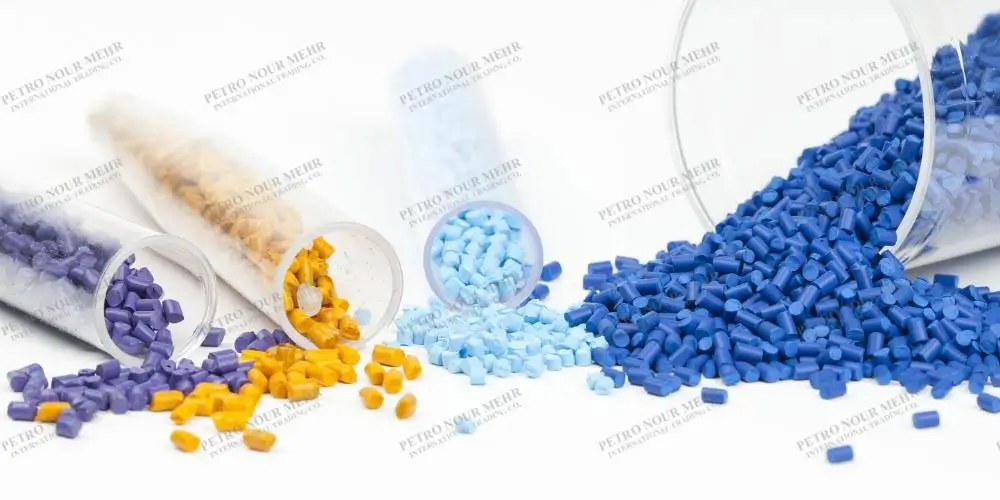
Colored masterbatch used in HDPE 3840 Compound.

Once the extrusion process is completed, the material goes through granulation, where it is transformed into small, uniform granules ready for further production stages. However, one of the unique advantages of our HDPE rotational molding process is the powdering stage. At this stage, the produced granules are processed into fine powder using advanced powdering equipment. Depending on customer requirements, we can produce rotational molding powder with various mesh sizes, allowing us to offer products that perfectly match their specific needs for both polyethylene rotational molding and HDPE molding applications.

Throughout the entire production process, from selecting the raw materials to the final product, we place a strong emphasis on quality. The precise formulation of materials and additives, the use of advanced equipment, and continuous quality control all ensure that the final product has excellent mechanical and thermal properties, long durability, and compatibility with various environmental conditions.

Our HDPE rotational molding products are carefully engineered for both polyethylene molding and HDPE molding , ensuring that the tanks and components produced meet the highest standards. Our customers, whether manufacturers or traders, can be confident that with HDPE 3840 Compound, they are receiving a premium-quality, reliable product for their polyethylene rotational molding needs.

One of our key strengths in the production of HDPE 3840 Compound is our ability to offer customized services. We can provide products not only with specific colors and properties requested by our customers but also with powder mesh sizes tailored to their exact needs. This flexibility allows us to deliver unique, custom-made products to each customer, helping them produce high-quality and differentiated products in the competitive market.

As high granules suppliers, we are committed to offering competitive HDPE granules prices while maintaining the highest standards of quality. We also monitor high-density polyethylene prices to ensure that our customers receive cost-effective solutions without compromising on performance.

For those looking to buy high-density polyethylene, our customizable offerings allow clients to choose exactly what suits their specific production needs, whether for HDPE molding, polyethylene molding, or rotational molding powder, ensuring the best results for their end products.

compound-process

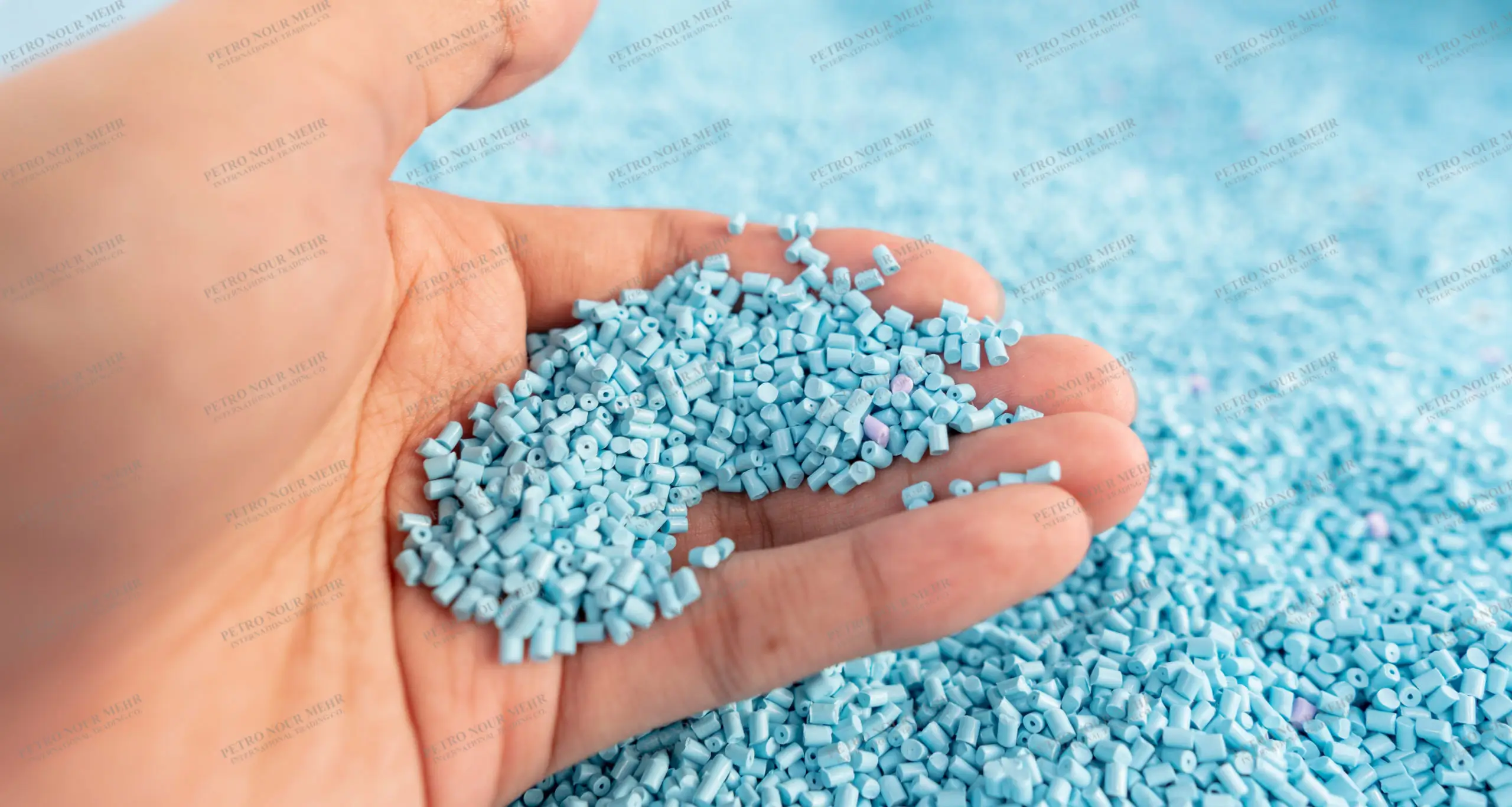
HDPE 3840 Compound granules

Our HDPE 3840 Compound offers several advantages to our customers. We provide negotiable payment terms, ensuring that our clients can find a solution that works best for their financial situation. Additionally, we can fully manage the transportation process, delivering the compound directly to our customers' locations for added convenience, whether they require HDPE molding materials, polyethylene rotational molding products, or Rotational molding powder.

Moreover, the packaging can be completely customized to meet the specific requirements of our clients, ensuring that the product arrives in optimal condition. Whether it's roto moulding powder or granules for HDPE rotational molding, we ensure secure and tailored packaging solutions that maintain the quality and integrity of the materials throughout the supply chain.

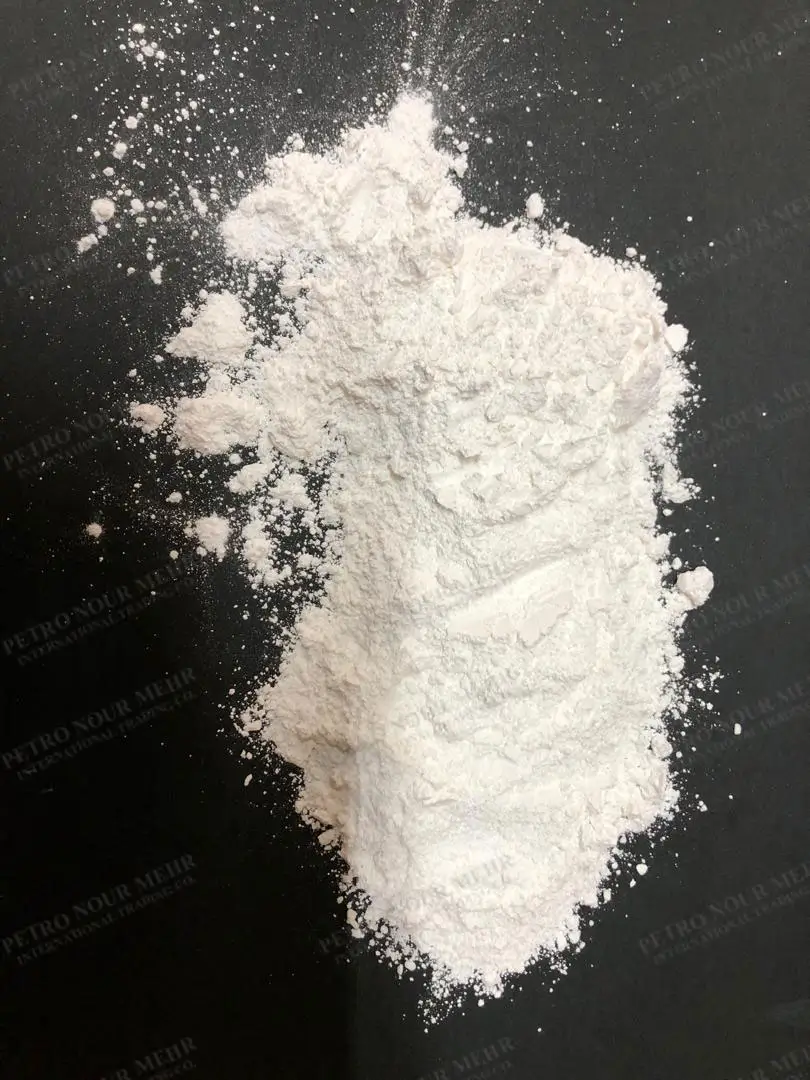
HD3840 Compound powder

HDPE 3840 Compound powder

Due to their unique characteristics, such as corrosion resistance, lightweight, and the ability to be produced in various sizes and shapes, polyethylene tanks are widely used across numerous industries and applications. Some of the key applications of polyethylene tanks include water storage, chemical storage, petroleum and fuel gas storage, use in electroplating industries, food and beverage storage, environmental storage tanks for collecting and storing recyclable materials, wastewater, and industrial and municipal waste, among others.

These tanks are often manufactured using polyethylene rotational molding and HDPE rotational molding techniques to ensure durability and high performance.Today, polyethylene tanks are among the most commonly used storage units for potable water.

One of the most critical aspects in the production of 3840 compound is the supervision and quality control process, which is carried out continuously during production and after the process is completed. This quality control procedure includes laboratory testing of the produced 3840 compound powder, along with visual inspection and uniformity checks. Moreover, with direct supervision throughout the production process and real-time monitoring of every stage of 3840 compounding, Petro Nour Mehr International Trading Co. assures its valued customers that they will receive a product of exceptionally high quality, fully compliant with international standards. In addition, to guarantee the color consistency, uniformity, and quality of the produced 3840 compound, a sample tank production test is conducted to ensure customers' confidence in the quality and performance of the final product. In the following, you can see the process of producing Compound 3840, including milling and sample tank production.

First Step: Extruder

Production of blue 3840 compound granules using a twin-screw extruder

Second Step: Milling

Milling of Blue 3840 Compound Granules

Third Step: Production Water Tanks

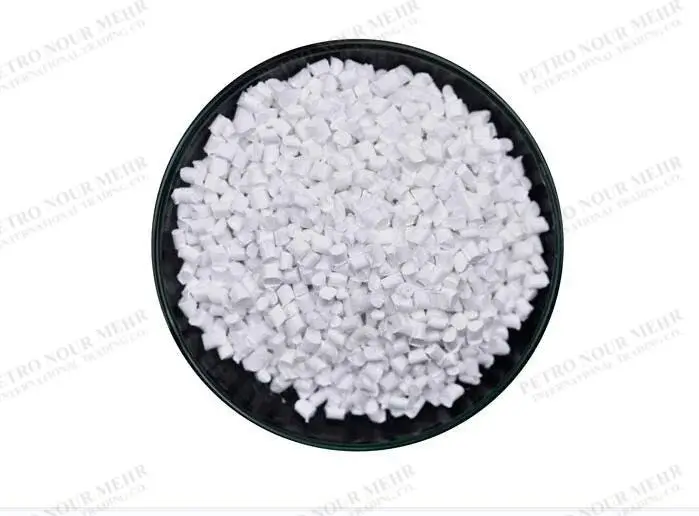
Production of a 1000-Liter Horizontal Tank Sample in Pearl White Color from 3840 Compound

Production of an 80-Liter Vertical Tank Sample in Blue Color from 3840 Compound

The main producers of HD-3840UA in Iran are Tabriz Petrochemical, Shazand Arak Petrochemical, and Lorestan Petrochemical, which are among the leading high-density polyethylene manufacturers in the region. In the rotational molding process for producing polyethylene tanks, roto moulding powder is used instead of granules. This process requires grinding granules into rotational molding powder, which contributes to the HDPE granules price.

With fluctuating high-density polyethylene prices, it is important for industries to monitor HDPE material prices closely to maintain competitive production costs. For buyers looking to buy high-density polyethylene, sourcing from reliable suppliers ensures both quality and cost-effectiveness, especially for HDPE molding and polyethylene molding applications.

Select the appropriate polyethylene resin based on the desired properties, application requirements, and process method. Prepare the resin by drying it if necessary and mixing it with additives such as stabilizers, colorants, and UV protectants to enhance performance and appearance. Polyethylene 3840 granules are finely ground into HDPE rotational molding powder. If colored or multi-layer tanks are needed, polyethylene is mixed with approved food-grade colorants such as TiO₂. Titanium Dioxide is a food-grade pigment with antibacterial properties, commonly used as a white pigment in this industry, especially in polyethylene rotational molding applications.

Production Process of HDPE 3840 Compound Powder

Another key service offered by Petro Nour Mehr International Trading Co., alongside the export of 3840 compound, is the production and supply of tank lids in various sizes, tailored to meet the specific needs of customers. Therefore, customers can order high-quality lids in their desired sizes for their produced tanks, along with their purchase of 3840 compound.

Production tank lids in various sizes

The HDPE 3840 Compound has been trusted by manufacturers around the world for producing high-quality polyethylene tanks. Leading global companies like Rotoplas in Mexico rely on similar high-density polyethylene materials to ensure durability and performance in their products. This compound’s superior mechanical properties make it ideal for tanks used in water storage, chemical storage, and more, meeting the standards set by some of the most recognized names in the industry. Its compatibility with polyethylene rotational molding and HDPE rotational molding processes makes it a preferred choice for a wide range of applications.

In the process of HDPE rotational molding, this compound is particularly valued for its ease of shaping and long-lasting strength. Its excellent flow characteristics also make it suitable for HDPE molding and polyethylene molding applications, where precision and durability are key. As manufacturers look for cost-effective solutions, the cost of HDPE per kg and HDPE granules prices are crucial factors to consider in their production budgets.

Our offerings ensure that the cost of high-density polyethylene remains competitive without compromising on quality, allowing companies to continue to buy high-density polyethylene at a favorable rate while meeting the rigorous demands of their applications. Additionally, for specific production needs, we offer roto moulding powder and rotational molding powder, ensuring versatility in processing and product design.

Buying HDPE 3840 Compound for International Customers


If you are currently using lldpe rotomolding grades from international petrochemicals such as LLDPE LL45372RM from Sibur, HDPE PETILEN YY1457(O) from Petkim, LLDPE HR 3950U, HR 3950, HR 3935U and HR 3935 from Sasol, or LLDPE R50035, R50035E, and R40039E from SABIC, you can easily switch to HDPE 3840UA produced by Tabriz Petrochemical as an equivalent. This grade is highly compatible with polyethylene rotational molding and HDPE rotational molding processes, making it a versatile option for various applications.

Our product, HDPE 3840 Compound, offers the same quality and performance, meeting all your needs for a reliable and efficient material. Whether you require it for HDPE molding, polyethylene molding, or specific applications such as lldpe rotomolding powder and rotational molding powder, HDPE 3840 Compound delivers outstanding results.

By choosing HDPE 3840 Compound, you benefit from a high-quality product while ensuring stable and cost-effective solutions. Additionally, its competitive HDPE granules prices and consistent performance make it an excellent choice for industries looking to buy high-density polyethylene without compromising on quality.

HDPE 3840 Compound Suppliers

Petro Nour Mehr International Trading Co. is the proud manufacturer of the high-quality HDPE 3840 compound. Utilizing cutting-edge equipment and advanced formulations, the company ensures that each batch of HDPE 3840 compound meets the highest industry standards.

This compound is crafted with premium additives, meticulously selected to enhance its performance, durability, and versatility in a range of applications.

By employing modern technology and industry expertise, Petro Nour Mehr guarantees a product perfectly suited for tank production, offering excellent resistance to environmental factors and mechanical stress. The HD3840 compound from Petro Nour Mehr is a reliable choice for high-demand applications, ensuring longevity and superior performance.

Applications of HDPE 3840 Compound

The HDPE 3840 compound is an excellent choice for a wide range of applications, thanks to its outstanding properties. Here’s how it shines in various industries:

Barrels: Ideal for making barrels, the compound provides excellent strength and durability, ensuring secure storage and transportation of liquids.

Septic Tanks: Its resistance to chemicals and environmental stress makes HDPE 3840 Compound perfect for constructing reliable septic tanks that last for years.

Plastic Tanks and Polyethylene Tubs: The compound’s mechanical strength allows for the creation of sturdy plastic tanks and tubs, perfect for various storage needs.

Drinking and Agricultural Water Storage Tanks: HDPE 3840 Compound is safe for drinking water and can withstand the rigors of agricultural use, making it a trusted choice for large water storage tanks.

HDPE 3840 Compound

Kayaks: Lightweight yet strong, this compound is ideal for manufacturing kayaks that are both easy to handle and durable in the water.

Mobile Cabins: The versatility of HDPE 3840 Compound allows for the construction of mobile cabins that are resilient and suitable for various environments.

Plastic Boxes and Baskets: Its excellent mechanical properties ensure that plastic boxes and baskets made from HDPE 3840 Compound are both functional and long-lasting.

Toys: The compound’s safety and durability make it suitable for producing a wide range of toys, ensuring a fun and safe experience for children.

Boats and Ships: HDPE 3840’s strength and resistance to water make it a great option for constructing boats and ships that can withstand harsh marine conditions.

Storage Conditions for HDPE 3840 Compound

The HDPE 3840 Compound can be stored under various conditions, but to maintain its quality, the following guidelines are recommended:

  • Store the material in a cool, dry environment with an optimal storage temperature below 40 degrees Celsius to prevent any degradation in quality.
  • Avoid direct sunlight and UV exposure, as prolonged exposure can negatively impact the compound’s physical and chemical properties.
  • Keep away from chemicals such as strong acids, bases, or solvents, which may cause unwanted reactions or deterioration of the material.
  • Protect the material from physical damage, including impacts and scratches, during storage and transport to preserve its mechanical integrity.
  • Ensure that the packaging is sturdy and provides protection against environmental changes, such as humidity, preventing moisture penetration into the material.
  • For specialized applications, refer to the manufacturer’s guidelines for any additional specific storage requirements.

By following these guidelines, the HDPE 3840 compound will retain its optimal properties during storage and handling.

Packaging for HDPE 3840 Compound

The HDPE 3840 Compound can be packaged and exported using various methods to suit different needs, environments, and transportation requirements. Common packaging techniques include:

  • Packaging in Jumbo Bags: Large bags with capacities typically ranging from 500 to 2000 kilograms are used for bulk packaging of the HDPE 3840 Compound. These bags offer protection against contamination and moisture, making them suitable for road, sea, and air transportation.
  • Packaging in Small Bags: For smaller quantities, the compound can be packed into smaller bags, usually with a capacity of about 20 to 25 kilograms. This method is often used for retail or specific application needs.
  • Use of Pallets: The compound is often placed on pallets to facilitate handling and transportation. Palletized packaging ensures stability and protection during shipping.

When selecting the appropriate packaging and export methods for the HDPE 3840 Compound, it is essential to adhere to international packaging standards, proper labeling, and transportation requirements. Ensuring the product is well protected from shocks, moisture, and environmental damage during transit helps maintain its quality.

Packaging for the HD3840 Compound
HDPE 3840 Compound Key Characteristics

The HDPE 3840 compound produced by Petro Noor Mehr offers several key characteristics that make it a preferred choice for various applications:

  • High Strength: Known for its exceptional mechanical strength, HDPE 3840 Compound is suitable for demanding applications such as large tank production.
  • Durability: This compound exhibits excellent resistance to environmental stress, including UV exposure and extreme temperatures, ensuring a long service life.
  • Chemical Resistance: It provides superior resistance to a wide range of chemicals, making it ideal for industrial and chemical storage applications.
  • Flexibility: HDPE 3840 Compound can be engineered to provide flexibility while maintaining structural integrity, allowing for a wide range of tank designs.
  • Hydrostatic Resistance: Specifically designed to withstand harsh conditions, the material performs well under pressure in various applications.
  • Recyclability: The HDPE 3840 Compound supports sustainable practices by being recyclable, reducing environmental impact when properly managed.
  • Cost-effectiveness: Given its performance characteristics and longevity, HDPE 3840 Compound offers a cost-effective solution for high-performance storage systems.
 
Advantages and Characteristics of HDPE 3840 Compounds

Polyethylene compounds, like the HDPE 3840 Compound, play a critical role in manufacturing tanks and storage systems due to their high resistance and flexibility. Some advantages include:

  • UV Resistance: The filler used in these compounds makes them resistant to sunlight.
  • Consistency and Quality: Polyethylene compounds have uniform quality across batches, ensuring reliability.
  • Standards Compliance: The materials, including fillers and antioxidants, are used in precise amounts and comply with standards.
  • Cost-effective: These compounds offer competitive pricing for both domestic and international markets.


Supply and Demand of HDPE 3840 Compounds

With the continuous growth of industrial and agricultural sectors worldwide, the demand for polyethylene compounds like HDPE 3840 compound has significantly increased. This demand stems from expanding industries such as water storage, chemical handling, and agricultural tank production. As a result, manufacturers are producing high-quality polyethylene compounds to meet both local and international market demands, adhering to global standards and using advanced production technologies.

Pricing of HDPE 3840 Compounds

The price of polyethylene compounds, like HDPE 3840 Compound, plays an important role in global markets. Prices are influenced by factors such as crude oil costs, supply and demand, transportation expenses, and inflation rates. Fluctuations in the price of crude oil, for instance, can directly impact the cost of polyethylene compounds. Additionally, increased demand in industries such as water storage or chemical handling can lead to price changes. Transportation costs also affect the overall pricing, with higher fuel prices contributing to rising costs for polyethylene products.

The Use of Polyethylene in the Storage Industry

Polyethylene, particularly high-density types like HDPE 3840 Compound, is a highly preferred material for manufacturing storage tanks used in various industrial and agricultural applications. Its flexibility, corrosion resistance, and durability make it an ideal choice for long-lasting, high-performing storage solutions. Polyethylene tanks are known for their ability to resist chemical exposure, withstand harsh environments, and offer reliable containment solutions for water, chemicals, and industrial fluids.

Key advantages include:

  • Flexibility: Allows for the manufacturing of tanks that can withstand temperature and pressure changes.
  • Corrosion Resistance: Ensures longevity in environments exposed to harsh chemicals or corrosive substances.
  • Water and Chemical Impermeability: Makes it suitable for irrigation, chemical storage, and sewage applications.
  • Strength and Durability: Provides high mechanical strength, making it ideal for heavy-duty storage systems.

Polyethylene’s unique characteristics, like its ability to resist wear and environmental damage, make it one of the most versatile materials for storage applications.

Quality Control and Laboratory Testing in the Production of Polymer Compounds

Quality control and laboratory testing play a critical role in ensuring the physical and mechanical properties of polymer compounds used in rotational molding. Petro Nour Mehr International Trading Co., with its experienced technical team, conducts continuous inspections during production to ensure the quality of the materials produced and to deliver the highest quality products to its valued customers.

The 3840 High-Density Polyethylene (HDPE) Compound is widely used in rotational molding processes for manufacturing various products such as water tanks, agricultural sprayers, toys, and racing boats like kayaks. Petro Nour Mehr International Trading Co. specializes in the export of this polymer compound, providing tailored solutions for its international clients.

Since the 3840 HDPE Compound is supplied in powder form, which is essential for rotational molding, the production process involves not only compounding but also grinding the pellets into fine powder using specialized milling equipment. Therefore, all stages of this process—from compounding to grinding—are closely monitored and inspected by the Petro Nour Mehr quality control team to ensure that the final product meets the required standards.

In general, the quality control process at Petro Nour Mehr International Trading Co. is divided into two main categories:

  1. Laboratory Testing (conducted both before and after production)
  2. In-Process Inspection (real-time monitoring during production)


1) Raw Material Quality Control

Raw materials include base polymers, additives (fillers, stabilizers, masterbatches, etc.), and other required components. Some of the key quality control tests for raw materials include:

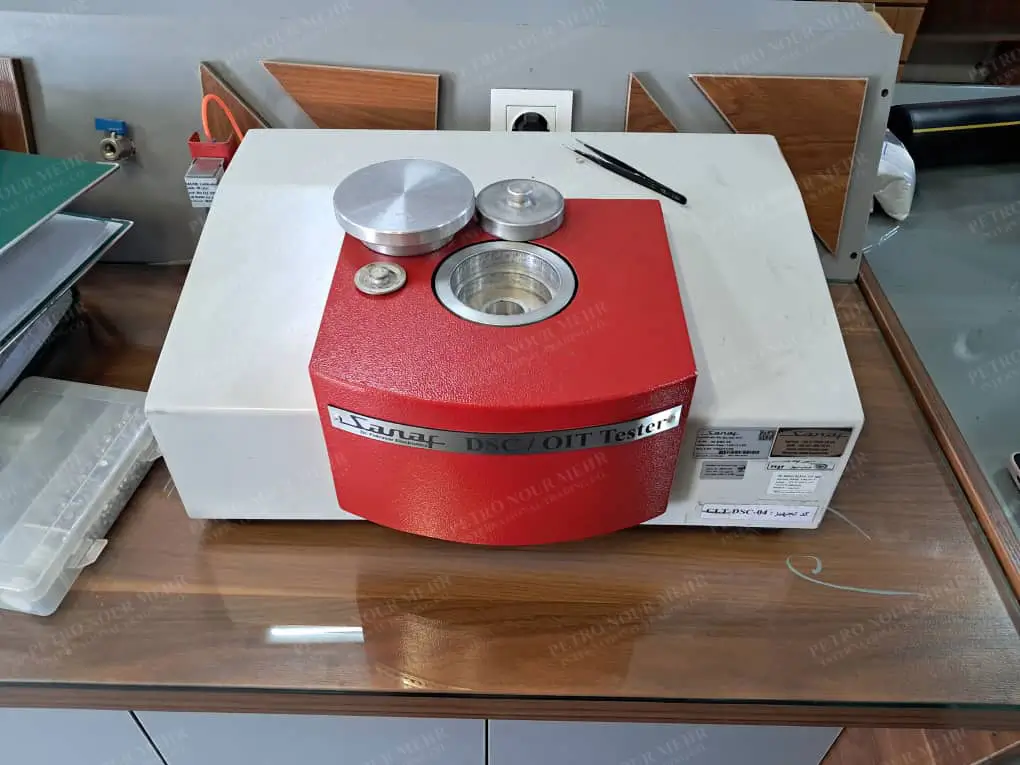
  • DSC Analysis (Differential Scanning Calorimetry): To check the melting temperature and ensure compliance with the provided datasheet.
DSC Analysis (Differential Scanning Calorimetry)
DSC Analysis
  • Melt Flow Index (MFI) Measurement: To evaluate the processability of the polymer and verify it matches the datasheet values.
Melt Flow Index (MFI) Measurement
MFI Analysis
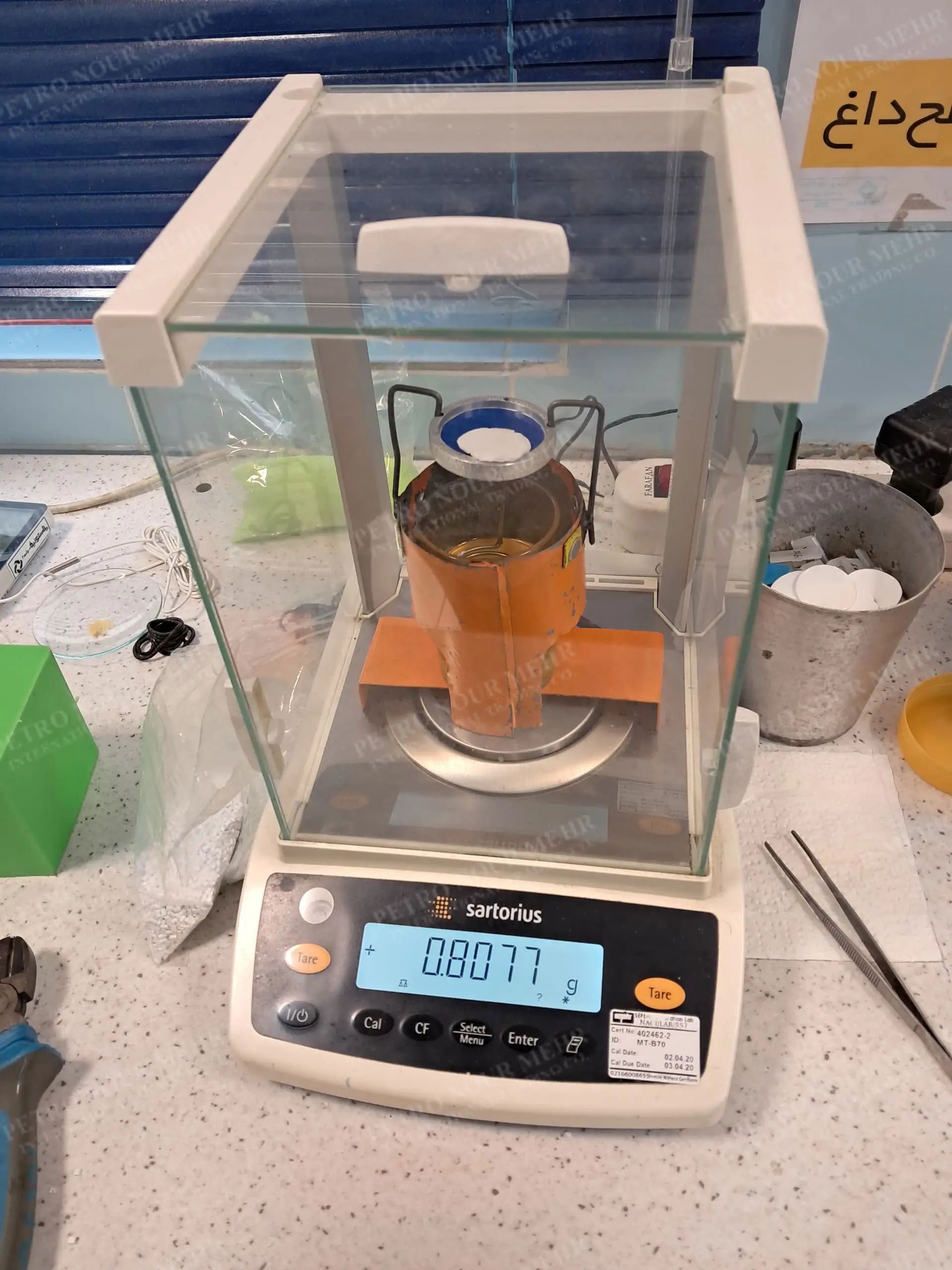
  • Density Measurement: To check the specific gravity of the material and ensure consistency with the datasheet.
Density Analysis

2) In-Process and Post-Production Quality Control Tests

In-process quality control is carried out to maintain product uniformity, reduce waste, and prevent the production of non-conforming materials. Some of the common tests include:

  • Visual Inspection and Compound Uniformity Check: Assessment of color consistency, proper distribution of additives, absence of contaminants, and absence of foreign particles.
  • Extruder and Screw Temperature Monitoring: Continuous monitoring of the extruder temperature to prevent material degradation. Adjusting screw speed and feed rate to ensure product consistency.
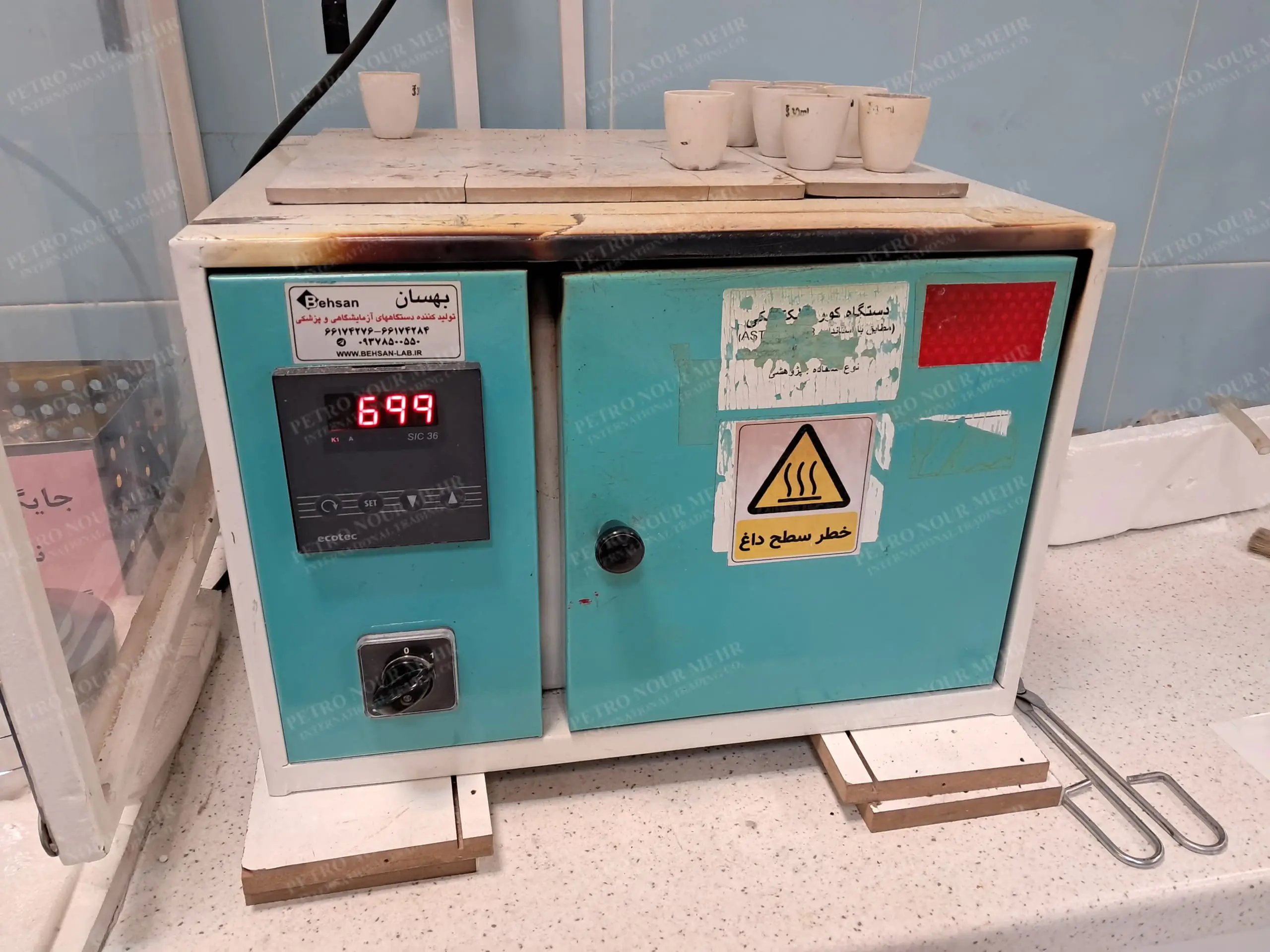
  • Ash Content Analysis: To evaluate the level of inorganic residues and ensure compliance with the datasheet.
Ash Content Analysis
  • Density Measurement: To check the specific gravity of the compound and verify it matches the datasheet.
  • DSC Analysis (Differential Scanning Calorimetry): To verify the melting temperature and ensure compliance with the datasheet.
  • Melt Flow Index (MFI) Measurement: To assess the processability of the compound and check its alignment with the datasheet.
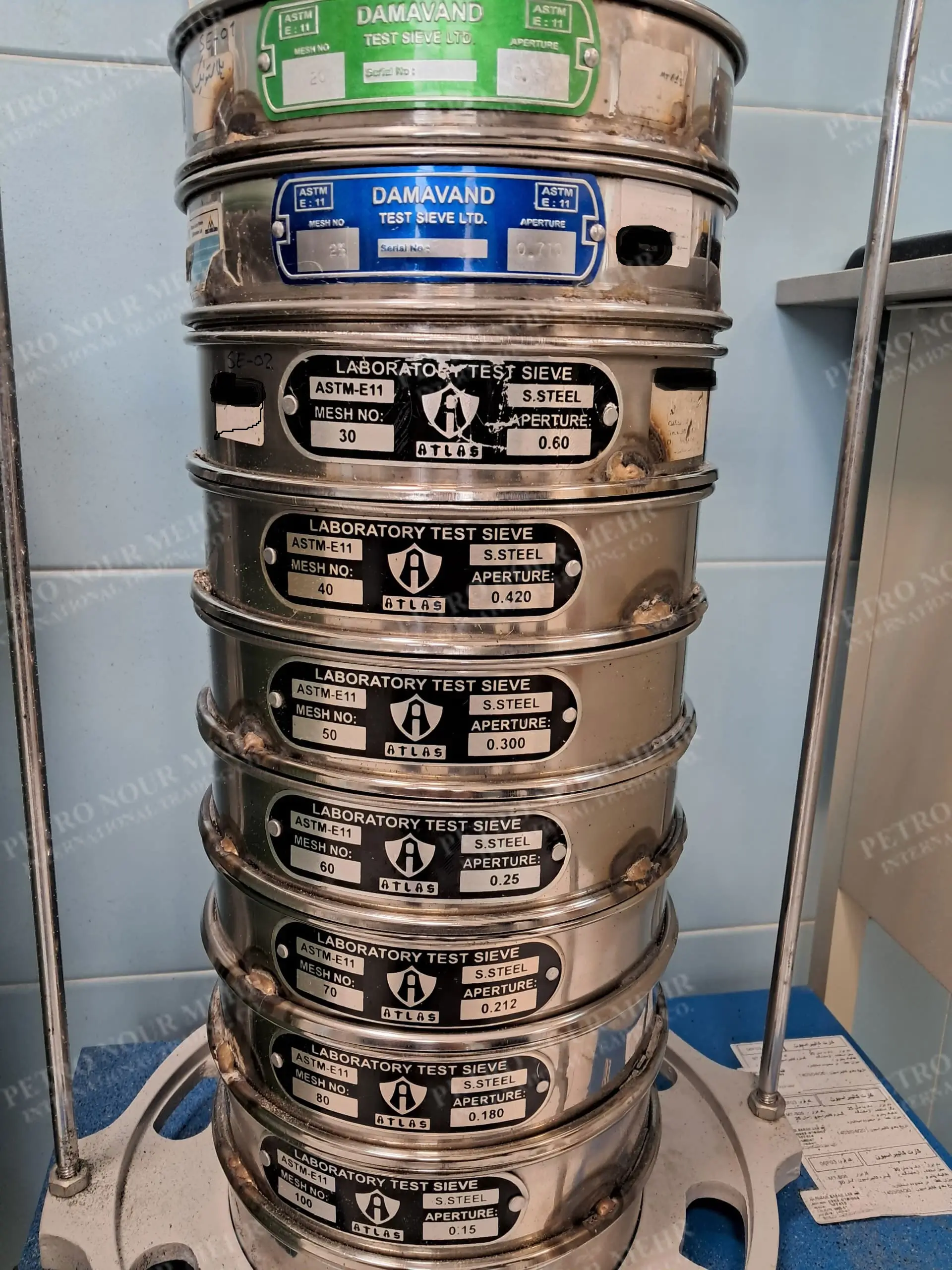
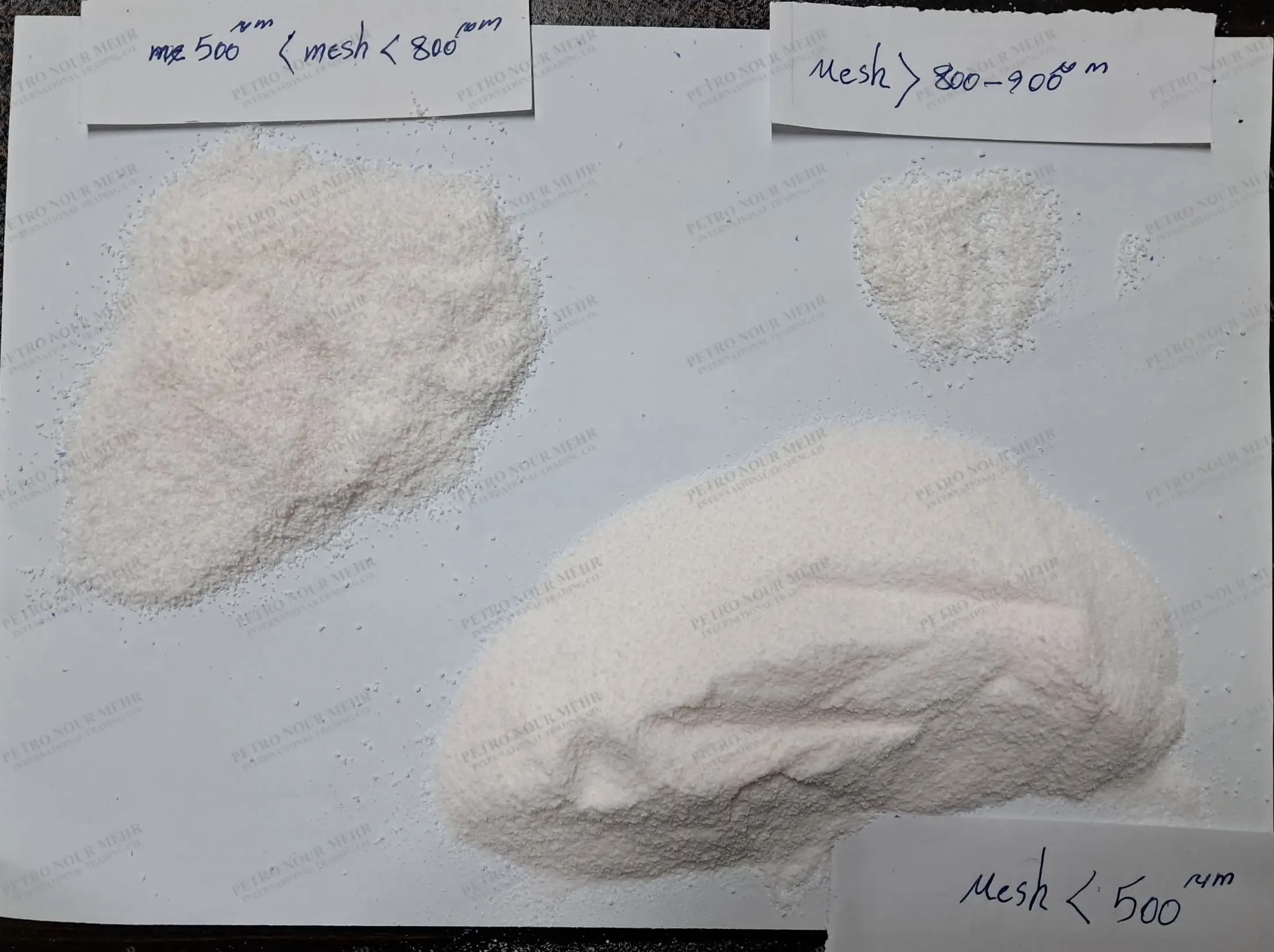
  • Particle Size Distribution Measurement: To evaluate the particle size range of the powder and ensure it conforms to the datasheet requirements.
Particle Size Distribution Measurement
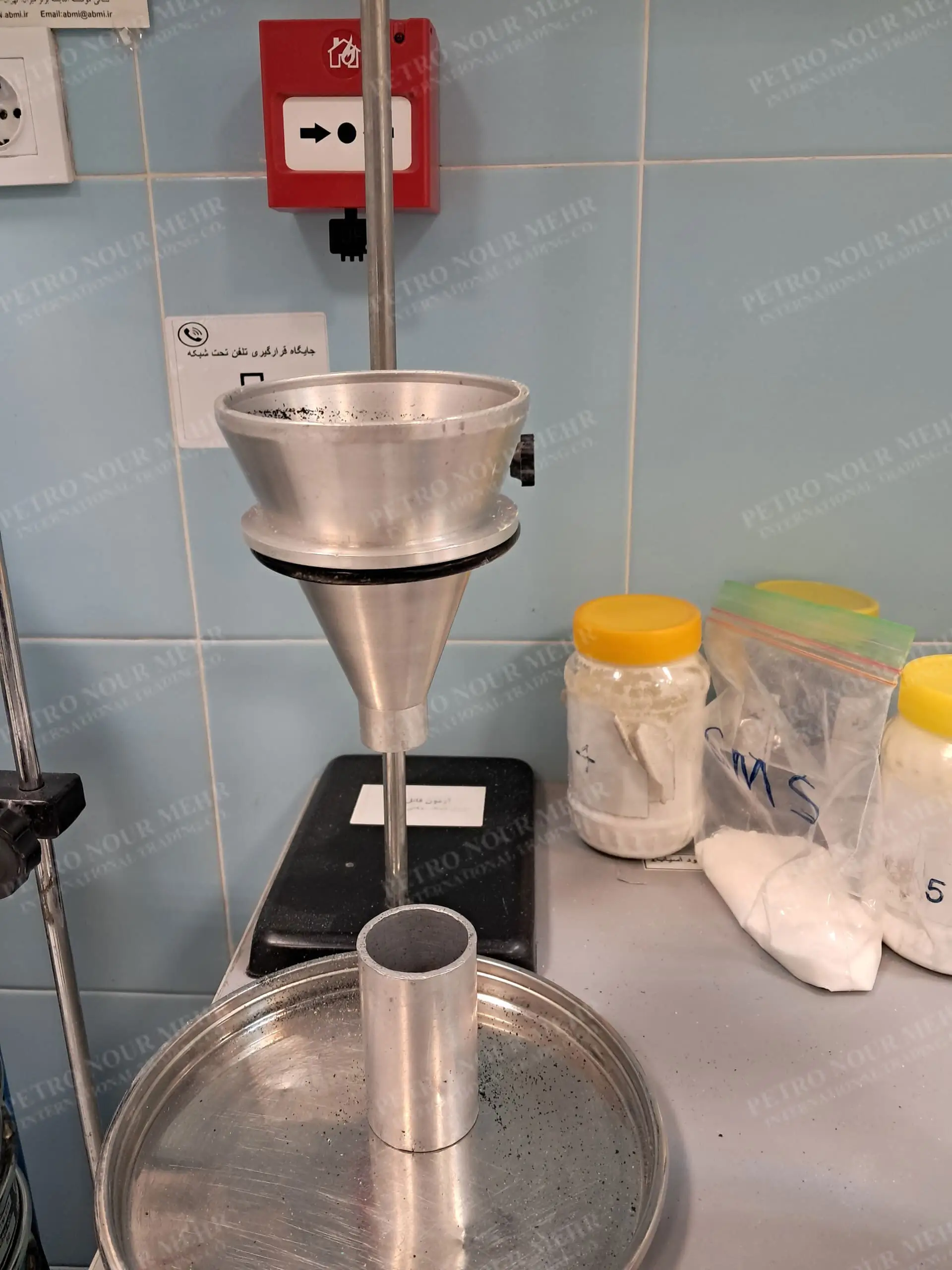
  • Powder Flowability Test: To assess the flow behavior of the powder during the rotational molding process and confirm its compliance with the datasheet.
Powder Flowability Test
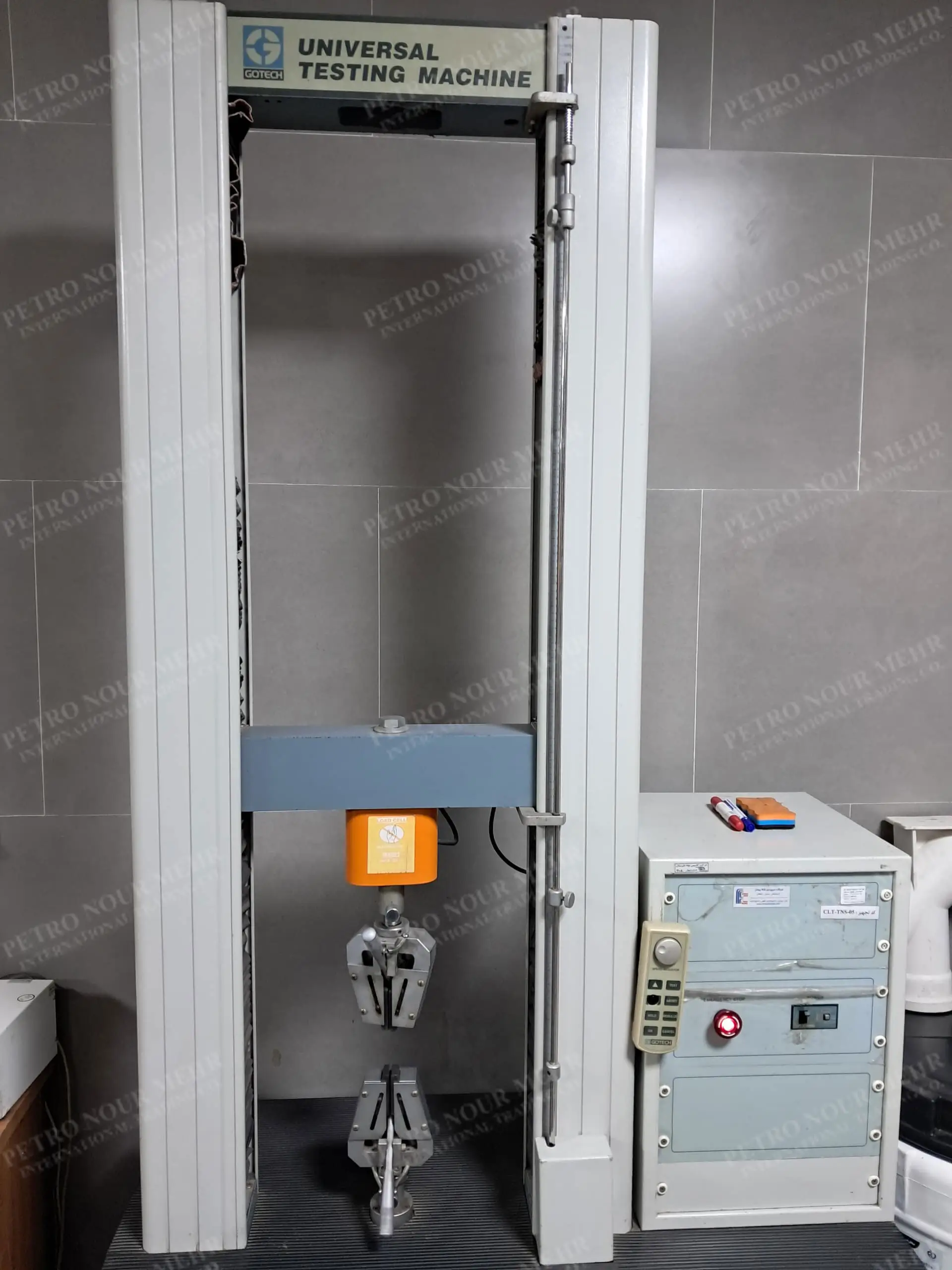
  • Tensile Test: To measure the physical and mechanical properties of the compound and verify compliance with the datasheet.
Tensile Test
  • Sample Tank Production: To ensure the quality and consistency of the produced powder, a sample tank is manufactured based on customer specifications.


3) Final Inspection and Quality Approval

Once all laboratory tests are completed and the compound is confirmed to meet the required specifications, the following final inspections are performed:

  • Verification of Technical Specifications Against Customer Requirements
  • Issuance of Necessary Certificates (COA—Certificate of Analysis)
  • Packaging and Preparation for Shipment


Quality control in the production of polymer compounds involves multiple stages, from raw material testing to in-process monitoring and final laboratory evaluations. Correct implementation of these processes enhances product quality, reduces non-conformance costs, and improves overall customer satisfaction.

Polyethylene Tanks Characteristics

Polyethylene tanks are widely used in many industries and applications due to their characteristics, including corrosion resistance, lightweight nature, and the ability to be produced in various sizes and shapes. Some applications of polyethylene tanks include water storage, chemical storage, storage of petroleum products and fuels, use in plating industries, food and beverage storage, and use in environmental storage tanks for collecting and holding recyclable materials, wastewater, and industrial and municipal waste.

Today, polyethylene tanks are among the most commonly used tanks as a source for storing drinking water. The most widely used grade of polyethylene in Iran is HD-3840UA from Tabriz Petrochemical Company, which is utilized for tank production after adding the necessary additives. In the production of polyethylene tanks using the rotational molding method, powder is used instead of granules, which must first be ground, followed by the molding process.

A critical aspect of manufacturing polyethylene tanks is their algae resistance, meaning that algae should not grow on the surface of the water within the tank, as this would lead to contamination of the water or liquid inside the tank. In three-layer tanks, the absence of sufficient light due to the presence of a dark middle layer prevents algae from growing and multiplying inside the tank.

Using HDPE rotational molding (3840 powder) alone without adding any additives can lead to problems during the rotational molding process, such as the tank sticking to the mold after the molding is complete, heavy dispersion, inadequate curing, etc. The international trading company Petronourmehr can assist you in providing solutions and compounds suitable for roto molding to help supply and deliver high-quality products.

Additives

Additives are typically mixed either during the compounding process or mechanically with HDPE powder prior to the rotary molding process. They provide properties that plastic materials alone do not possess. In the roto molding process, most additives used to enhance properties, similar to other processes, are employed. A wide range of additives is used in roto molding process, with the most important being:

  • Antioxidants
  • UV stabilizers
  • Wetting agents
  • Antistatic agents
  • Foaming agents
  • Antimicrobial additives
  • Flame retardants

In this section, we will examine some of the more significant additives in detail.

  • Wetting Agents

Wetting agents and surfactants are used to assist in the dispersion of pigments. They act by wetting the surface of pigments and providing conditions for their adhesion to the polymer matrix.

  • Antioxidants

Polymers used in rotary molding are subjected to more severe thermal cycles compared to other shaping processes. To maintain properties and extend the processing window, polymers are usually stabilized with antioxidants. These blends are designed to minimize the effects of oxidative attacks, particularly on the internal surfaces of molded parts. Oxidation occurs when an initiator generates a free radical, leading to polymer molecule breakdown (chain scission), followed by cross-linking through free radical combination.

Antioxidants are complex organic compounds, typically a combination of primary and secondary antioxidants, chosen to synergize with UV stabilizers and complement each other. Selecting primary and secondary antioxidants for polymers is a complex process considering the following factors:

  • Solubility or migration
  • Extractability
  • Effects on odor and taste
  • Food and pharmaceutical compliance
  • Impact on color
  • Effectiveness on UV stability
  • Hydrolysis resistance
  • Interaction with other additives such as pigments and fillers
  • Activity during processing
  • Activity during service life

Antioxidants, based on their structure, prevent degradation through various mechanisms. Their categorization is shown in the table below:

Antioxidant Classification

Classification
Primary Antioxidant
Secondary Antioxidant
Multi-functional Antioxidant
Type
Hindered Phenol
Phosphite
Hindered Amine
Function
Melt Process Stability
Long-term Thermal Stability
UV Stability, Long-term Thermal Stability

  • Primary Antioxidants (Chain Breakers)

Primary antioxidants react with oxygen-centered radicals, interrupting the degradation cycle. Also known as radical scavengers, most primary antioxidants used in polyolefins are hindered phenols. They protect polymers during processing, storage, and use, particularly at high operating temperatures.

  • Secondary Antioxidants (Inhibitors)

Secondary antioxidants react with formed hydroperoxides during degradation reactions to produce non-radical, inert products. These are known as hydroperoxide decomposers and exhibit synergistic effects when combined with primary antioxidants. Hydrolysis-resistant phosphites can protect both the polymer and the primary antioxidant during processing.

  • UV Stabilizers

UV stabilizers and UV absorbers protect polymers against sunlight and certain types of fluorescent light. Although fluorescent light does not contain high-energy UV rays, it has spectra close to UV light that can cause degradation. Since it lacks UV rays, conventional absorbers are ineffective.
It is important to note that antioxidants and UV absorbers only protect the polymer, not the colorant. Without stabilization, polymers exposed to UV rays degrade rapidly. UV-induced degradation begins at the outer surface and progresses through the wall thickness of the part. Thus, thicker parts exhibit greater resistance to long-term degradation compared to thinner ones.

The types of UV stabilizers used for polymeric materials include:

  • Absorbers: These are compounds that, compared to the polymer structure, have a greater tendency to absorb UV radiation and protect the polymer by dissipating it, typically as heat. Hydroxybenzophenones or benzotriazoles are two examples in this category. These compounds are suitable for polyethylene as they do not affect the color, disperse easily, and are cost-effective. Benzophenones have good thermal stability during processing but may lose some material due to volatility. Benzotriazoles typically have lower volatility, making them suitable for higher processing temperatures.
  • Screeners: This group reflects UV radiation, preventing it from penetrating beneath the polymer surface. Carbon black, when used at a loading of 2%, acts as an effective screener.
  • Quenchers: The mechanism of action for quenchers is not fully understood, but it is based on scavenging free radicals generated by UV energy as soon as they are produced. These UV stabilizers are hindered amines.
masterbatch used for rotomolding
Some of the additives and masterbatch used for rotomolding
  • Antistatic Agents

Internal antistatic agents are divided into two groups: process antistatics and post-molding antistatics. Process antistatics reduce the swirling movement of color particles in rotationally molded parts colored using the dry blending method. This swirling is caused by static charge generated during mixing, grinding, pulverization, or pouring powder into the mold. The static charge creates a positive charge in the powder and a negative charge in the mold. Adding pigments and additives changes the amount and type of charge. For instance, zinc stearate increases the intensity of swirling. Swirling of color is more common in low-humidity environments.

Process antistatics are typically used in very low percentages (0.04–0.07%) and do not provide antistatic properties to the final parts.

Post-molding  antistatics are compounded with polymers in higher ratios (0.2–0.5%) and are usually effective for only a few months. These additives migrate slowly to the surface of the part and show no significant effect for up to 24 hours. Over time, they may bring pigments to the surface, causing color bleeding. The lifespan of the antistatic effect depends on the type and amount of the agent, as well as the surrounding environment.

Short-term external antistatic effects can be applied to the part’s surface by rubbing or spraying, offering protection during handling and shipping. The best way to achieve long-term antistatic properties for polymers is by using semi-conductive additives.

Antistatic masterbatch used for rotational molding
  • Foaming Agents

Foaming agents are added to polymers in powder or liquid form, or as part of dry color or liquid color. Adding a foaming agent during compounding is challenging because the foaming agent tends to expand due to heat during compounding (extrusion). The best approach is to use a foaming agent along with a nucleating agent. Nucleating agents help maintain uniformity in the process of forming fine bubbles. Some pigments act as nucleating agents. Parts produced using foaming agents are highly popular because they can serve as thermal insulators, improve the part’s buoyancy, and increase the size of the final product by reducing shrinkage and increasing wall thickness.

Foaming agent masterbatch used for rotational molding
  • Flame Retardants

Flame retardants are used to modify the performance of polymers when exposed to flames and prevent the spread of fire. These additives are typically highly filled polyethylene with a very high specific density. Their application usually reduces the impact resistance of the part.


  • Antimicrobial Additives

Four types of micro-organisms attack plastics: bacteria, algae, actinomycetes (ray fungi), and fungi.

  • Bacteria are classified as gram-positive and gram-negative, with gram-negative bacteria being harder to kill.
  • Among the mentioned microorganisms, fungi have the most destructive effects. Fungi adapt better to different conditions compared to bacteria and can grow in humid climates at temperatures of 21–38°C.
  • Actinomycetes, with sizes between bacteria and fungi, make up 30–40% of soil microorganisms and produce stable pink pigments as a byproduct.
  • Algae require temperatures of 10–24°C, sunlight, mineral salts, carbon, and water to grow. While less stable than bacteria and fungi, algae can remain dormant on polyethylene surfaces and revive when exposed to water again.


Microorganisms can degrade plastic parts both structurally and aesthetically. For instance, in PVC, structural degradation can occur through the alteration of plasticizers in the part by microbial metabolism. Aesthetic degradation often results from attacks on lubricants and processing aids rather than the base polymer. Microbial attacks cause odor and discoloration in parts but typically do not harm the structural integrity of the part. Discoloration is due to the stable byproducts excreted by the microbes’ metabolic system.

Antimicrobial additives are used to prevent microorganisms from attacking the carbon structure of plastics such as polyethylene and PVC. Mixing the polymer with an antimicrobial agent at a ratio of 0.6–1% during compounding can increase resistance to all four types of microorganisms mentioned.

Antimicrobial masterbatch used for rotary molding
Roto molding process:

Generally, the following are the steps involved in the production of polyethylene tanks:

  • Design and Preparation of the Mold:

   – Determine the specifications of the tank, including size, shape, capacity, and any specific requirements.

   – Design the mold or tooling needed for the manufacturing process, considering factors such as wall thickness, part geometry, and molding considerations.

   – Prepare the mold by cleaning and ensuring proper ventilation.

  • Selection and Preparation of Materials:

   – Choose the appropriate polyethylene resin based on desired properties, application requirements, and processing method.

   – Prepare the resin by drying it if necessary and mixing it with additives such as stabilizers, colors, and UV protectors to enhance performance and appearance.

   – The polyethylene 3840 granules are fully powdered using a grinder. If colored or three- or multi-layer tanks are needed, polyethylene must be mixed with approved food-grade colors such as TiO2. Titanium dioxide is a food-grade color with antibacterial properties used as a white pigment in this industry.

  • Production Process:

   To manufacture a polyethylene tank, first, the high density polyethylene powder is poured into the mold along with the approved food-grade color, and the mold is heated in the oven at the appropriate time and temperature. The mold rotates during heating so that the HDPE powder melts evenly and takes the shape of the mold. Finally, the rotation continues while cooling the mold to maintain the shape of the produced product until it cools and hardens.

One important aspect of rotary molding is achieving uniform wall thickness. Modern machines with multiple arms can use different molds while ensuring consistent wall thickness through appropriate process control and mold design. This results in consistent thickness throughout the walls of the tank, unlike other methods that may have discrepancies. Ultimately, quality control tests such as tensile strength, mechanical impact, and thickness control are conducted on the tank to ensure the final product meets market standards.

Typically, an ultrasonic thickness gauge is used to measure the thickness of the products. The thickness of various parts of the product, including walls and bases, is measured using this device, which is accurately controlled based on ASTM standard criteria.
The impact test is conducted based on the aforementioned standard by cutting a sample of the produced product and cooling it to -36 degrees Celsius for at least 30 minutes. It is then tested using a dart drop device. If the sample breaks or punctures due to the applied impact, that product does not meet the necessary quality for sale and is deemed rejected.

Rotational molding schematic
The impact of 3840 powder particles size on the rotational molding process:

One of the most critical aspects of the rotary molding process is the particle size distribution. If the particle size is too large, it can lead to incomplete curing, prolonged molding cycle times, and a rough surface on the finished product. Conversely, very fine particles melt quickly, may not properly conform to the mold shape, and increase the likelihood of polymer degradation. For this reason, a particle size distribution of 500 microns or 35 mesh is typically considered the optimal size. Below, we will discuss the key parameters that influence particle size distribution and its impact on the rotary molding process:

  • Flowability and Uniformity:
    • Smaller particles: Provide better flowability and distribution within the mold, ensuring a more uniform wall thickness. However, they may increase the risk of overheating and sticking to the mold if not properly controlled.
    • Larger particles: May lead to uneven material distribution, resulting in variations in thickness and quality.
  • Melting and Fusion:
    • Finer powders: Melt and fuse more quickly, promoting better surface finish and reducing the likelihood of voids or defects.
    • Coarser powders: Require longer heating cycles, potentially leading to incomplete fusion and weaker mechanical properties.
  • Cycle Time:
    • Smaller particle sizes can shorten the heating and cooling cycle, enhancing productivity.
    • Larger particle sizes might extend cycle times, impacting efficiency.
  • Surface Finish:
    • Finer particles generally result in smoother surface finishes, which is often desirable for aesthetic and functional purposes.
  • Powder Handling:
    • Finer powders may create more dust, posing challenges in handling and increasing the risk of contamination or static buildup.

In summary, selecting the appropriate particle size for polyethylene rotational molding powder (HDPE 3840 powder) is essential to balance process efficiency, product quality, and operational considerations in rotational molding process.

Optimal Particle Size Distribution for the Rotational Molding Process

Optimal Particle Size Distribution for the Rotational Molding Process

Working Methods for Measuring Internal Mold Temperature in Rotational Molding process:

Thermocouples

  • A thermocouple is placed inside the mold.
  • It measures the temperature based on the voltage generated by the temperature gradient between two different metals.
  • The data is transmitted to a recording device, providing real-time temperature monitoring.

Wireless Sensors

  • Wireless temperature sensors, such as RTDs or thermocouples equipped with transmitters, are installed inside the mold.
  • These sensors send temperature data wirelessly to a receiver or control system.
  • This eliminates the need for cables, allowing more flexibility and reducing potential interference caused by rotational movement.


Infrared (IR) Sensors

  • IR sensors are mounted externally and aimed at the mold’s interior or a specific spot on the polymer material through a viewport.
  • They detect the thermal radiation emitted by the material and convert it into temperature data.
  • This method is non-contact, making it ideal for molds in constant rotation.

Thermal Imaging Cameras

  • A thermal camera is positioned to capture the surface temperature of the mold or the polymer within.
  • It generates a thermal map showing temperature variations, which helps evaluate the uniformity of heat distribution.

These techniques are employed based on the specific requirements of the roto molding process, material properties, and available technology in the production setup.

Adhesion in rotational molding process:

In roto molding process, adhesion between the mold and the polymer product is a common challenge, which can lead to defects, difficulty in demolding, and a compromised product surface. To address this, release agents such as powder-based or liquid coatings (solvent-based or water-based) are applied. Here’s an in-depth explanation:

Why Does Adhesion Occur?
  • High Temperatures: Elevated processing temperatures can soften the polymer and enhance its adhesion to the mold surface.
  • Surface Roughness: Imperfections or roughness on the mold surface increase the chances of sticking.
  • Polymer Type: Certain polymers (e.g., polyethylene) are more prone to adhere due to their inherent characteristics.
  • Lack of Release Agent: Inadequate or absent surface coatings fail to prevent direct contact between the mold and polymer.
 
Additives and material to avoid adhesion

One of the key factors in the roto molding process is the use of an appropriate and compatible release agent (or mold coating) with the polymer base being processed. Release agents act as a barrier between the polymer and the inner surface of the mold, preventing the product from sticking to the mold and facilitating its removal at the end of the molding process.

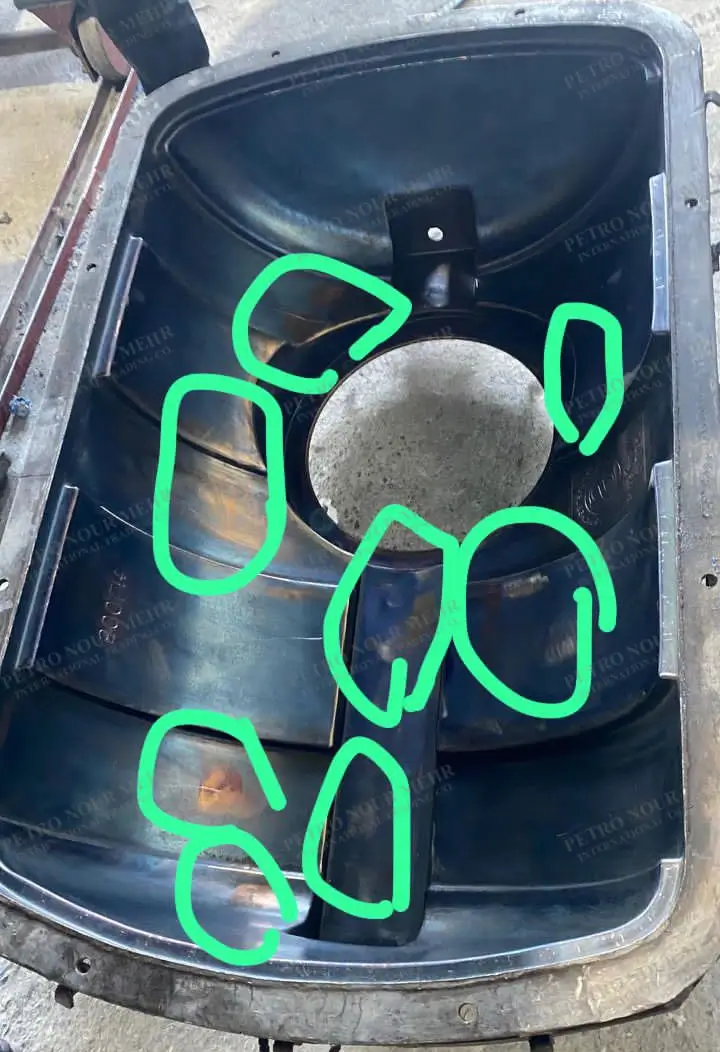
It’s important to note that release agents typically have a heat tolerance range of 190 to 200 degrees Celsius. When the mold temperature exceeds this range, the lifespan of the release agent and the number of molding cycles decrease. As a result, the release agent needs to be reapplied more frequently, leading to reduced production efficiency and increased overhead costs.

At higher molding temperatures, in addition to reducing the lifespan of the release agent, it may degrade, adhering to the product’s surface. This not only results in an undesirable appearance but also diminishes the product’s quality.

A mold with areas where the release agent has worn off (highlighted with green circles)
  • Powder-Based Release Agents
  • Functionality: Create a thin, dry layer on the mold surface that acts as a physical barrier, reducing adhesion.
  • Application:
    • Sprinkled or sprayed evenly onto the mold before the molding process.
  • Advantages:
    • Simple to apply.
    • Effective for high-temperature processes.
  • Considerations:
    • Can leave residue on the product, requiring post-cleaning.
Release agent powder
  • Liquid Release Coatings
    • Solvent-Based Coatings
  • Mechanism: Solvent-based coatings evaporate to leave a durable layer that prevents adhesion.
  • Application:
    • Applied via spray or brush.
    • Requires proper ventilation due to volatile organic compounds (VOCs).
  • Advantages:
    • High durability and thermal resistance.
    • Suitable for complex mold geometries.
  • Disadvantages:
    • Environmental concerns due to solvent emissions.
    • Requires safety measures for handling.
  • Water-Based Coatings
  • Mechanism: Water acts as the carrier, which evaporates to deposit a protective layer.
  • Application:
    • Applied similarly to solvent-based coatings but safer due to lower emissions.
  • Advantages:
    • Eco-friendly.
    • Safer for workers and the environment.
    • Excellent for molds with frequent demolding cycles.
  • Disadvantages:
    • Longer drying time compared to solvent-based coatings.
    • Requires controlled conditions for proper drying.
On the left is solvent base polish and on the right is water base polish

Steps for Applying Release Agents

  • Mold Preparation:
    • Clean the mold to remove debris, grease, or residues.
  • Application:
    • Apply the release agent uniformly across the mold surface using a spray, brush, or roller.
    • Ensure complete coverage, especially in corners and edges.
  • Drying and Curing:
    • Allow sufficient time for the solvent or water to evaporate.
    • Ensure the coating forms a continuous, thin film.
  • Reapplication:
    • Reapply the release agent after each production cycle if necessary.
How to buy HDPE 3840 Compound
  • Choose a Reputable Supplier: Select a supplier who is reputable and holds the necessary certifications to guarantee the quality of HDPE 3840 Compound.
  • Compare Prices: Review and compare prices from different suppliers and check them against global market rates to ensure competitive pricing.
  • Review Sales Conditions: Assess the sales conditions, including order quantity, delivery time, packaging methods, transportation options, and payment terms, to ensure they align with your needs.
  • Understand Import Regulations: If importing HDPE 3840 Compound from abroad, familiarize yourself with customs and legal regulations to ensure compliance with export and import laws.
  • Contact Petro Nour Mehr Company: Reach out to Petro Nour Mehr Company for the best export price tailored to your specific conditions and requirements.
  • Place Your Order: Once terms have been reviewed and agreed upon, sign the contract and place your order with the supplier.
  • Payment Methods: Petro Nour Mehr will offer secure and suitable payment options based on your preferences.
  • Transportation Arrangement: Coordinate with the supplier to choose and arrange a transportation company for loading and delivery of the compound.
  • Customs Documentation: Petro Nour Mehr Company will provide all necessary documents for customs clearance at the destination city.

By following these steps, you can ensure a smooth and efficient ordering process for HDPE 3840 Compound.